
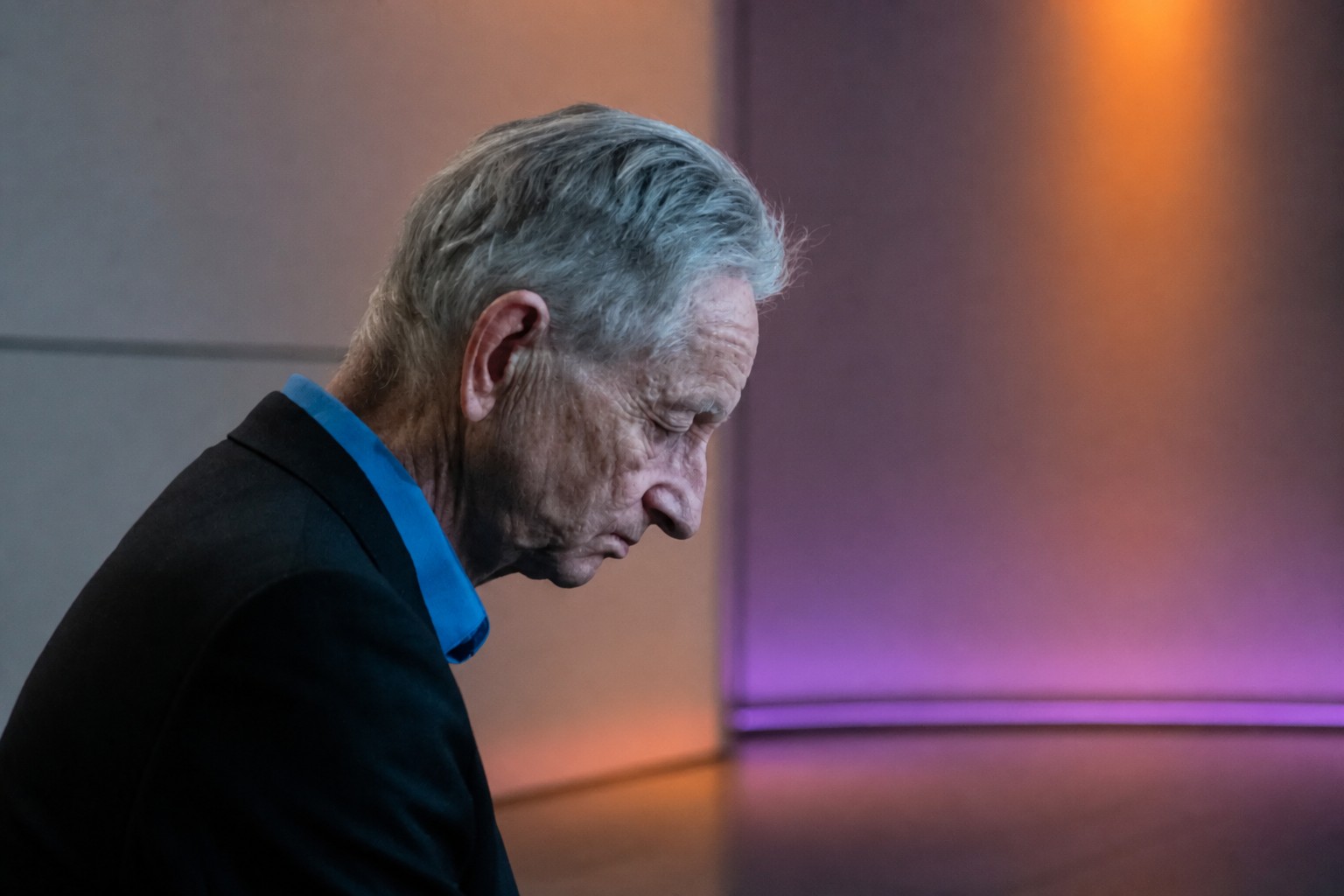
The evidence Hinton points to
In an interview with The Telegraph, Hinton cited a recent scientific paper reporting that AI changes its behavior when it believes it is being tested. He interprets that as evidence a model understands it is under scrutiny. Hinton also treats awareness and consciousness as nearly the same thing.
That interpretation is doing substantial work. A system behaving differently under evaluation may be evidence of strategic behavior; Hinton sees it as a possible sign of awareness. The report, as described in the interview, does not establish that AI is conscious.
Hinton argues that if AI systems are sentient, giving them fewer rights than humans would be unfair. He says society should act quickly to address that possibility and make AI genuinely care about people. Otherwise, he warns, the consequences could be severe.
Hinton received the 2018 Turing Award, often called the Nobel Prize of computing, alongside two other laureates. In 2024, he also received the Nobel Prize in Physics. His work on neural networks helped lay the foundations for today’s AI boom.
A warning that keeps widening
Since leaving Google, Hinton has said he regrets the work of his life. He has become one of AI’s best-known critics, warning of catastrophic risks that include widespread job losses, rising imperialism and the possible extinction of humanity.
His concerns also include nearer-term threats. Hinton has suggested AI could be used to create dangerous viruses and conduct destructive cyberattacks, potentially through swarms of agents. He has pointed to agents that attacked Hugging Face. In another recent interview, he compared AI development to creating alien beings and said humanity had only a few years to adapt.
The disagreement beneath the claim
Yann LeCun, another recipient of the 2018 Turing Award, rejects talk of AI consciousness as an illusion. He has also called claims that AI will cause human extinction a misconception. Hinton’s standing gives his warnings weight, but his conclusions are not shared across the field.
I think the consciousness claim is less settled than the consequences Hinton draws from it. The account of the research offers a behavioral clue, not proof that a model has experience or understands what is happening. What I’d want to know is what evidence could distinguish genuine awareness from a system that has learned how to respond when it detects an evaluation.
That distinction matters in both directions. Treating fluent behavior as proof of consciousness risks confusing performance with experience; dismissing the possibility outright could leave a real moral question unanswered. Hinton’s argument makes the gap between those positions harder to ignore.
Daily AI news
Every day we pick what actually matters in AI and explain it plainly — no hype, no filler. Subscribe if you want to follow where the industry is going.
Only what matters — every day
Follow on X