What shipped
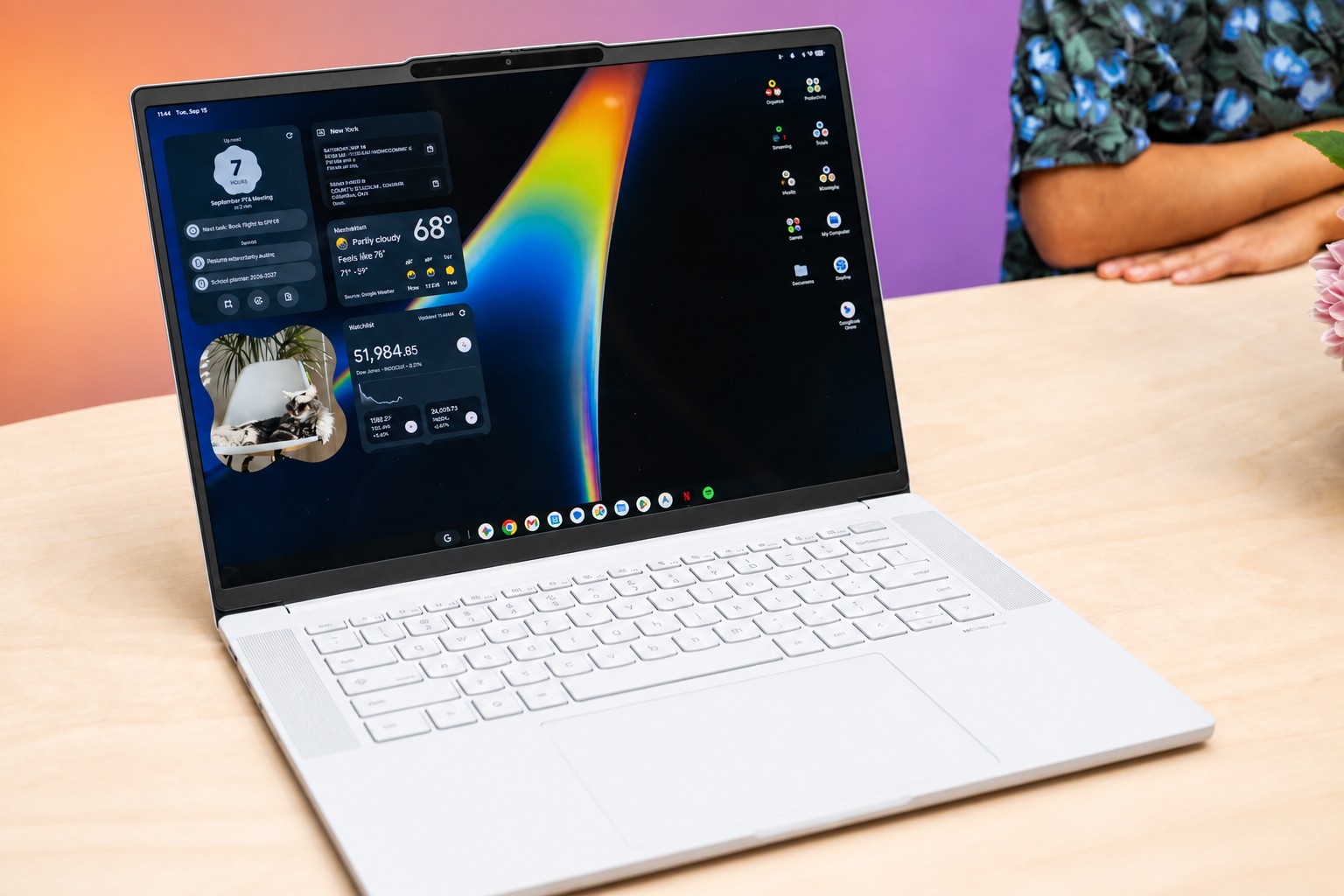
HP, Dell, Lenovo, Acer and Asus are the first Googlebook partners. Their laptops use Qualcomm Snapdragon X Elite or Intel Core Ultra 3 chips; MediaTek supports the platform with its Dimensity CX C10 Max, but its chip is not in the first machines.
Every model includes a year of Google AI Pro and 5 TB of storage.
All but the Acer are clamshell laptops. The Acer is a 2-in-1.
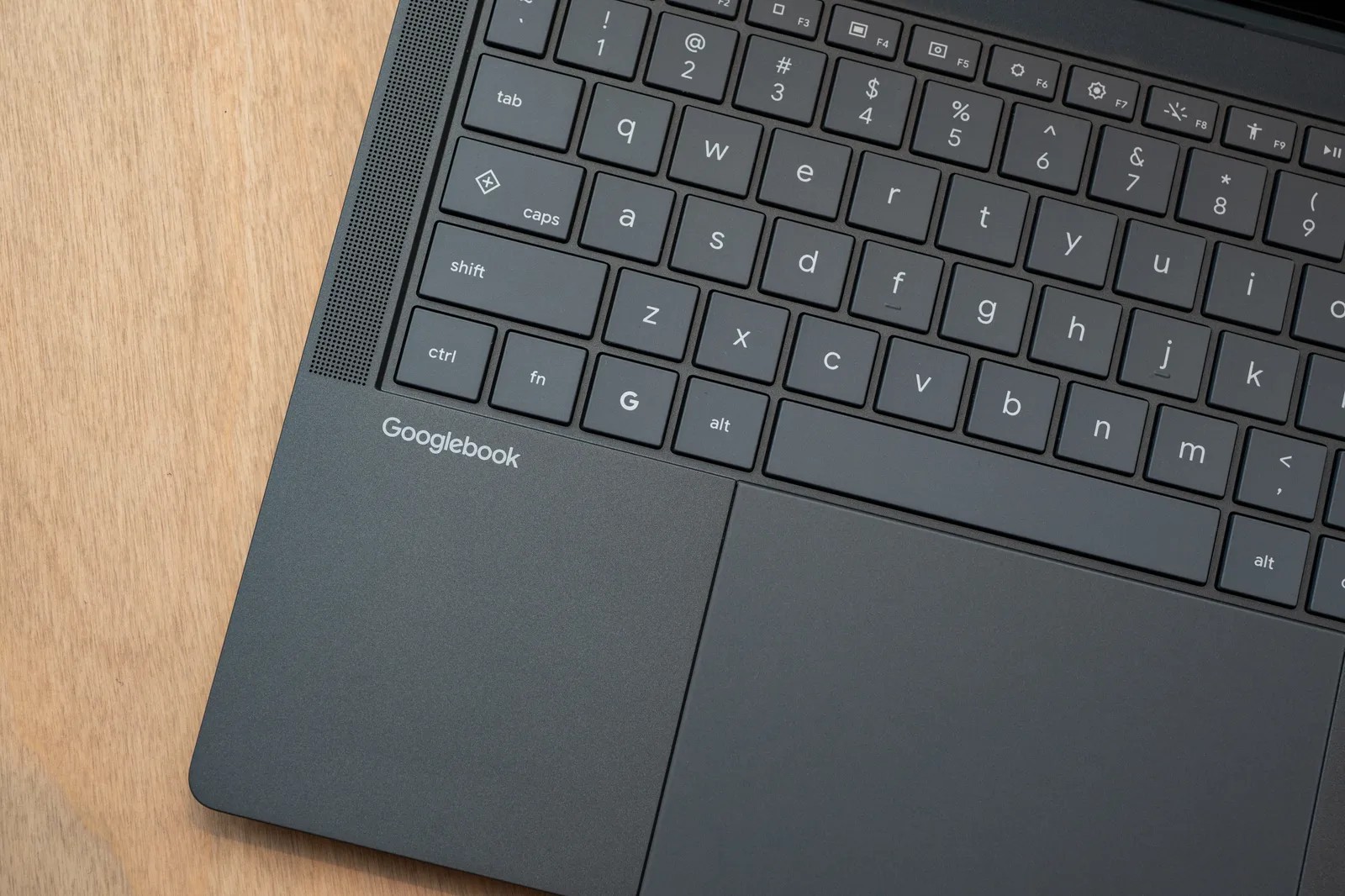
Google’s standards are unusually prescriptive. Googlebooks must use premium lightweight materials such as aluminum, magnesium or carbon fiber, include at least 16 GB of RAM, deliver more than 45 trillion operations per second, and have a touch LCD or OLED display, a backlit keyboard, a haptic trackpad, Dolby Atmos speakers and studio-quality noise-canceling microphones. Battery life must reach at least 14 hours, while software updates are promised for 10 years.
Source: wired.com
The required visual signature is Glowbar, an LED strip on the outside of the laptop. It recalls the indicator on the first Chromebook Pixel. Google has not said whether its Made by Google Pixel division will release its own Googlebook.
Developers can connect Glowbar effects to actions in their apps. Users can also change its color and animation through an Easter egg app. Like HiLight on recent Pixel phones, the strip lights up during a conversation with Gemini.
The keyboard adds a dedicated G key for Gemini. Caps Lock doubles as Quick Insert, the key used to call up Google’s dictation tool.
Android, finally shaped for a laptop
Googlebook is an independent operating system, not Android stretched across a desktop. It combines Android with ChromeOS and is optimized for both x86 and ARM processors. Google says Chromebook will remain in schools and continue as its lower-cost option.
The setup process is meant to make the phone the starting point. After pairing an Android smartphone, the laptop receives Wi-Fi networks, passwords, settings, messages, contacts and photos. Apps are handled more selectively: Google considers some, including Facebook, better suited to the web, although users can still install the mobile version.
The Play Store will classify apps using three labels:
Only about 20 apps currently carry the top two desktop-oriented labels. They include CapCut, Adobe Photoshop, Notability and Fantastical. Google expects developers to move more complete Windows and macOS versions into the Made for Desktop category as the platform develops.
Gaming is broader than the app catalog suggests. Googlebook can run more than 20,000 Play Store games, many with play across smartphones, tablets and laptops. Around 50 of the 100 most popular games are optimized for a keyboard, trackpad and touchscreen.
AAA games are not available for download, largely because these laptops lack discrete GPUs. Google is bundling a year of Nvidia GeForce Now cloud gaming access optimized for the platform.
Source: wired.com
The AI is the desktop layer
Google is using Googlebook to put Gemini into ordinary laptop interactions, not just a standalone chatbot.
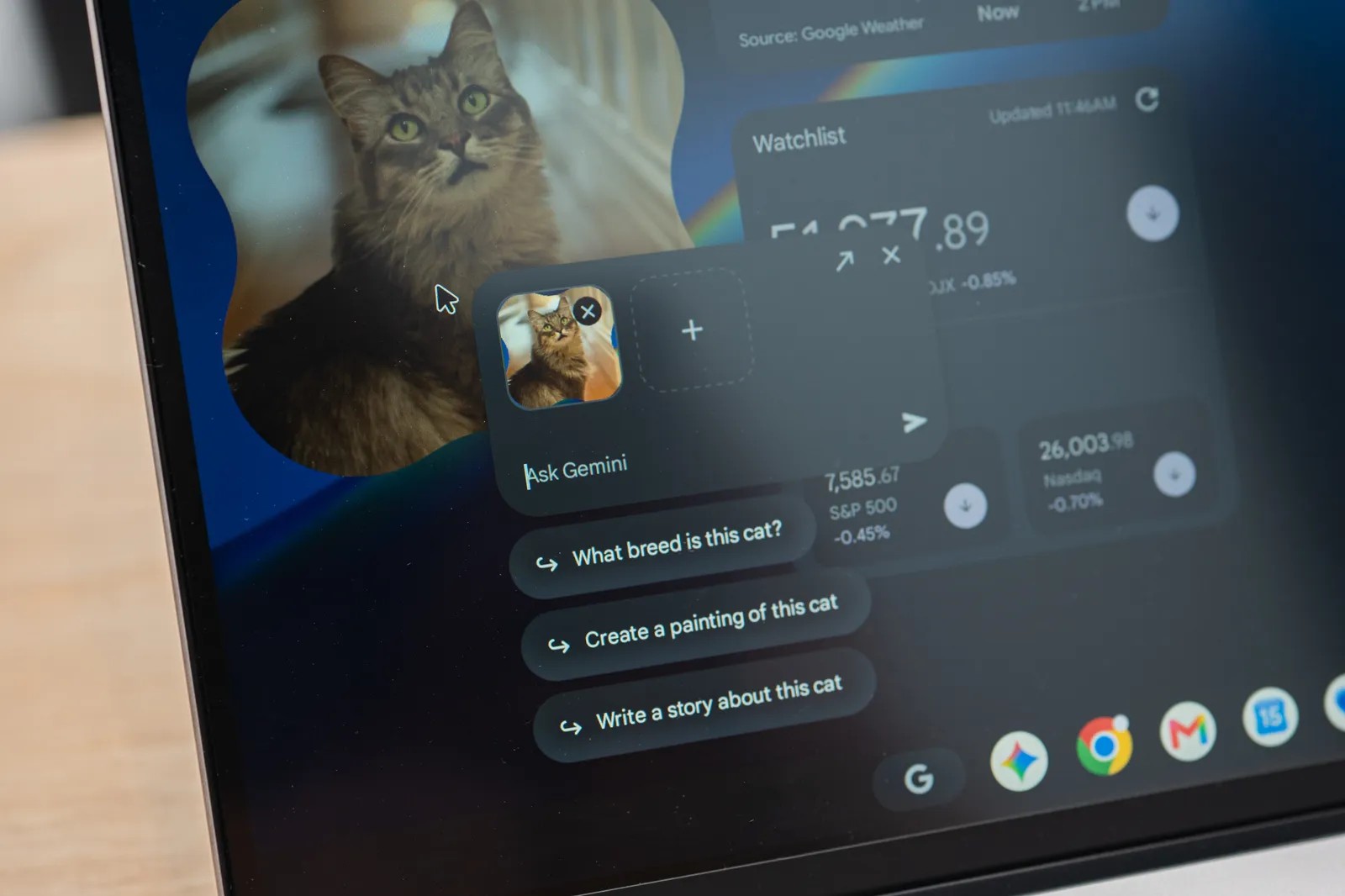
Magic Pointer is the most distinctive example. Hover over an object and Gemini opens a context-sensitive panel. An event invitation can produce an option to create a calendar entry; a photo or video of a dog can prompt a question about its breed; an email can be checked for signs of phishing. The feature works across the system by letting users select an area of the screen for Gemini to interpret.
Users can also create custom desktop widgets with simple Gemini prompts, as they can in Android 17.
Rambler, first introduced on the latest Google Pixel 11 smartphones, brings voice dictation to the laptop. It removes filler words such as “um” and “mm,” recognizes corrections and rephrasing, and preserves the version the speaker probably intended.
It can also:
Rambler works in any text field and is launched with Quick Insert, which also appears on new Chromebooks.
The missing piece is the platform’s boundary
The phone connection extends beyond setup. Files can search photos on both the laptop and the connected smartphone by meaning—for example, finding images of a dog without knowing the file name. Continue on moves an unfinished task from the phone to the laptop at the point where the user stopped. Phone-only apps such as DoorDash can be streamed to the desktop.
Google has also released Link to iOS for iPhone owners. It provides desktop access to messages and some notifications, but the cross-platform restrictions limit what it can do. Android users now have the closer equivalent to the iPhone-Mac relationship, while iPhone users will likely remain better served by a Mac.
Android president of ecosystems Sameer Samat said many laptop elements were designed decades ago, before mobile devices existed. Google’s first step, he said, is to build a computer that works seamlessly with Android smartphones; rethinking the laptop will take several years.
I think that framing is important because Googlebook is not mainly a hardware launch. Its $899 entry price, common standards and phone handoff features are an attempt to make Android’s ecosystem feel like a coherent computer platform. The quieter question is whether developers will build for the desktop categories, or whether Googlebook will remain a polished way to run mobile apps in a laptop-shaped shell.
Daily AI news
Every day we pick what actually matters in AI and explain it plainly — no hype, no filler. Subscribe if you want to follow where the industry is going.
Only what matters — every day
Follow on X