

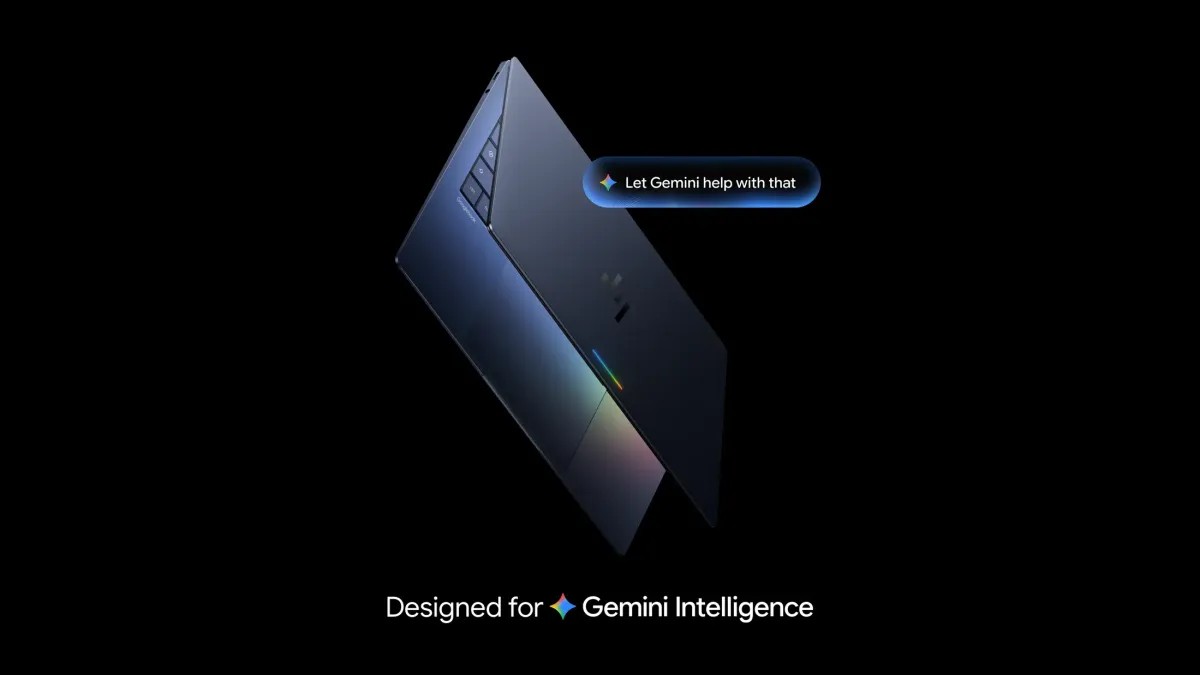
Source: techcrunch.com
What ships with Googlebook
Google’s central interface idea is Magic Cursor, an AI pointer that connects selected on-screen content to Gemini. Users can:
The approach resembles Circle to Search on Android, where users circle, highlight or tap an object to connect it with Google Search and its AI features. That makes the interaction familiar, but Circle to Search did not produce a mass shift to Android.
My read is that Magic Cursor is unlikely to carry the product. AI agents already perform tasks on computers and in browsers, so selecting context with a pointer feels more like a useful shortcut than a decisive reason to replace a laptop.
Rambler is more practical. It turns a stream of disconnected thoughts into readable text, addressing a specific everyday problem. But it still looks like a convenience feature, not a reason to buy a new device. Voice-created widgets are similarly modest additions, while Gemini Spark and Gemini Live do not require new hardware.
Google’s bigger bet is schools
The more consequential plan is aimed at the K–12 market. Google says schools use about 50 million Chromebook devices, and the company wants to move students and teachers toward Gemini while taking a larger share of that market.
In May, Google told TechCrunch that it would continue supporting current Chromebook devices. Many of them may eventually move to the Googlebook way of working, but the announcement leaves the transition path unclear.
What I’d want to know is whether Googlebook creates enough value to change school purchasing decisions, rather than simply adding Gemini to machines schools already own. The education strategy gives the product a more durable purpose than its consumer AI features do: Google may be building a replacement path for Chromebook, not just selling another premium laptop.
The $899 package
For $899, buyers get 12 months of Google AI Pro, including:
Google says the devices will receive regular updates for up to 10 years.
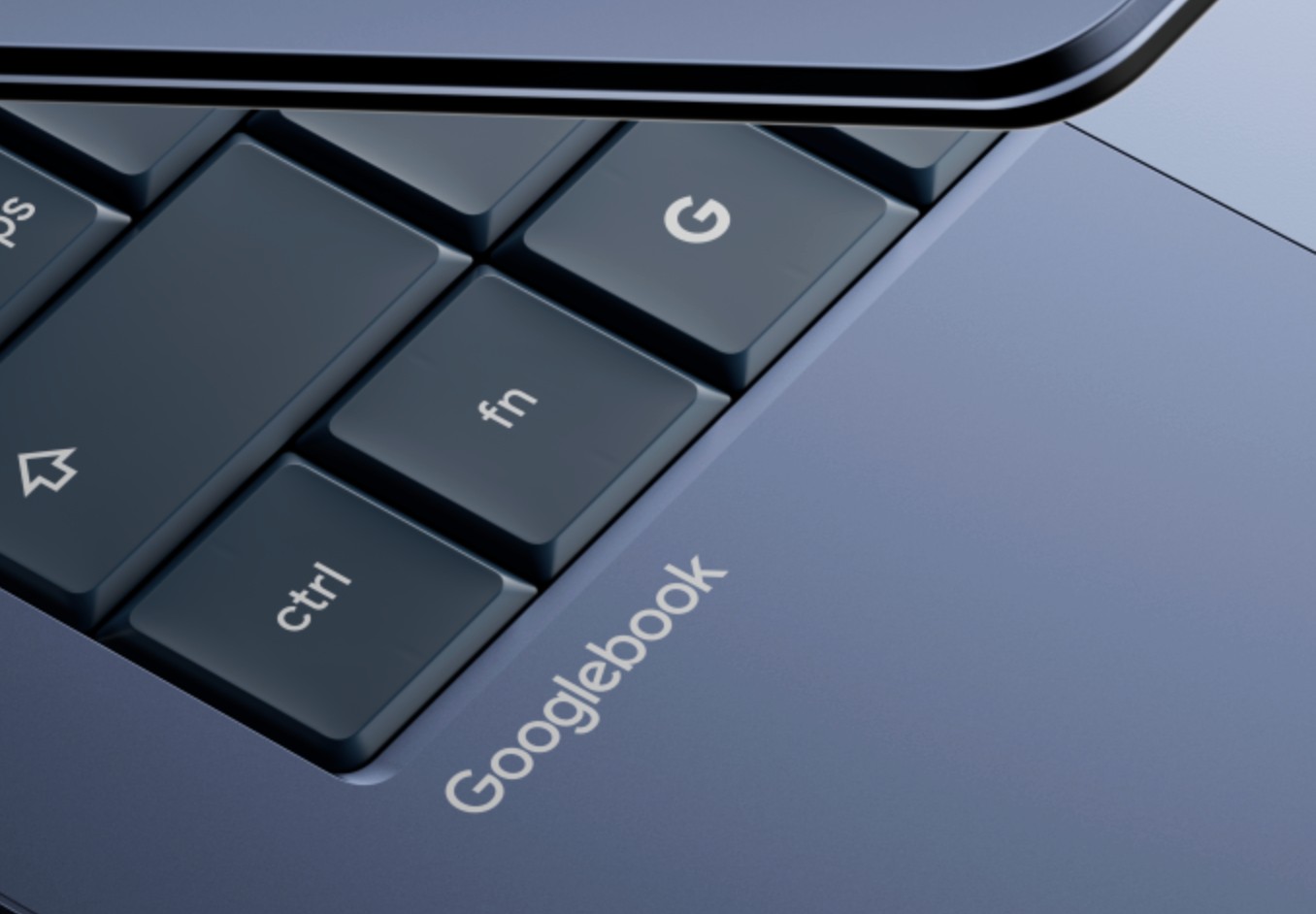
Preorders are open through the Google Store, Best Buy and other retailers. The laptops go on sale on October 4 in the US and on October 5 in Canada, the UK, Ireland, France, Germany and Australia.
Acer, ASUS, Dell, HP and Lenovo are producing the flagship models. Their specifications include:
The hardware is competitive on paper, and the 10-year update promise gives the purchase a long runway. But the bundle also makes the pricing argument harder to separate from a subscription promotion: after the first 12 months of Google AI Pro, the buyer still needs a reason to keep treating Gemini as part of the laptop rather than as a service.
Daily AI news
Every day we pick what actually matters in AI and explain it plainly — no hype, no filler. Subscribe if you want to follow where the industry is going.
Only what matters — every day
Follow on X