A project bigger than its public description
Google told the Guardian the project is an AI data center on a gigawatt scale, comparable to other projects, without specifying its capacity. State environmental permits allow a 2.51 GW facility—comparable to the full output of two large nuclear reactors.
At that capacity, the center would use more than 30% of Andhra Pradesh’s current electricity supply in a year. The state has more than 55 million residents. Three separate data centers are planned around Visakhapatnam, the state capital.
That difference is central to the local dispute. Critics accuse the state government of rushing the project and avoiding tougher environmental scrutiny. The permits were issued in nine days, without public hearings. Three petitions challenging the approval were filed with India’s National Green Tribunal, alleging that the environmental and water-risk assessment was “extremely incomplete, scientifically unsound and misleading.” A separate case was filed in the Andhra Pradesh High Court.
The electricity question is unresolved. Google has promised to help create “new clean energy” for the center, while 75% of India’s electricity is currently generated from coal. Residents also worry about heat and water. Tarluwada regularly reaches about 45 °C in summer, and more than 100 acres of forest are to be cleared for the project. Google says it does not expect the project to affect the local community and plans to use air cooling rather than water.
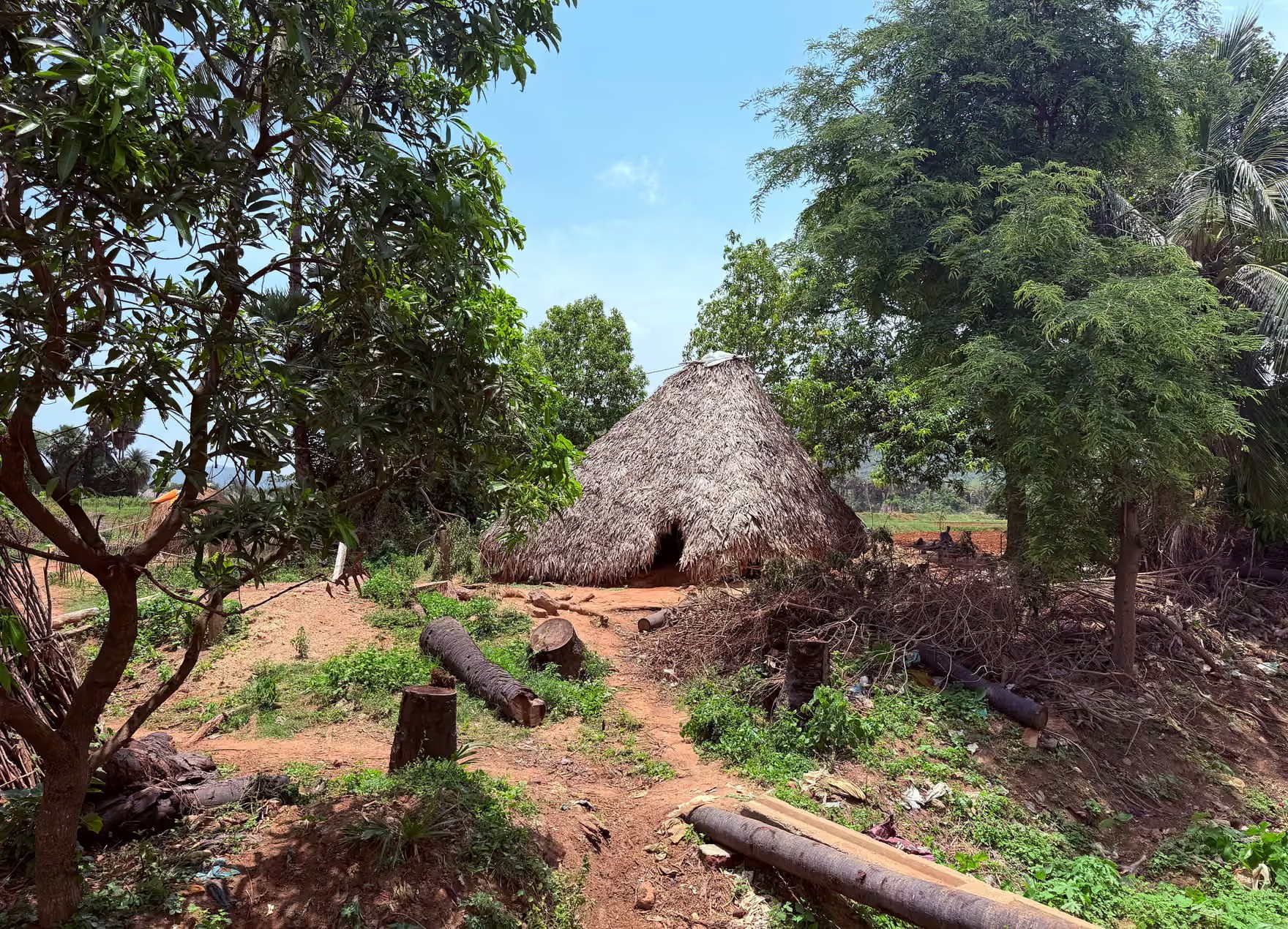
A traditional house in Tarluvada. Photograph: Hannah Ellis-Petersen/The Guardian
Source: theguardian.com
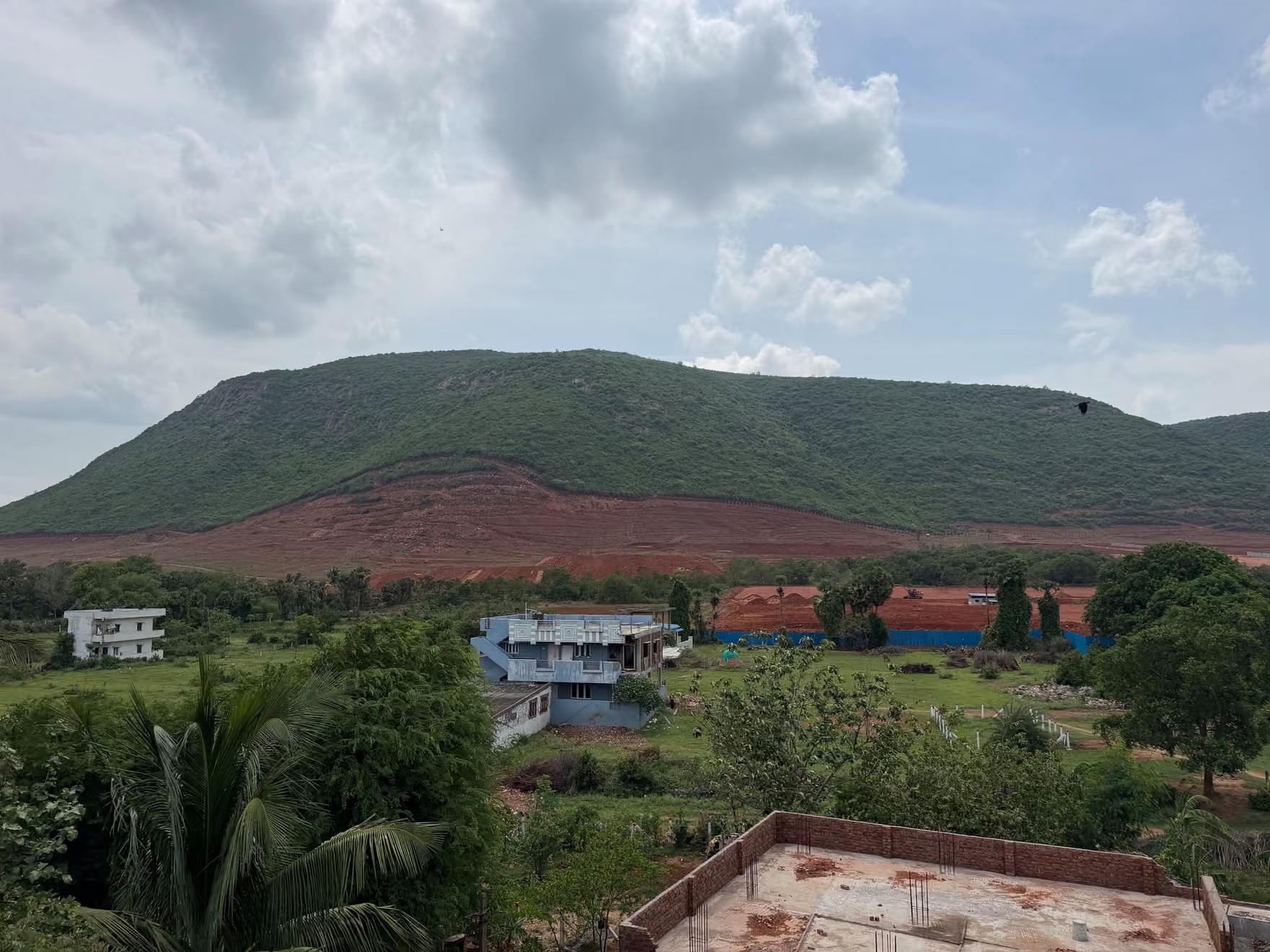
Acres of forests being cleared for Google’s AI datacentre around Tarluvada. Photograph: Hannah Ellis-Petersen/The Guardian
Source: theguardian.com
What the land deal looks like locally
The state presents the project as part of a broader plan to make Andhra Pradesh a leading technology hub. Its incentives for Google are estimated to cost 220 billion rupees ($2.2 billion) over 20 years, including long-term tax breaks, discounted land and access to cheap electricity and water. A separate 1 GW AI data center, to be built by Reliance Industries, was also approved late last year.
Google says the project was designed with local conditions in mind, that it worked closely with communities and that the development will create thousands of jobs around Visakhapatnam. Tarluwada residents describe a different exchange: they say they were pressured to give up land and did not receive everything promised in return.
P Venkat Rao says authorities promised his family another plot and one job, but neither arrived. Without land to farm, he says, the compensation has no value. The state says there was no forced acquisition and that everyone eligible received generous payments. Adani Group says it obtained the necessary approvals.
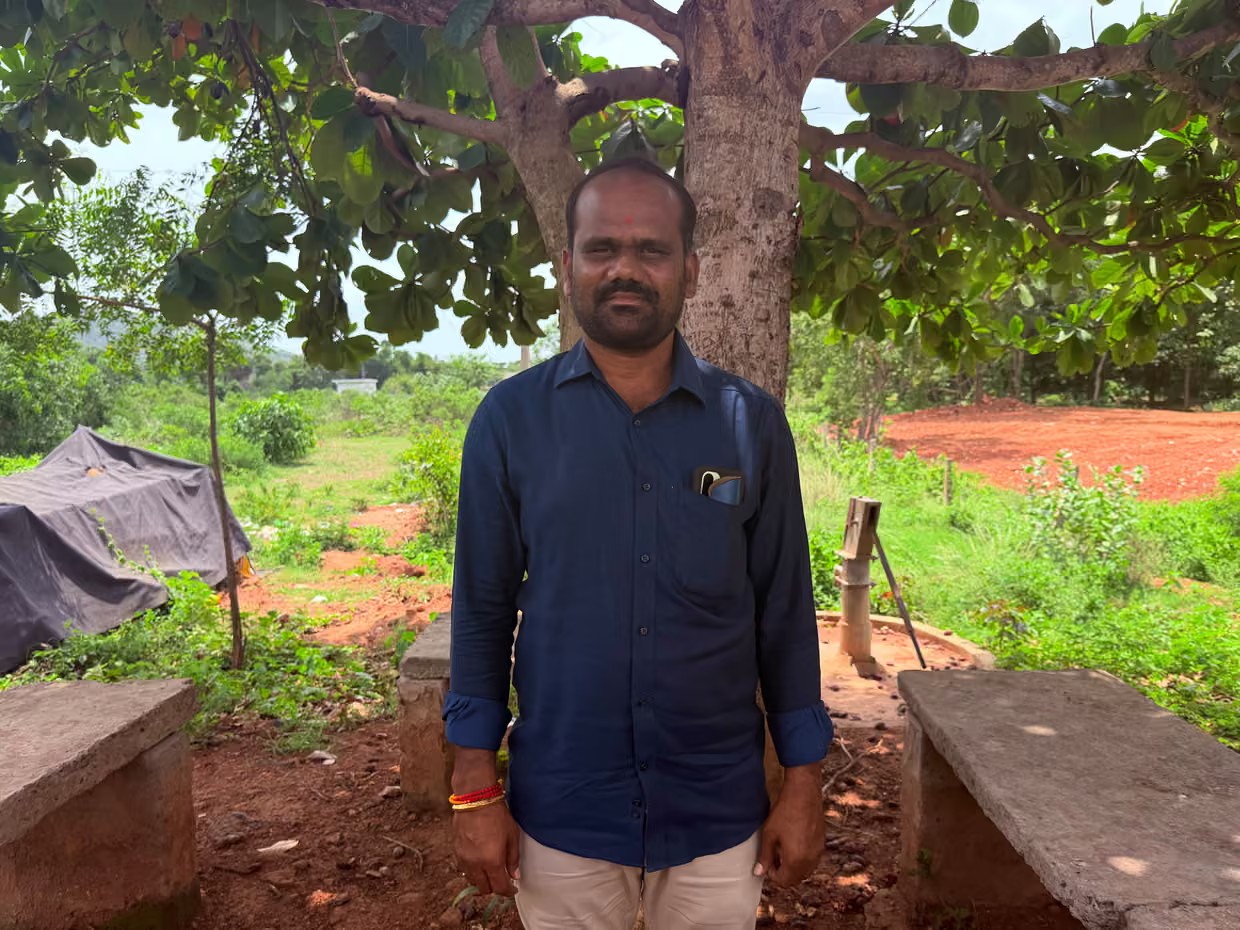
BRB Naidu, Tarluvada village head. Photograph: Hannah Ellis-Petersen/The Guardian
Source: theguardian.com
The account from Tarluwada is not just about whether a data center can be built safely. It is also about who gets to decide what counts as compensation. T Appalaraju, one of the residents who recently lost land, says he learned of its acquisition only in April, when Adani security guards fenced off plots residents had cultivated for years.
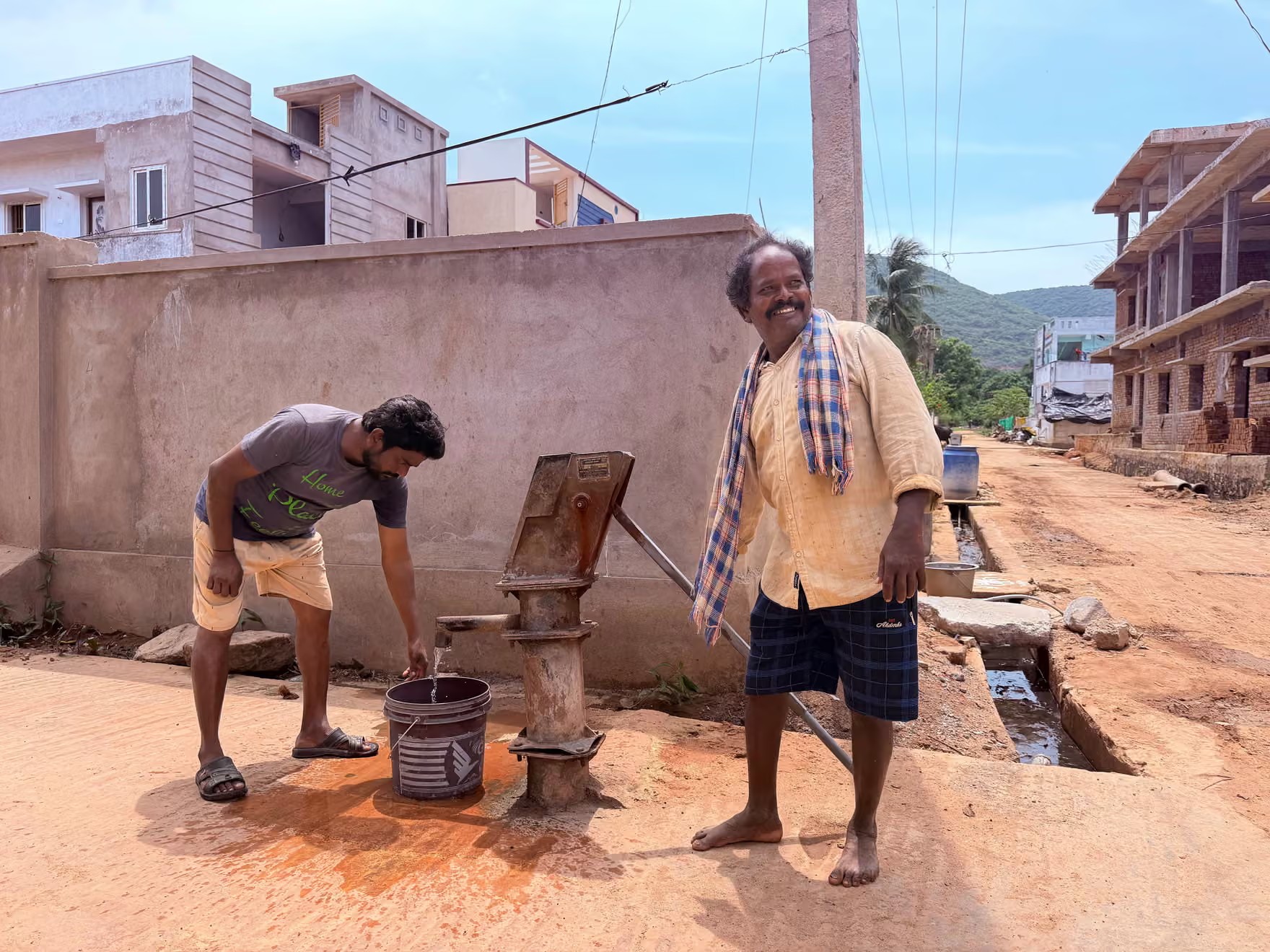
P Venkat Rao, a Dalit farmer, pumps water in the village. He was forced to give up his land for the Google datacentre and now has no livelihood. Photograph: Hannah Ellis-Petersen/The Guardian
Source: theguardian.com
The environmental dispute has the same gap between official assurances and residents’ concerns. The project site near Tarluwada is close to a protected forest, a drinking-water reservoir and a wildlife sanctuary where leopards live. Human-rights activist V S Krishna, whose organization filed petitions against the approvals, says the scale of the project was cleared without public hearings or a serious assessment of the harm to local communities.
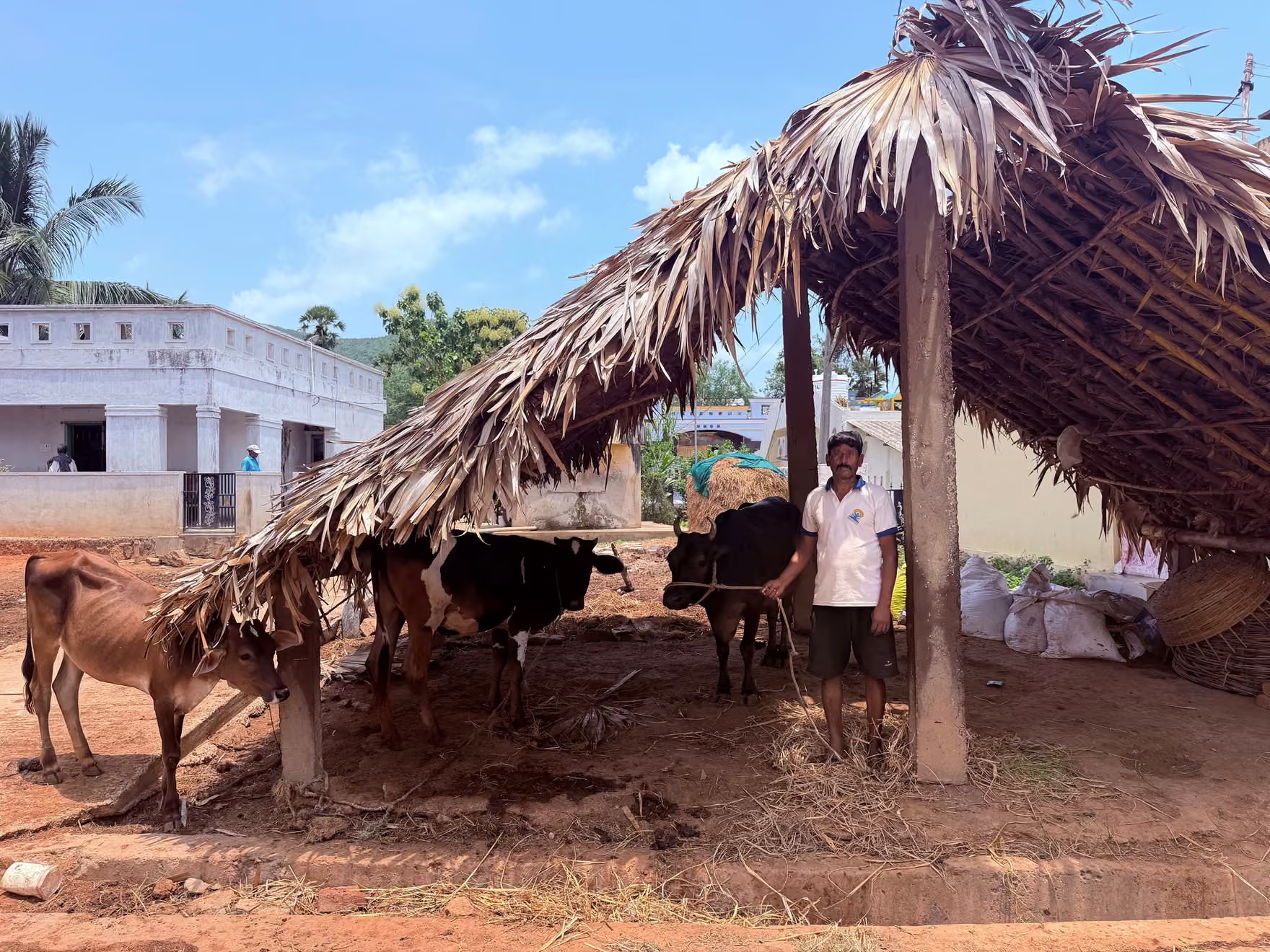
Applaraju, one of the villagers who lost his land for grazing his cows to the Google’s AI datacentre being built in Tarluvada. Photograph: Hannah Ellis-Petersen/The Guardian
Source: theguardian.com
The missing test
I think the more consequential question is not whether Google can make this project technically compatible with local conditions. It is whether residents can verify the claims made on their behalf—about electricity, water, jobs and compensation—before the land and infrastructure decisions are settled.
The state sees AI data centers as essential to India’s economic growth and long-term digital competitiveness. Its 2025–2026 Economic Survey says India produces nearly 20% of the world’s data but has only about 3% of its data centers. That may explain the urgency to build. It does not answer what Tarluwada gets in return, or who bears the cost if the promised benefits fall short.
The project is therefore being judged on two ledgers: the infrastructure India wants to attract, and the land and livelihoods local residents say they have already lost. Without public scrutiny, the first can advance while the second remains a promise.
Daily AI news
Every day we pick what actually matters in AI and explain it plainly — no hype, no filler. Subscribe if you want to follow where the industry is going.
Only what matters — every day
Follow on X