
A boom built on local decisions
Finland has 145 data-center projects at different stages of planning. Companies are drawn by the country’s geopolitical and geological stability, available land and cool climate, which can reduce energy costs.
Google’s project in Muhos and Otanmäki is the largest of its kind in Finland’s history. The government has backed the investment: last month, Prime Minister Petteri Orpo called attracting investment a top priority and said the value of the digital economy extends beyond direct spending. He argued that the deal would bring long-term benefits to both sides.
But the Finnish Licensing and Supervisory Authority (LVV) ordered work temporarily halted at both sites earlier this month. Google had begun clearing forest before completing the required environmental impact assessments. Last week, Google’s head in Finland, Antti Järvinen, apologized, while saying the company had acted on its understanding of the law at the time.
The halt has sharpened a national debate over whether Finland should join the race to build data centers for AI. More than 93,000 people have signed a petition calling for stricter rules and fees to compensate local communities for environmental damage. After the Muhos case, Orpo called it a “cold shower.”
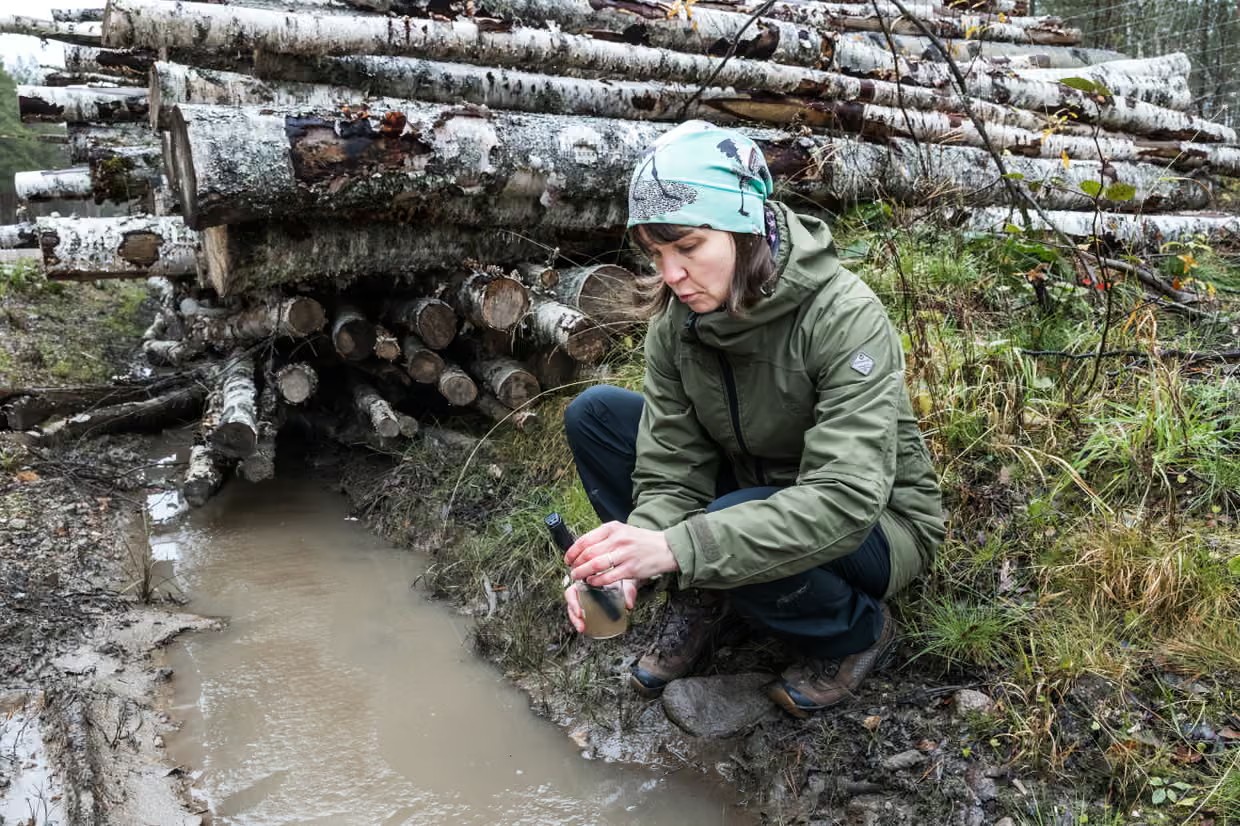
Mari Annala is a Finnish environmental expert, researcher and board member of the Oulu region district of the Finnish Association for Nature Conservation. Photograph: Jarno Artika/The Guardian
Source: theguardian.com
Who gets the return?
The government says it is monitoring the data-center sector and how existing laws are applied. Veli-Matti Uski, director general of the Ministry of the Environment, said it is ready to propose amendments if needed. Some have called for a central body to coordinate projects, rather than leaving many decisions to municipalities that may prioritize immediate local interests.
The economic case is contested, too. Jussi Kangasharju, head of the Department of Computer Science at the University of Helsinki, said data centers create relatively few jobs and may stimulate local economies, but offer limited benefits nationally. International operators serve international customers, he argued, while Finland collects little tax and the operator receives most of the benefit.
Some residents support the projects for jobs and land-tax revenue. Others think their municipalities have secured too little in return. The questions extend to household electricity costs and why Finland’s renewable energy should power international corporations.
In the northern Finnish town of Muhos, the forest has already been cut down on land acquired by Google, with excavators now clearing the ground and rumbling trucks shuttling back and forth to the construction area located next to major power lines. Photograph: Alessandro Rampazzo/AFP/Getty Images
Source: theguardian.com
The damage is local
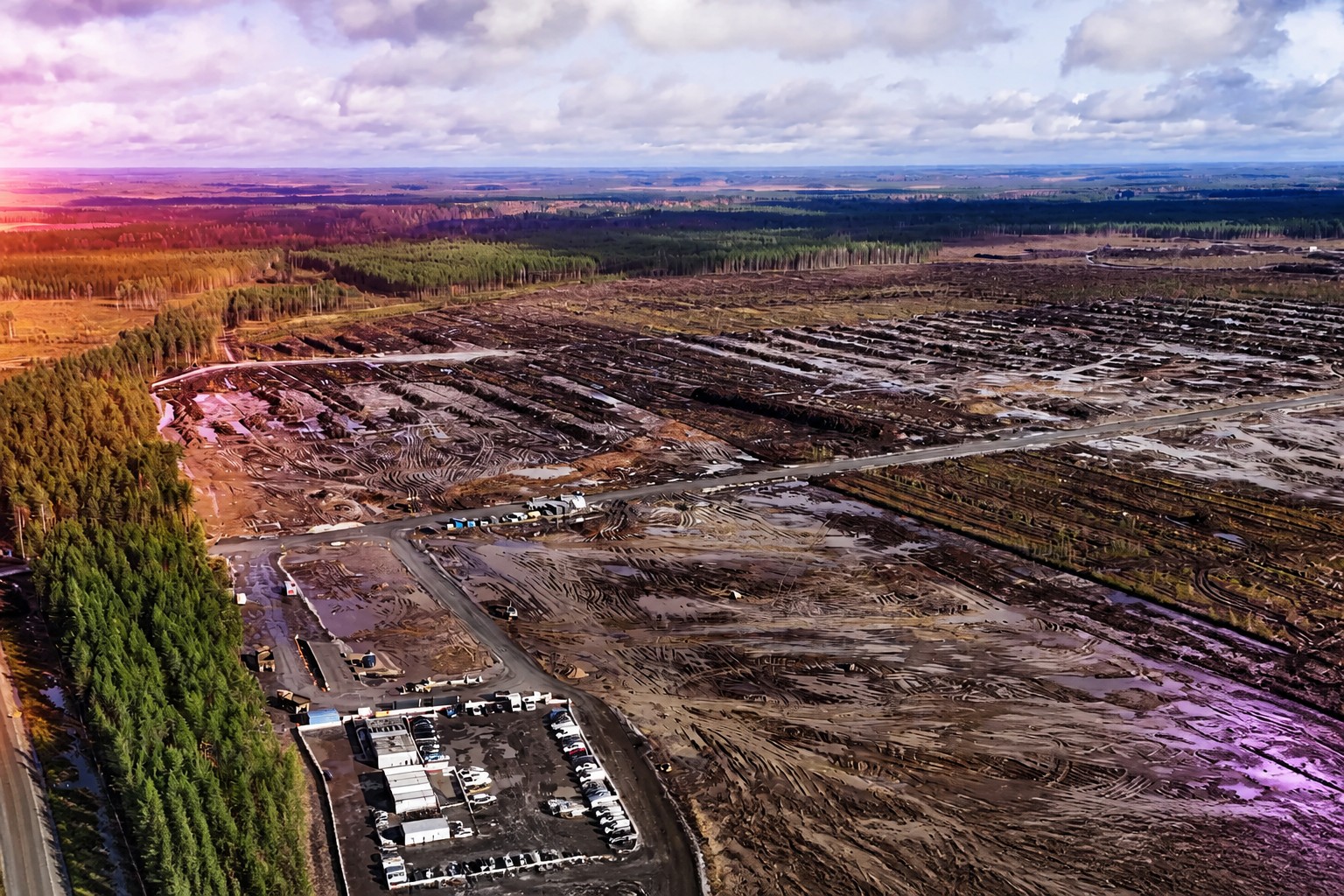
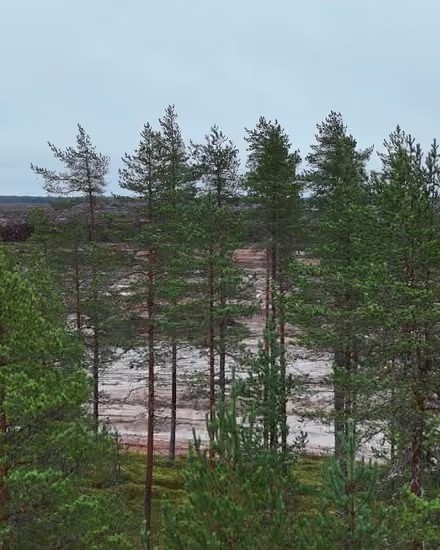
At Muhos, residents describe a cleared site of mud, heavy-equipment tracks, pools of water and piles of soil, roots and branches. They say brown water runs from the site into a stream that feeds the Oulujoki River. Ecologist Mari Annala of the Finnish Association for Nature Conservation (SLL), watching drone footage from the edge of the site, said the former forest seemed to stretch endlessly.
At Otanmäki, resident Anni Ranta said wolves that lived in the forest came into the village after the trees were cut. She is also worried about construction noise: the hard bedrock makes the ground sound like a drum even when people are simply standing and talking, she said, stamping her foot.
Her father, Pentti Korhonen, a retired wilderness guide, said the stream turned brown after the forest was destroyed. Vesa Hyyryläinen, who leads the local SLL chapter, said three-toed woodpeckers had been displaced. He understands why authorities seek investment and jobs in a region where young people leave for Helsinki, Berlin and Paris, but said the region is being asked to sacrifice.
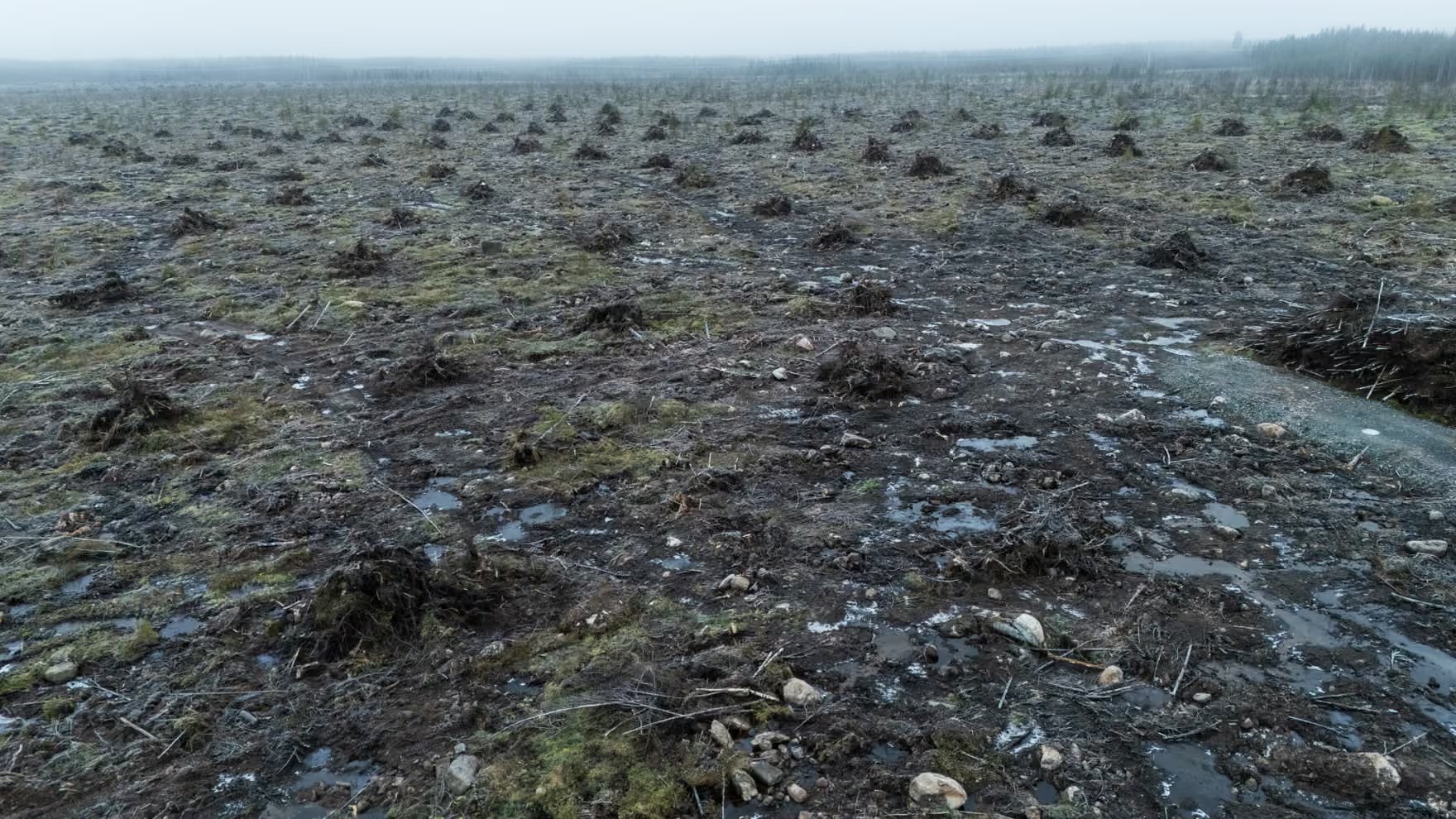
Google has illegally stripped the entire area, removing even the top soil. Photograph: Jarno Artika/The Guardian
Source: theguardian.com
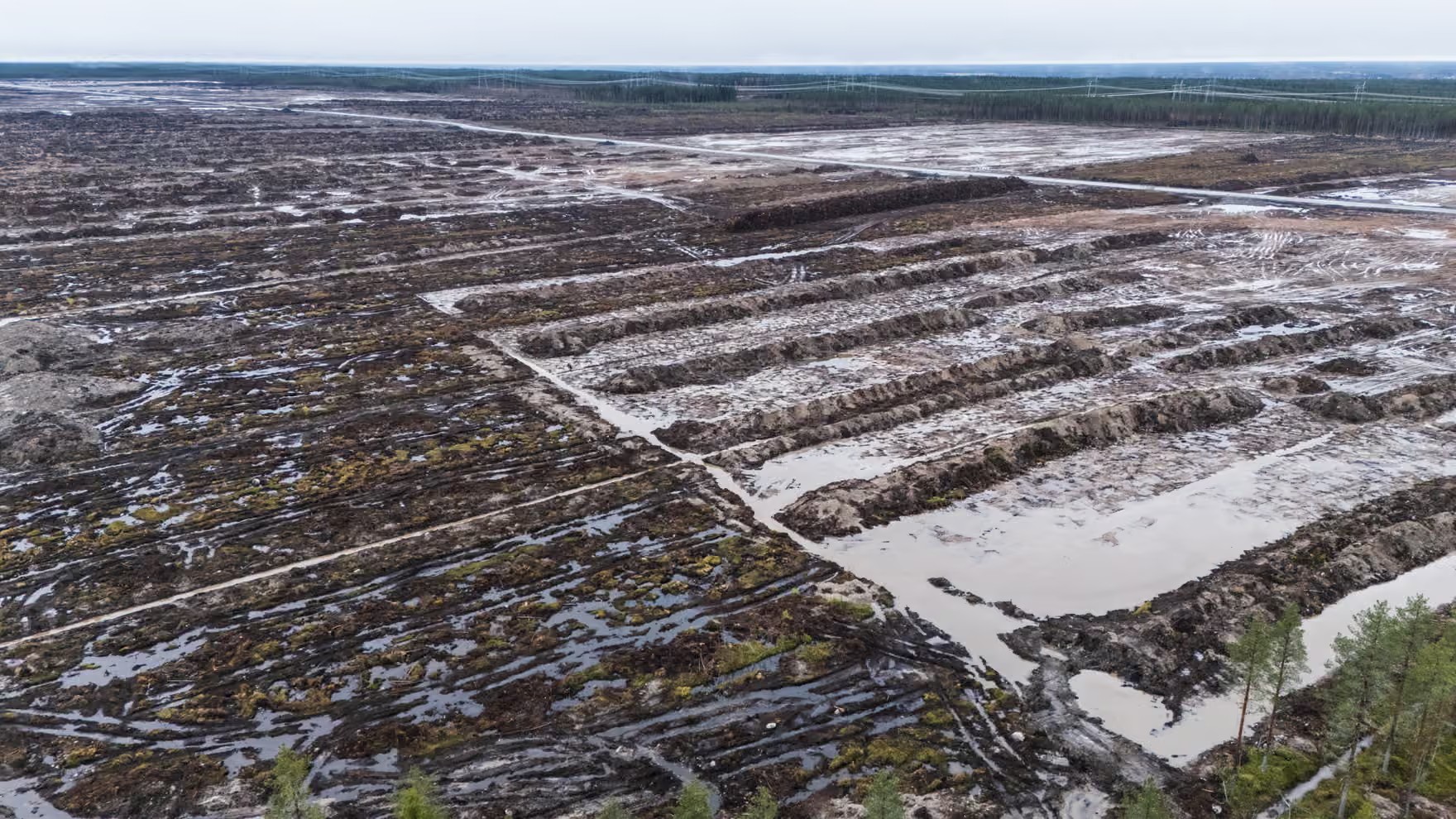
Google’s clearcut area is 3km long and 2km wide, 330 hectares in total, and 400 metres from the Oulujoki River. Photograph: Jarno Artika/The Guardian
Source: theguardian.com
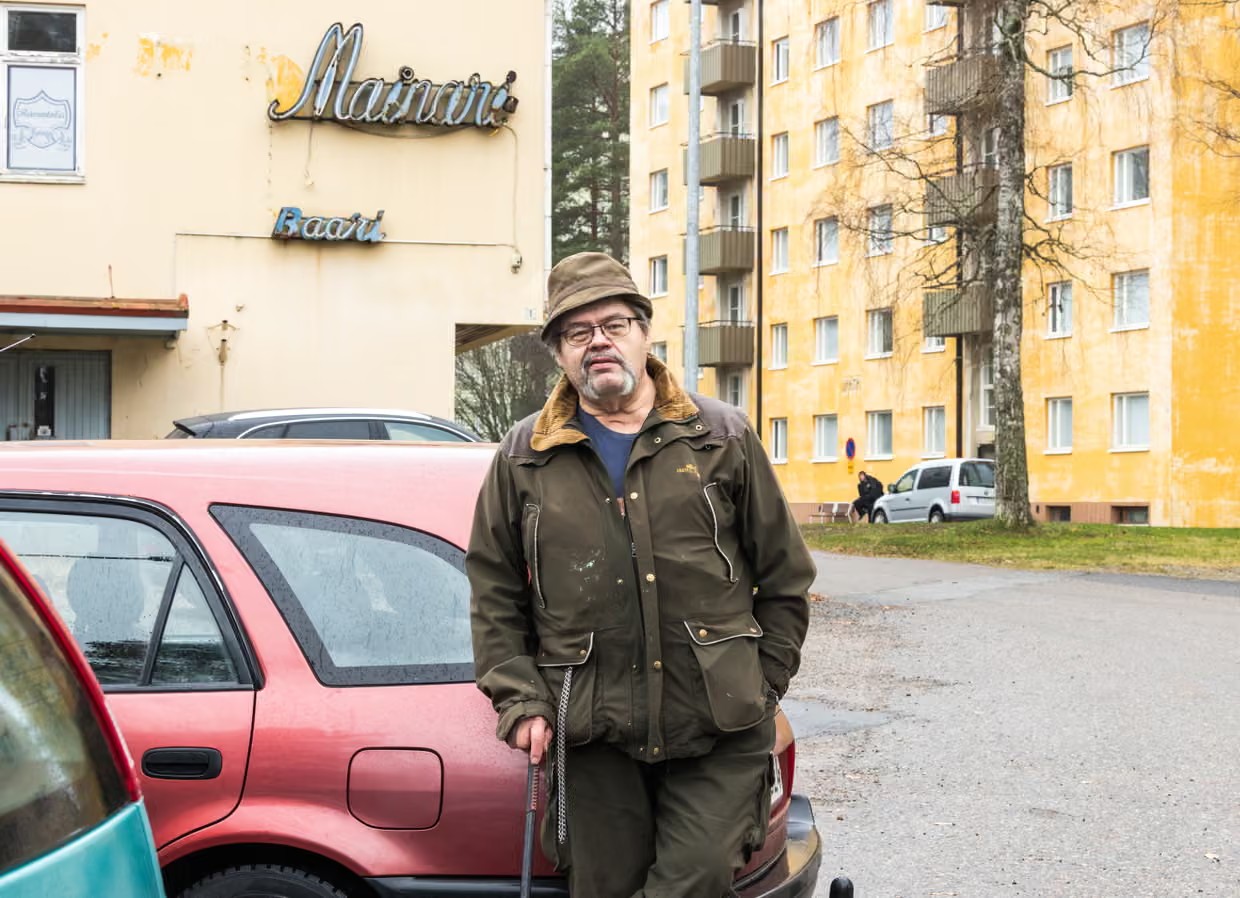
Pentti Korhonen, a wilderness guide, has lived in Otanmäki for 12 years. Photograph: Jarno Artika/The Guardian
Source: theguardian.com
Resident Antti Jakonen of Muhos says his objection is not to the amount of forest cleared, which he considers small relative to Finland’s forests, but to how it was done. He wants Google to help restore the local salmon population, which was destroyed decades ago by hydropower.
Ranta is considering leaving Otanmäki. She also fears a data center could make the village a target for Russia, with which Finland shares a long border. Her opposition reaches beyond the project: she dislikes AI and the speed of change.
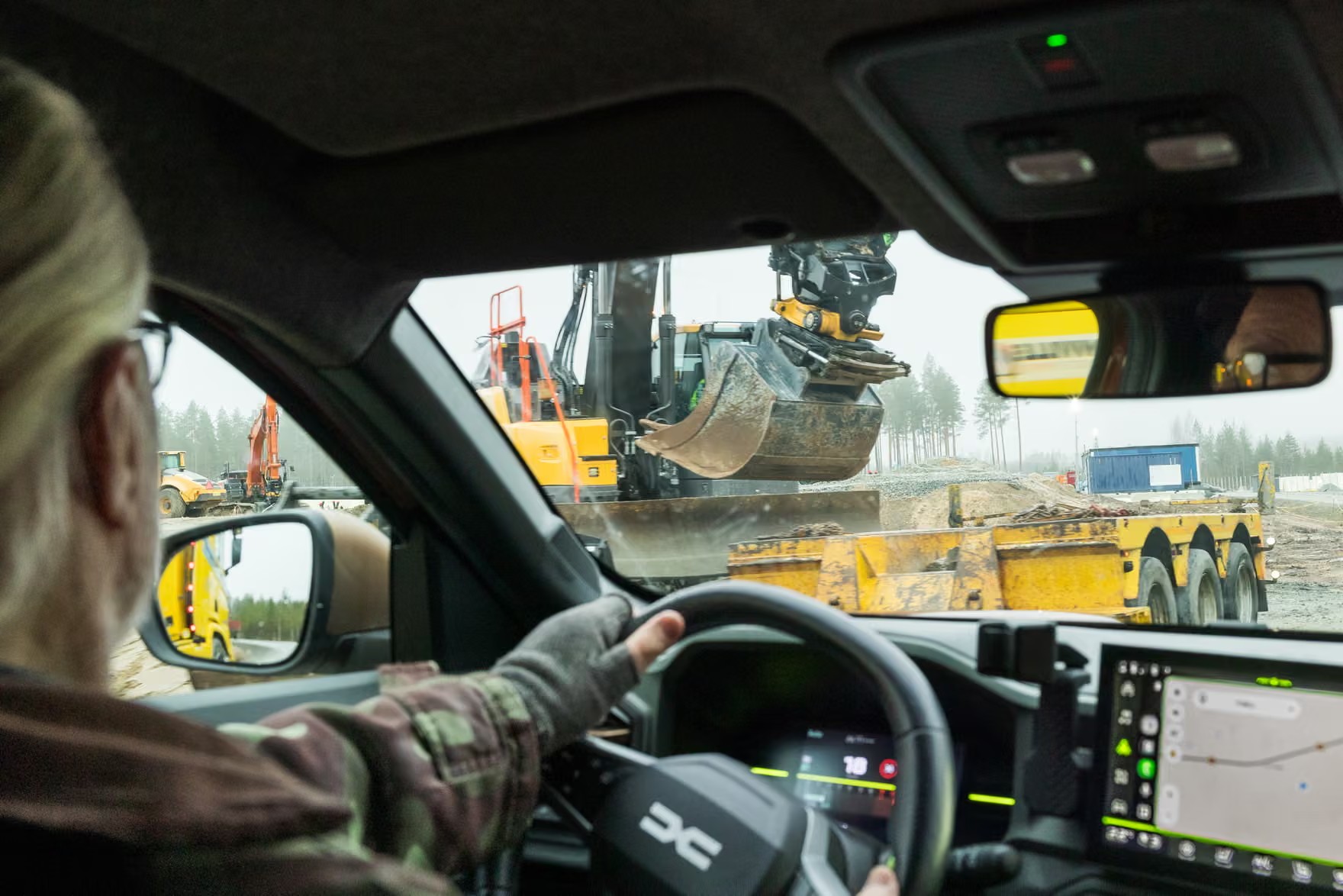
Vesa Hyyryläinen, a biologist, drives past the construction area next to the Google clearcuts in Otanmäki. Photograph: Jarno Artika/The Guardian
Source: theguardian.com
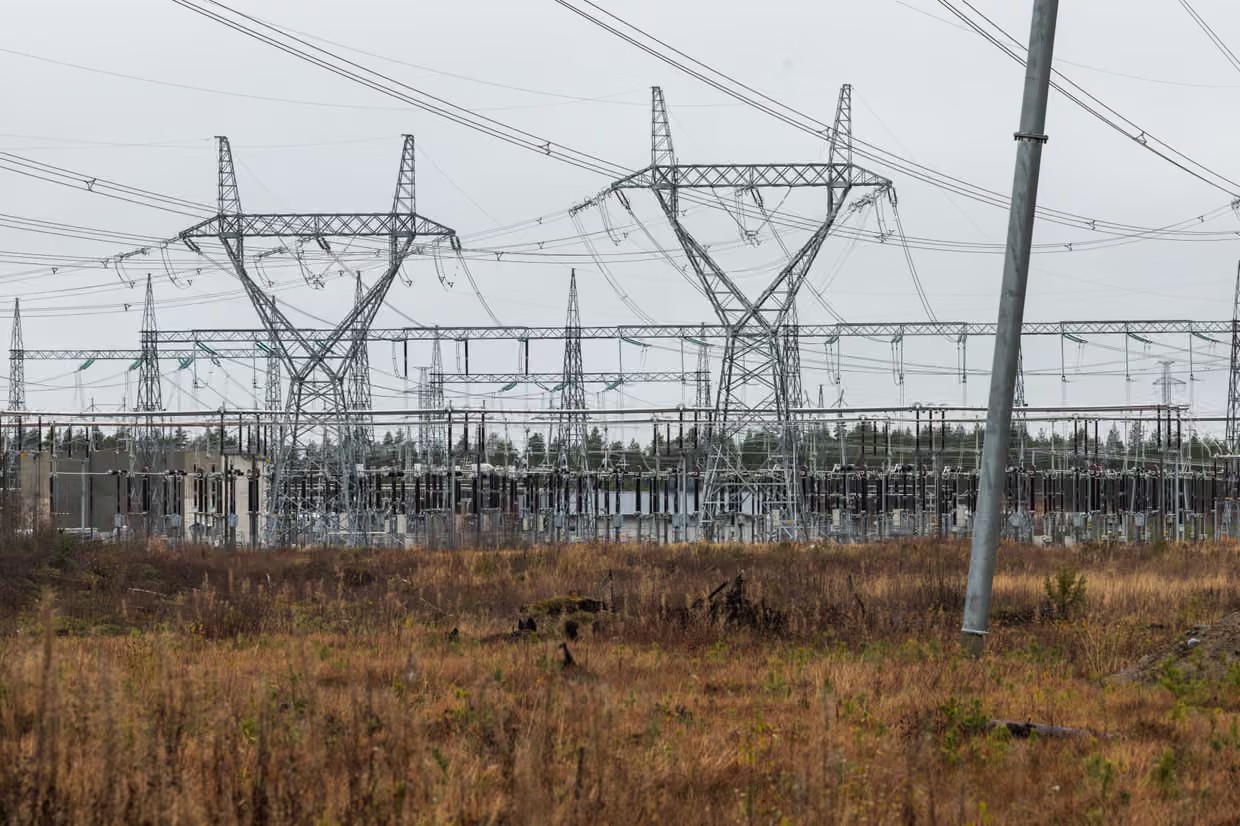
Three electrical pylons next to the Google clearcut. Photograph: Jarno Artika/The Guardian
Source: theguardian.com
A question of trust
SLL board chair Hanna Halminpää said she was astonished by the reported violations and had never heard of a company acting this way in Finland. She said the country’s system depends heavily on trust, and accused Google of exploiting that trust by buying a large plot and immediately beginning to clear it. She called the conduct “pure arrogance.”
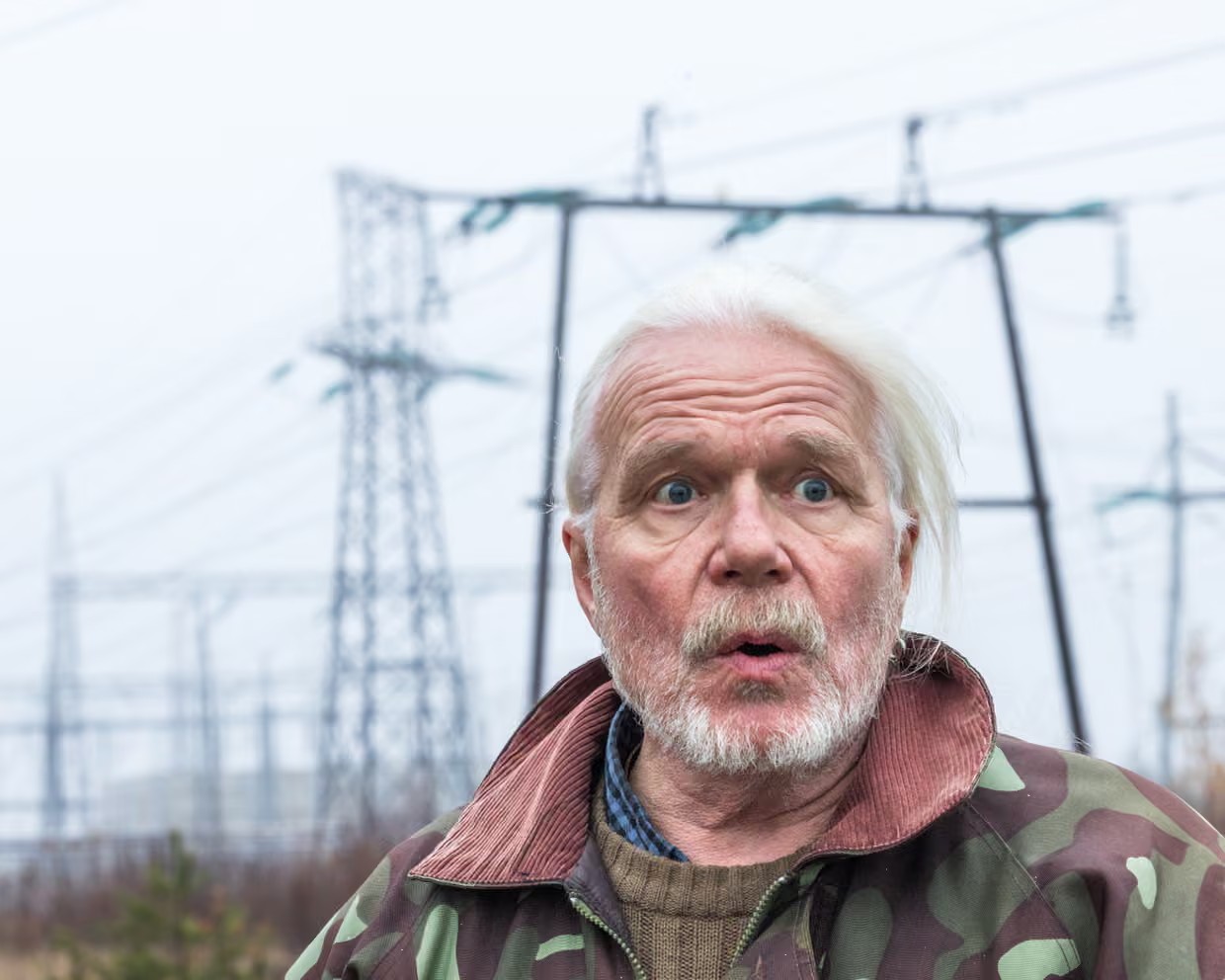
Hyyryläinen said: ‘I wonder why we have to sacrifice so much of our nature. They give everything away too easily.’ Photograph: Jarno Artika/The Guardian
Source: theguardian.com
My read is that the central issue is not whether Finland needs investment. It is whether the speed of the buildout lets municipalities and residents negotiate meaningful conditions before the land is changed. Google says it has operated in Finland for 15 years and has always sought to meet or exceed requirements on zoning, the environment, health and safety. It also says it will comply fully with LVV’s demands and continue dialogue with authorities and local organizations.
After receiving LVV’s letters on October 6, Google stopped preparatory work in Muhos and Kajaani, where the Otanmäki site is located, and sent the authority a formal response. The company says it will plant trees, but conservationists say the planned area cannot meaningfully compensate for what was cleared. The gap between those positions is the practical test of whether Finland’s investment bargain can still command local trust.
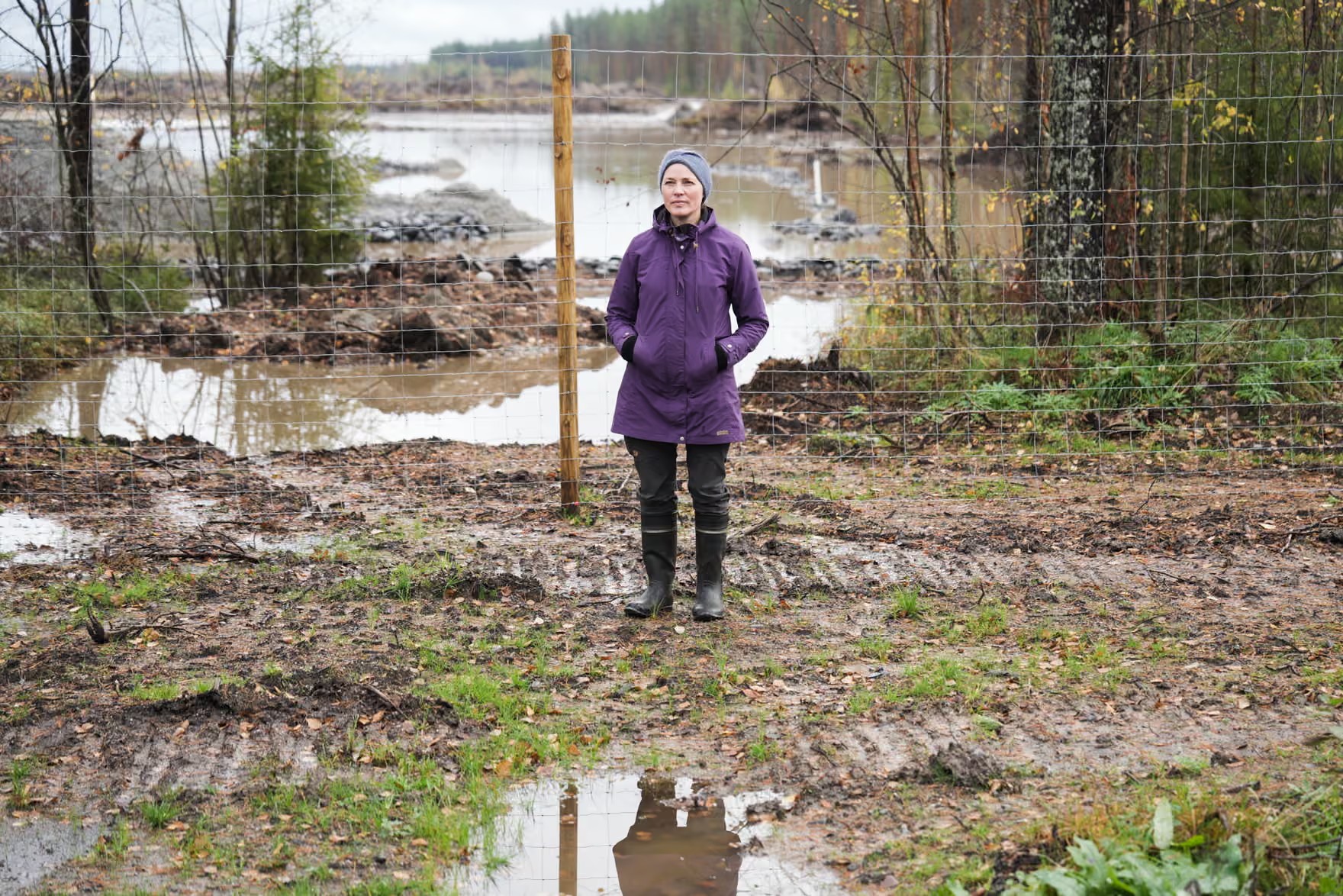
Hanna Halmeenpää, chair of the board of the Finnish Association for Nature Conservation, near the site where Google’s new datacentre is to be built in Muhos. Photograph: Alessandro Rampazzo/AFP/Getty Images
Source: theguardian.com
Daily AI news
Every day we pick what actually matters in AI and explain it plainly — no hype, no filler. Subscribe if you want to follow where the industry is going.
Only what matters — every day
Follow on X