
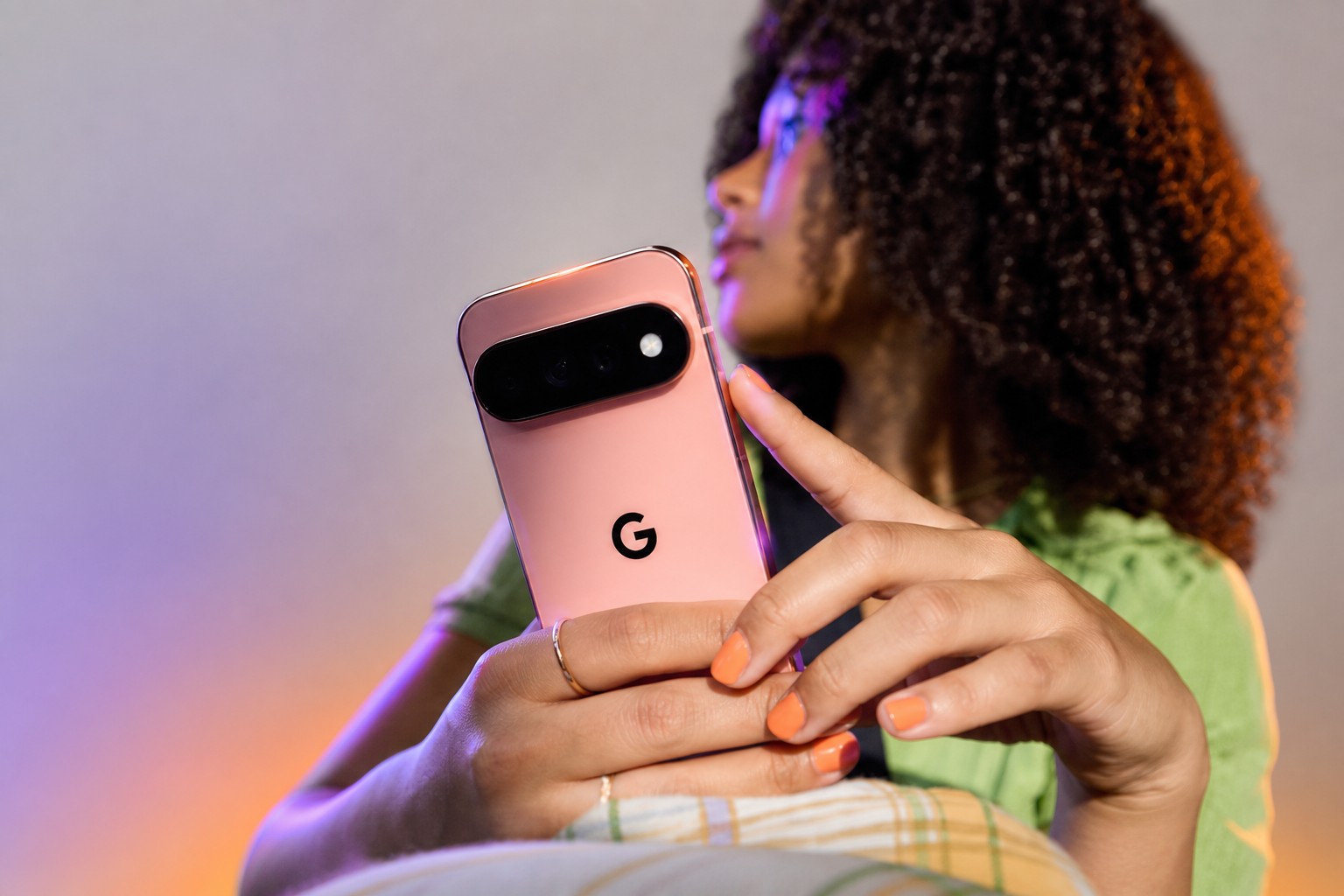
Google is shipping an Android feature for people who get sick looking at a phone in a moving car. Motion Assist lays bubbles over whatever is on screen and moves them with the vehicle, narrowing the mismatch between what the eyes see and what the body feels. Google says it needs Android 17. The same wave of updates includes Guided Vision, a camera-and-Gemini tool for blind and low-vision users, which reaches phones as far back as Android 9 — eight releases of distance between the two most substantial things in one announcement.
Motion Assist can be set to come on by itself or pinned to quick settings, and the bubbles can be changed in shape, color and transparency. Apple got there first, in 2024, with Vehicle Motion Cues: dots along the edges of the screen that react to the vehicle's movement. Google's version is the more adjustable of the two and, for now, by far the harder to get.
Guided Vision is the heavier piece of engineering. It runs Gemini through the phone's camera to read small print on packaging, work through a menu in a dark restaurant, or identify objects around the house, and it talks the user into a usable shot — move the phone, turn it, bring the object into the center of the frame. That coaching loop is what separates this from a description feature. A blind user cannot see that the camera is aimed at the ceiling, and a model answering confidently about the wrong frame is worse than one that says nothing.
Gemini is also getting somewhere to keep the answer to where things are. A Remembered items section in Find Hub takes a note — the passport is in the bedroom dresser drawer — and holds onto it, with a photo attached if the user wants one.
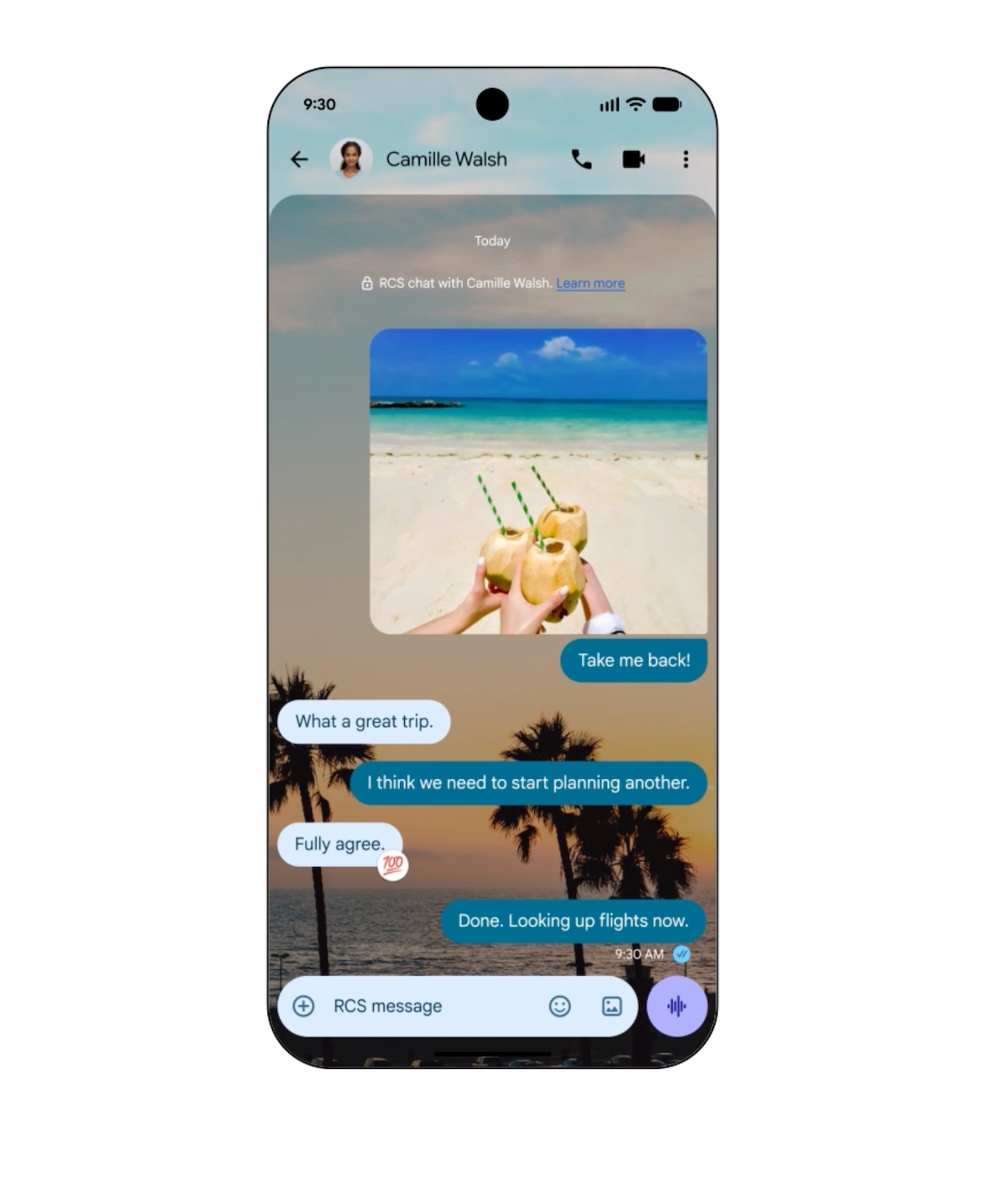
Google Keep is moving into Google Messages, so shopping lists and trip notes can be shared and edited inside a conversation. Messages is getting per-chat decoration as well: a background, a photo and colors chosen thread by thread, with the message bubbles adjusting themselves to whatever is picked. Apple added custom backgrounds to Messages last year.
Source: techcrunch.com
Two different companies are visible in one announcement. One is putting a model on the phone and pointing it at problems that were not solvable before — reading a label you cannot see, being told how to aim a camera you cannot look through. The other is filling in squares on the iMessage feature matrix, arriving after Apple on motion sickness and after Apple on wallpapers. Both ship under the same headline, and only one of them is hard.
The quiet part is the version requirement. Apple's motion cues ran on iPhones that already existed in 2024; Google's bubbles need the newest Android, on a platform where the newest Android is always the rarest. Nothing in the announcement explains what Motion Assist takes from Android 17 that earlier releases could not give it, and the effect of the gate is that the simplest feature in the set is the one fewest people can run.
Guided Vision is the feature here that people will depend on rather than enjoy, and it is the only one whose availability is described with a phrase instead of a number: countries where Gemini is available. Which countries those are is left unstated, and that clause carries more of the sentence than anything else in it.