
The scale of the proposal
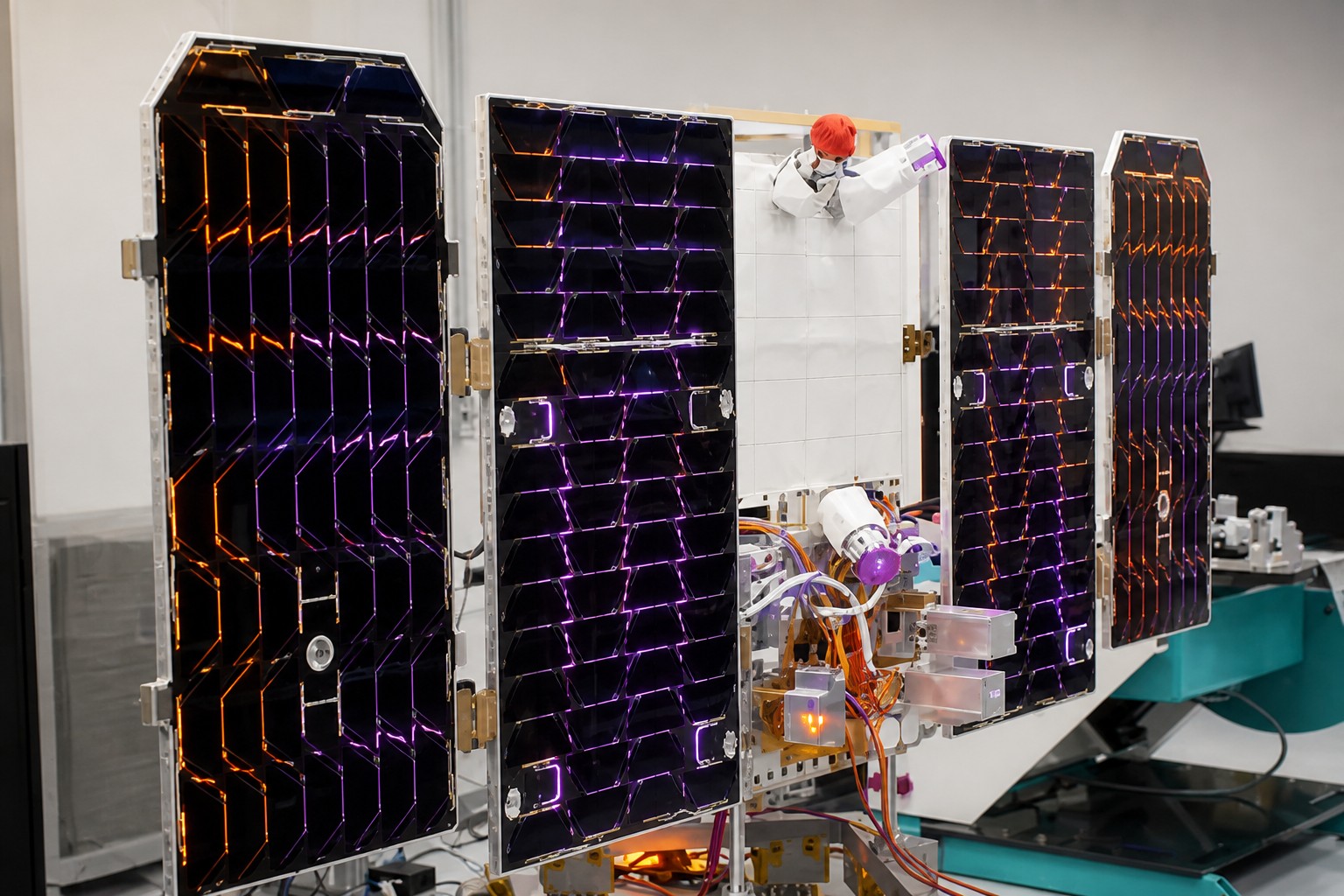
Google manager Travis Beels estimates that an orbital fleet would need about 10,000 satellites to match the capacity of a single 1 GW ground-based data center.
The engineering obstacles are just as large:
The economics are the test
Jeff Bezos estimates that orbital data centers could need up to 20 years to become cheaper than terrestrial facilities. That timeline turns Suncatcher into a long-range infrastructure bet rather than an immediate answer to AI’s data-center constraints.
I think the launch-price threshold is the proposal’s real center of gravity. Solar power may make orbit attractive, but it cannot compensate for a fleet that is too expensive to put there or too difficult to keep operational.
What I’d want to know is how Google plans to move from a 10,000-satellite estimate to a workable system. The available details establish the scale and the obstacles, but not a deployment path. Until that gap is closed, Suncatcher looks more like a test of orbital economics than a new data-center buildout.
Daily AI news
Every day we pick what actually matters in AI and explain it plainly — no hype, no filler. Subscribe if you want to follow where the industry is going.
Only what matters — every day
Follow on X