
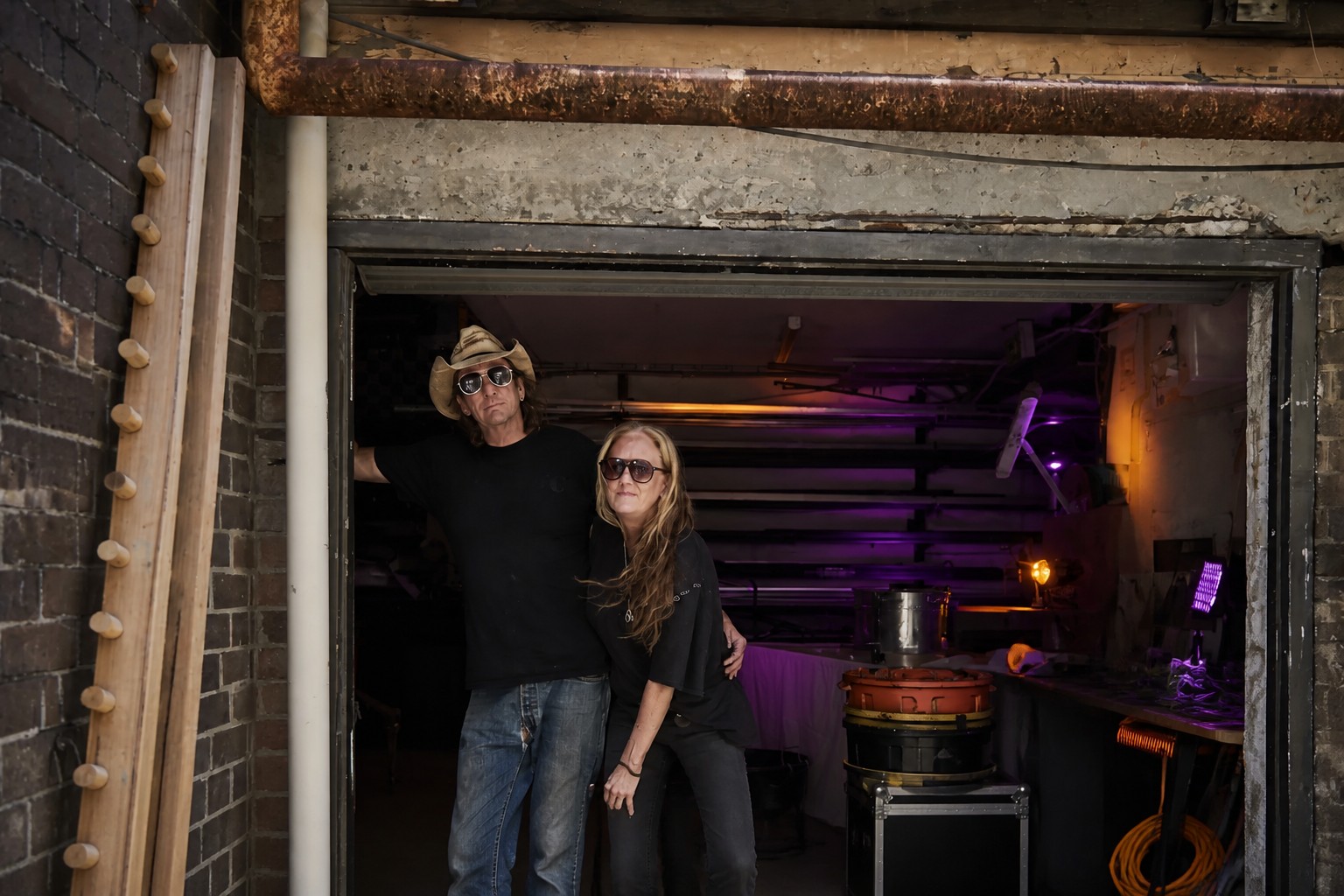
A policy debate with local stakes
The copyright question is part of a broader package of reforms covering AI, data centres, energy and the economy. Albanese has promised “the strongest possible protections” for creators and warned that using their work without payment would be “theft.” The creative industry fears, however, that companies are pushing to weaken copyright so they can train models on Australian material.
Some companies say licensing under current law is too difficult. Anthropic has proposed an opt-out model: it could collect material unless the rights holder had blocked its use in advance. Coalition senators and music-industry representatives have warned that this could amount to the state taking property.
Federal legislation is expected by the end of the year, with Parliament due to consider it in 2027.
The people who make the work
Pete Strong, a stencil-printing artist and Greens councillor in Bayside, runs a business in Grayndler. His solar-powered sound systems, installed in wheelie bins, are familiar to people in Sydney’s west.
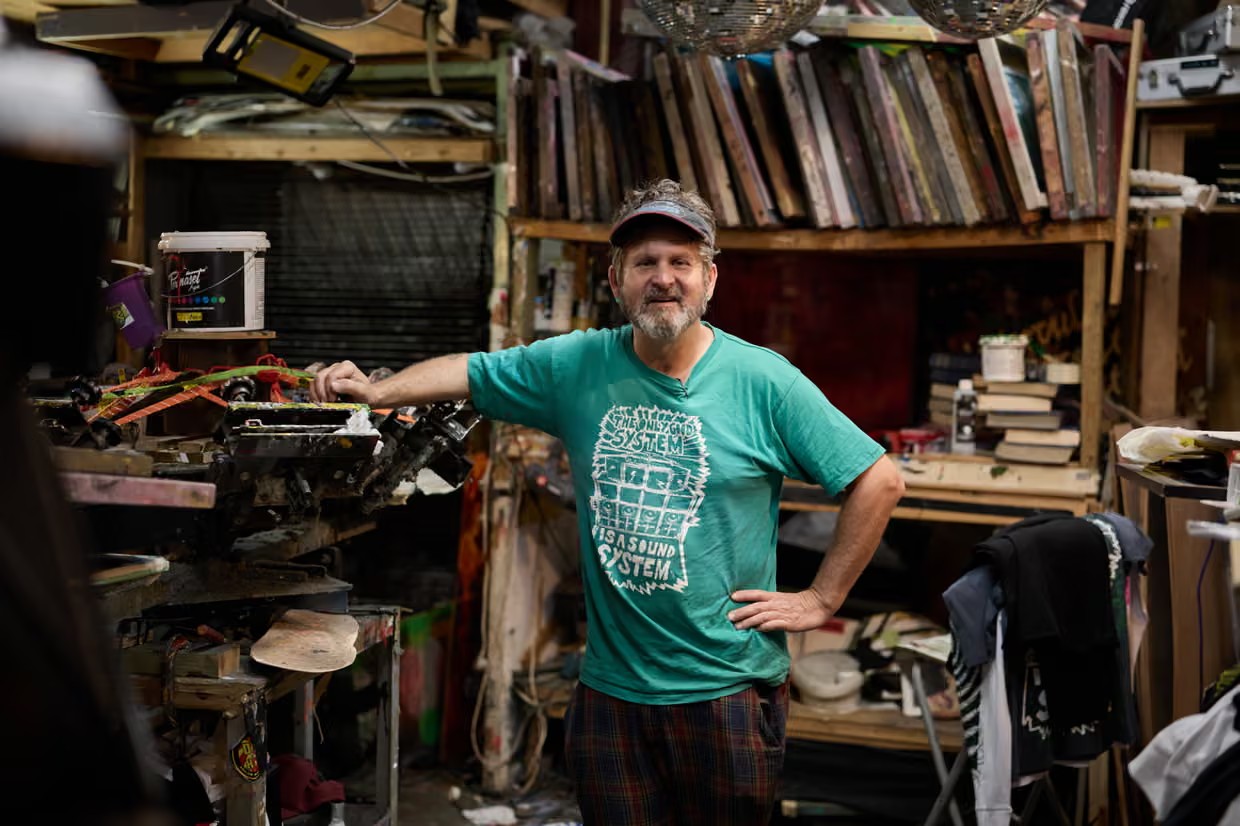
Pete Strong says AI is ‘the wild west and we really need to push back’. Photograph: Liz Ham/The Guardian
Source: theguardian.com
Strong says AI could be “useful to humanity,” but argues that the industry is extracting data for the profit of a few. He opposes the government’s proposal, describing the AI boom as a gold rush that creative workers need to resist. Artists already struggle to make a living, he says, and now their work may be taken and used in questionable ways.
This year, Strong prepared an exhibition called “Overthrow the Algorithm.” He has also campaigned against a proposed data centre at Kurnell Cove. He sees opposition to the government taking shape, and says it began with protests against the data centre.
In September, Labor’s proposals leaked to the press. OpenAI, the maker of ChatGPT, then met with ministers and warned that Australian copyright laws made it difficult for the company to train models in the country.
Designer and artist Lou Campbell-Smith, who lives in Sydney’s west, has found AI useful in her work. But she calls it outrageous that artists should have to opt out to prevent their work from being used.
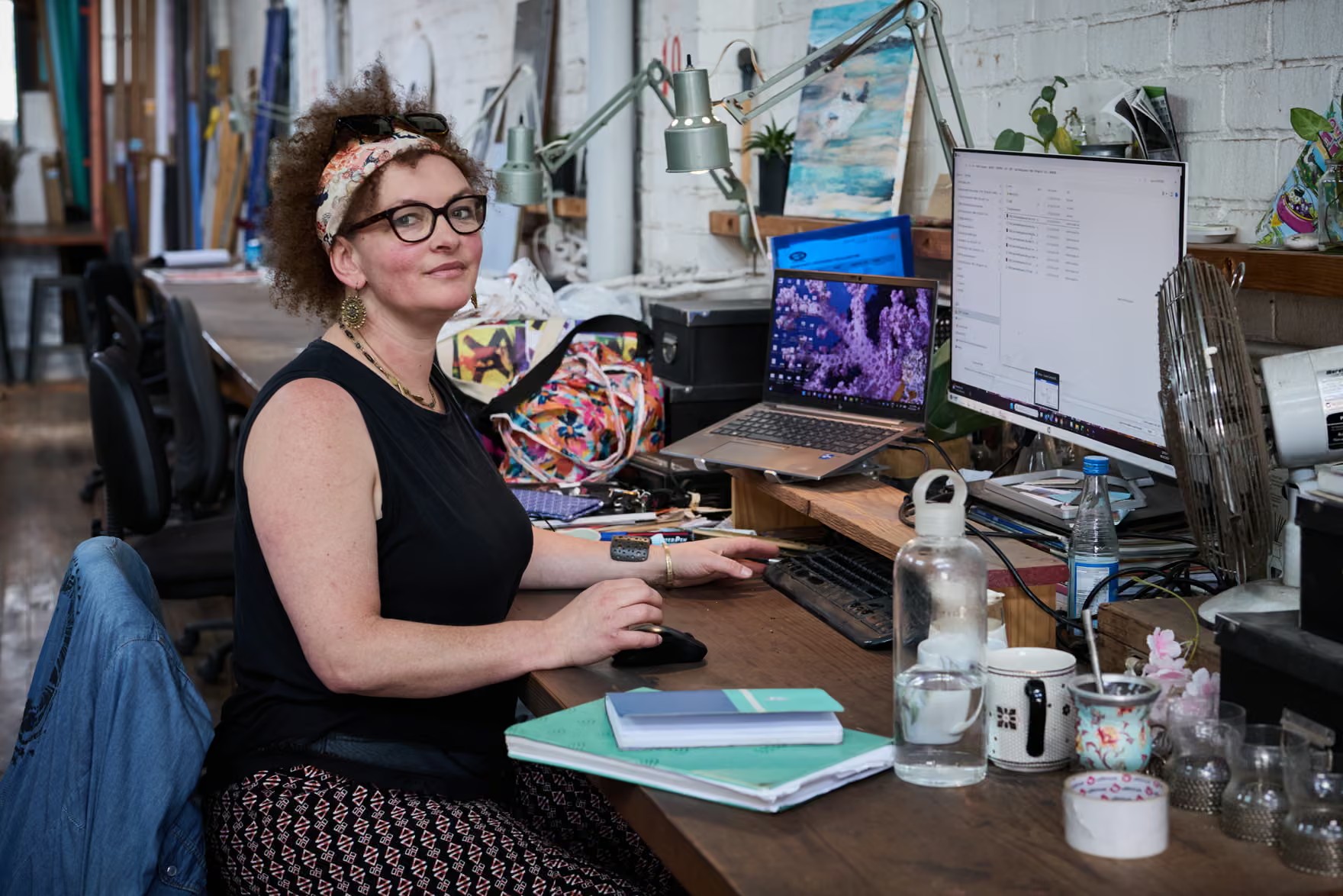
Lu Campbell-Smith at her desk in Tortuga Studio’s co-working space called the aerie. Photograph: Liz Ham/The Guardian
Source: theguardian.com
Campbell-Smith says the proposal makes Australia look like a test market and its people like a resource to exploit. She also questions why anyone would create work and publish it online if that means providing free content for AI.
Grayndler has long been a safe Labor seat. At the Willie the Boatman brewery in St Peters, a young Albanese appears on cans of Albo Pale Ale. He has won the seat on first preferences at recent elections.
At the next federal election, Albanese will face 28-year-old Hannah Ferguson, co-founder of Cheek Media, running as an independent. No sitting MP has lost a federal election with an advantage as large as Albanese’s. Without his longstanding popularity, Grayndler would likely be a major target for the Greens and progressive independents.
Ferguson is betting that the prime minister’s popularity is fading. The latest Essential poll for Guardian Australia found that 56% of respondents disapproved of Albanese’s performance, matching the highest level since he took office.
The gap between praise and protection
At Tortuga Studios and the Aerie, a creative space in an old brick factory in St Peters, opposition to the government’s proposal is palpable. The artist-run studios have been operating for years and are among Sydney’s oldest.
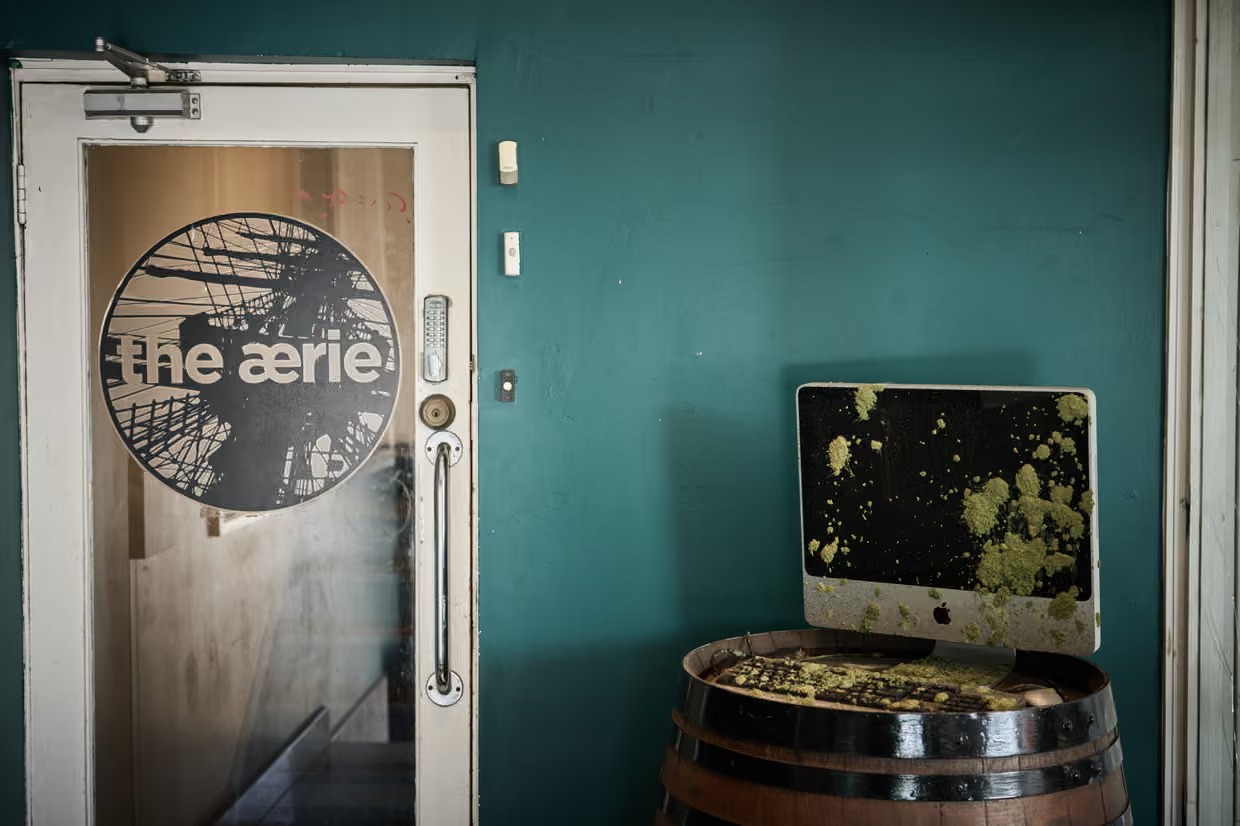
A moss-covered computer artwork by Morgan-Harris sits beside the entry to the aerie. Photograph: Liz Ham/The Guardian
Source: theguardian.com
H Morgan-Harris, a writer, curator and director of the space, fears Australia’s creative ecosystem could be “destroyed.” She says debates about using creative work keep coming back to money. The arts, in her view, underpin human communication and connection; putting that environment at risk also threatens the public value of art.
Morgan-Harris says AI has already badly affected her work in advertising copy. Asked about the government’s latest proposal, she said she could not put her reaction in print. Artists, she believes, are being put in the firing line first.
Many were glad when Albanese came to power, Morgan-Harris says, but there is a wide gap between recognising the creative industry’s value and protecting it. For many, the current situation feels apocalyptic.
Jason Zoidberg, co-founder of Monster Mouse Studios in Marrickville, says the AI industry has already appropriated artists’ collective work posted online with impunity. He calls it insane that the government might allow companies to keep doing so. He also questions the logic of inviting these companies to Australia and seeking their investment while knowing the harm they cause.
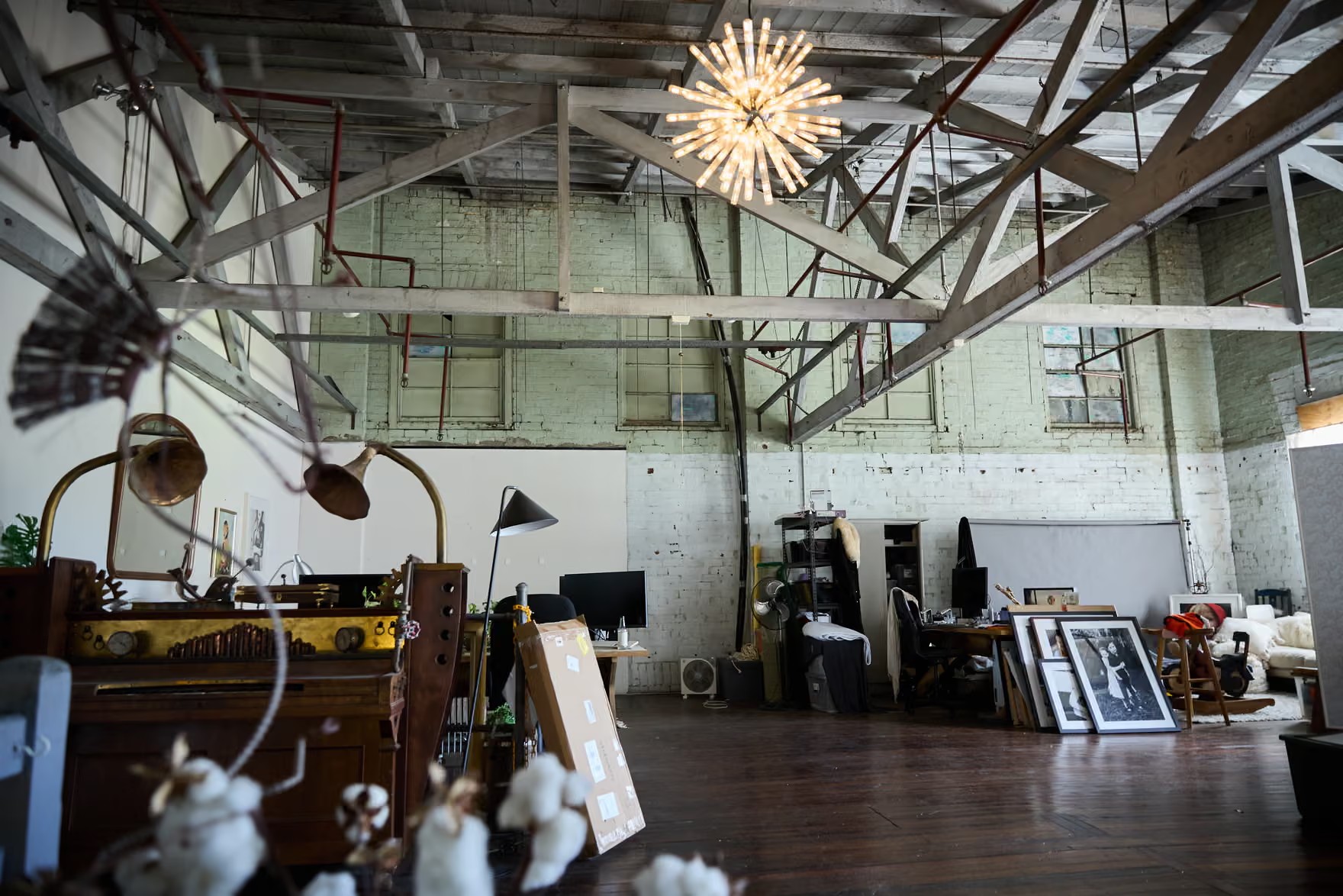
Tortuga Studios has been running for 19 years and provides a hub for artists, designers and craftspeople in Sydney’s inner west. Photograph: Liz Ham/The Guardian
Source: theguardian.com
Zoidberg sees a countercurrent: interest in hands-on traditional art is growing. In Sydney’s west, more people are turning away from social media and AI, and the studio’s workshops are drawing more participants. But he says the trend remains niche and limited to a small area.
I think the unresolved issue is not whether artists can find new audiences offline, but whether the law will make their existing work available to AI companies unless they act first. A government that says unpaid use is theft is now considering a framework that could put the burden of prevention on creators. That is the tension its legislation will have to settle.
Daily AI news
Every day we pick what actually matters in AI and explain it plainly — no hype, no filler. Subscribe if you want to follow where the industry is going.
Only what matters — every day
Follow on X