

Greece’s recovery is part of the pitch
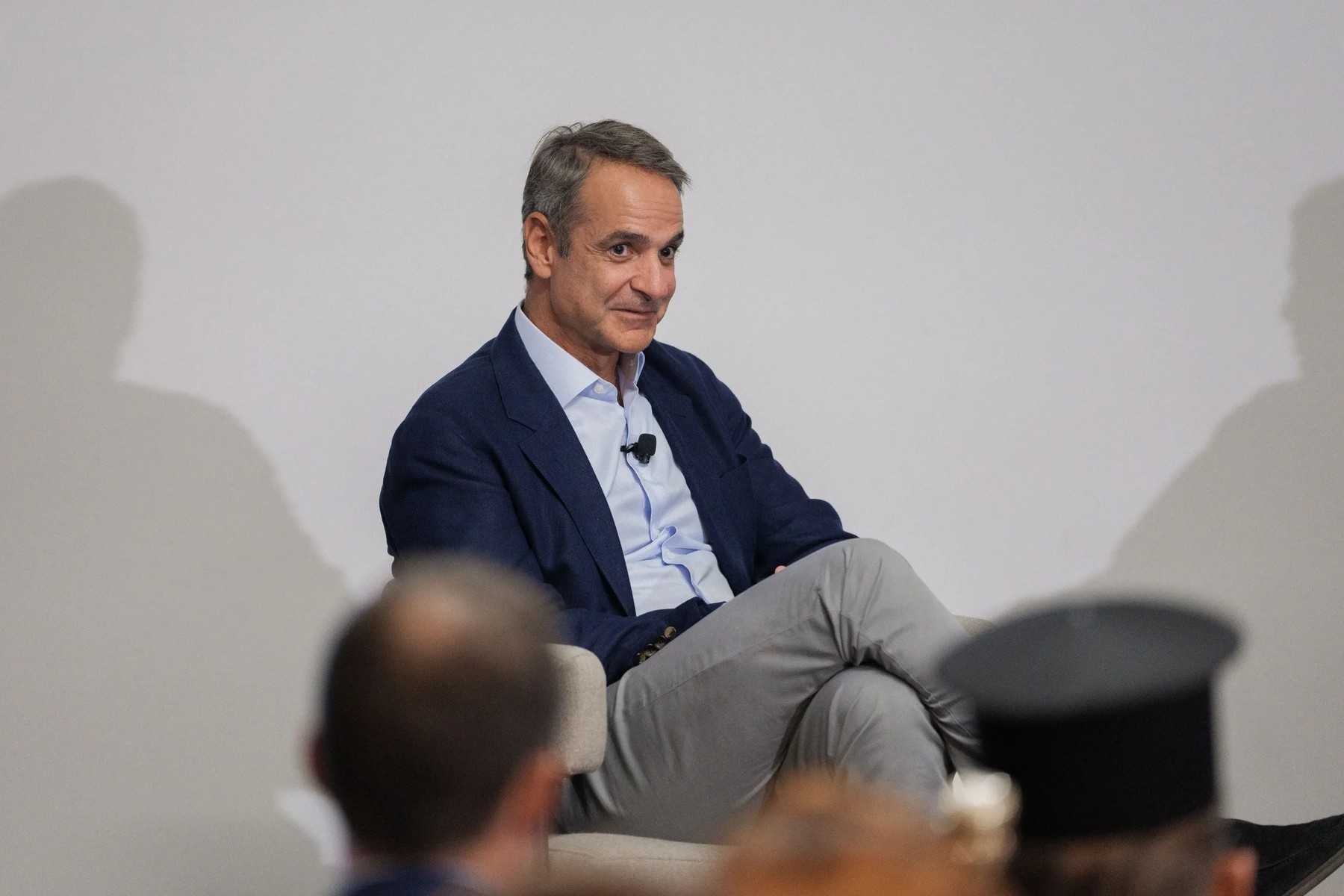
Mitsotakis spoke at an event on San Francisco’s waterfront during a visit that included meetings at Tesla and Sequoia Capital. Greece wants technology companies considering new offices to look at the country, which is expected to regain developed-market status under MSCI next year.
The economic case is a deliberate reversal of the debt-crisis image. Greece is reducing its debt at a record pace and, at the time of publication, its 10-year bond yield was about 4.3%, compared with roughly 5% for US Treasury bonds. Mitsotakis acknowledged that the comparison is not entirely equivalent because eurozone interest rates are lower. In 2012, Greek bond yields exceeded 40%.
Around €36 billion from the European Union’s post-COVID-19 recovery fund has gone into digital infrastructure. That includes:
The government has also changed the taxation of stock options, eased labor rules and offered citizens returning to Greece significantly lower taxes for up to seven years. Visa programs are expanding too, although Mitsotakis said application processing still needs to speed up.
He also highlighted a shift in Greek public universities. Institutions that once took what he called a “radically left approach” and looked down on corporations are now creating startups.
The talent Greece wants back
The broader project is to reverse the talent loss of the debt crisis. Many young Greeks moved abroad because they saw no other option. Mitsotakis believes tighter US rules for work visas could make Greece more attractive to startup founders looking for employees.
That argument is stronger when paired with the country’s new infrastructure, but it also exposes the limit of the pitch. Tax incentives and offices can bring people back; they do not by themselves recreate the research and business networks that people left for.

The AI problem is moving faster
Mitsotakis was more candid when asked about AI’s effect on society. He said he does not yet have a finished plan.
From January next year, Greece will ban social media use by children under 15. Mitsotakis suggested that the policy could already be behind reality because children are becoming dependent on AI chatbots. He wondered what it will mean for children to grow up with digital companions, including virtual boyfriends or girlfriends.
Greece has also run an education pilot with OpenAI intended to reduce teachers’ administrative work. Mitsotakis sees promise in personalized AI tutors, but only if students continue working independently on basic skills. Schoolchildren already use chatbots to complete homework, he said, while people are naturally prone to complacency.
My read is that this is the most revealing part of the visit. Greece is presenting itself as an AI-ready destination while its prime minister is acknowledging that the social policy built for the last digital platform may not fit the next one. The question he leaves open is not whether AI will enter schools, but which forms of dependence schools will still be able to recognize.
Data centers, jobs and a call to slow down
Mitsotakis described Greece as an exception to the growing resistance to AI infrastructure. In many countries, data centers face opposition because of their electricity and water consumption. Greece has so far seen little visible backlash.
Microsoft is building a data-center cluster near Athens. AWS has also announced an agreement with Greece’s largest energy company to build the country’s largest data center in a former coal region, where Mitsotakis said the projects have been welcomed.
He did not offer the usual political reassurance about employment. People being pushed out of jobs is inevitable, he said, and no government or society is prepared for the speed at which it will happen.
Mitsotakis also sided with leaders of advanced AI labs who call for slowing development. If the people building these models say they do not fully understand what is happening inside them, especially their ability to improve themselves, he argued, those warnings deserve attention.
He expects some form of “reasonable regulation” and said the United States will determine many of the main rules. Greece, he added, is ready to host discussions about them.
That invitation fits the country’s wider strategy: use economic recovery, digital infrastructure and a supply of returning specialists to become a place where the AI debate happens. But Mitsotakis’s closing argument was larger than industrial policy. Humanity has created a form of intelligence that is rapidly surpassing the most advanced organ produced by evolution, he said, forcing a renewed examination of what it means to be human.
He wants technologists in that conversation alongside sociologists, philosophers and historians. Athens, where Socrates argued about the good life and a just society in the agora, is being offered as the setting. The tension is that Greece may be able to host the debate before it has found a way to govern the systems that made the debate urgent.
Daily AI news
Every day we pick what actually matters in AI and explain it plainly — no hype, no filler. Subscribe if you want to follow where the industry is going.
Only what matters — every day
Follow on X