From nutrition tool to hospital screening
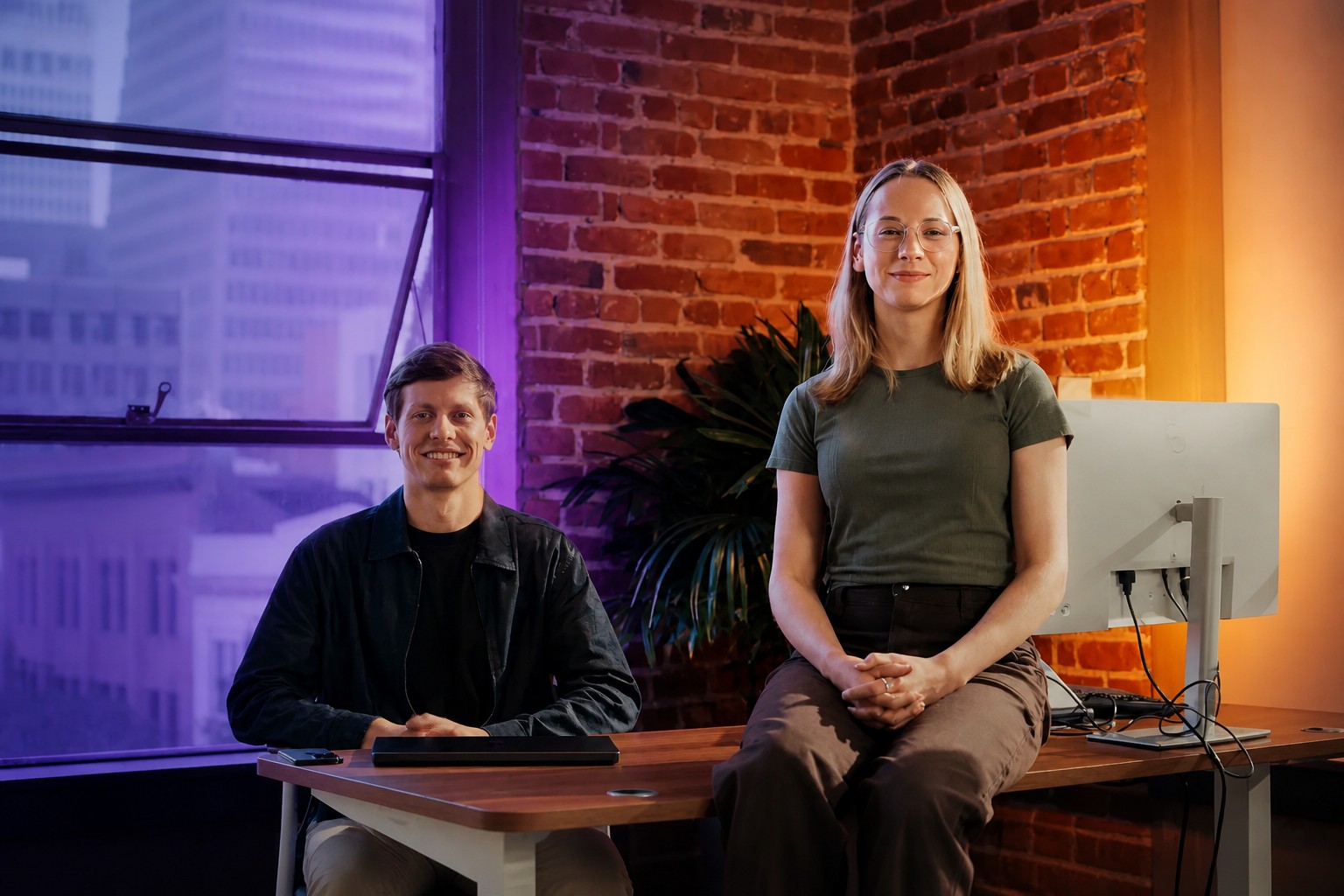
Siblings Jemima and Josiah Meyer founded Healthleap in South Africa in 2022. The company began with a clinical nutrition tool Jemima had developed for dietitians, then shifted to a broader platform for finding conditions that may go unrecognized early in a hospital stay. Josiah Meyer, the company’s CEO and co-founder, described the change to TechCrunch.
The underlying problem is a gap in how medical records are organized. Lab results, weight and vital signs sit in structured fields. Signs such as poor appetite, recent weight or muscle loss, and difficulty swallowing may appear only in clinicians’ notes. Healthleap extracts references to those signs, including evidence that supports or contradicts a concern.
The platform is operating in more than 50 hospitals, screening for malnutrition and delirium. Healthleap has also built programs for aspiration pneumonia, pressure ulcers and the risk of readmission due to congestive heart failure; those programs are undergoing additional clinical validation.
A nightly signal for clinical teams
Healthleap connects to a hospital’s electronic medical record and uses language models to extract information from written notes. It combines that information with structured data, including lab results and vital signs, to score risk and identify patients who may need a closer look. The program flags cases for attention; it does not make diagnoses.
Each night, the system analyzes records for all adult inpatients, including medications, nutrition orders, diagnoses and clinicians’ notes, alongside lab results, vital signs and weight. By morning, risk scores are added to the clinical team’s usual workflow. A dashboard provides further information on how patients’ conditions are changing.
Malnutrition was Healthleap’s starting point. Research puts its prevalence among hospitalized patients at 20% to 50%, and links it in some studies to longer hospital stays, slower wound healing, infections and other complications, as well as higher morbidity and mortality.
The growth story has a financial proof point
Over the past year, Healthleap expanded from three partner hospitals to more than 50. Its customers now include Penn Medicine, Cedars-Sinai, Intermountain, Houston Methodist and Emory Healthcare. Revenue grew more than 10-fold over the same period, Meyer said, without disclosing the amount.
Healthleap sells three-year contracts priced according to a hospital’s number of licensed beds, and also ties payment to outcomes. Meyer said hospital finance teams review and confirm the financial impact attributed to the platform. The company uses that review to guarantee a return many times greater than the contract cost. Every customer has so far confirmed returns of at least five times its costs; in some cases, total annual returns exceeded costs by more than 20 times.
At the Hospital of the University of Pennsylvania, the company says its malnutrition program generated $23.8 million in annual financial impact: $6.3 million in additional reimbursements and $17.5 million in savings from shorter hospital stays.
I think the most consequential question is not how many conditions Healthleap can add, but how much of those reported returns hospitals can consistently attribute to the platform. The company says its customers’ finance teams verify the impact, which is more meaningful than a vendor-only estimate. But the announcement gives no specific method for separating the platform’s contribution from other factors.
Healthleap plans to spend the new funding on engineering, product, sales and customer support, while expanding the list of conditions it detects. Its longer-term goal is to cover more than 40 major diseases and move into outpatient and home care. That expansion would take the company beyond surfacing overlooked risks in hospital records: it would put the same bet on finding them across more of a patient’s care.
Daily AI news
Every day we pick what actually matters in AI and explain it plainly — no hype, no filler. Subscribe if you want to follow where the industry is going.
Only what matters — every day
Follow on X