
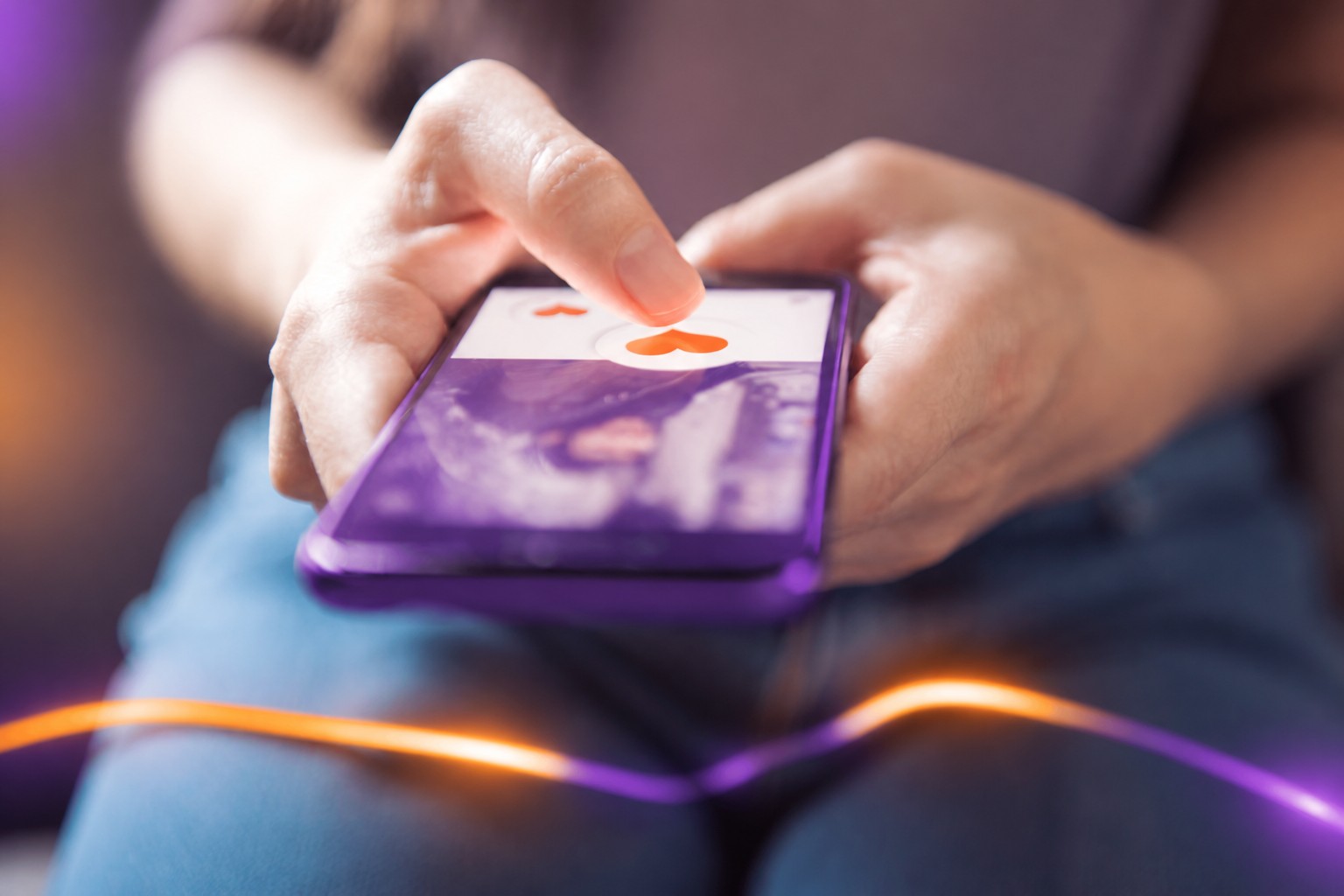
From profile advice to message review
Sam says relying on AI is a bad idea and that he would rather meet people in person. But he thinks dating has shifted: people now expect things to begin online. On apps, he says, a message that lands badly can cost him a chance at a date. Even a simple “Hi, how was your weekend?” can feel like a missed opportunity to start a conversation.
Match’s survey found that people use AI for a range of dating tasks:
Most single people, however, disapprove of using AI to alter photos.
A single mother in New Zealand, who asked not to be named, set up ChatGPT as a dating coach to help her feel more confident. She wanted help staying calm when replies were slow and not rushing relationships. She had barely dated before marrying her former husband.
A 51-year-old man in Melbourne began dating after his 20-year marriage ended. He says AI helped him find his current partner faster: it assessed people he met through an app and helped him check his replies. When the volume of profiles and messages became overwhelming, he started looking for ways to speed up his search.
The chatbot persuaded him to reconsider profiles he was about to pass over. It also kept insisting that his eventual partner suited him, despite her poor photos. When they met at a cafe, he was struck by how beautiful she was.
His partner later told him she had also asked Anthropic’s Claude to analyze his messages. He says she joked that “two Claudes were probably talking behind the scenes.” But using AI to write messages can backfire: about a third of single people in the UK said they would end a date if they learned a potential partner had used AI to write to them.
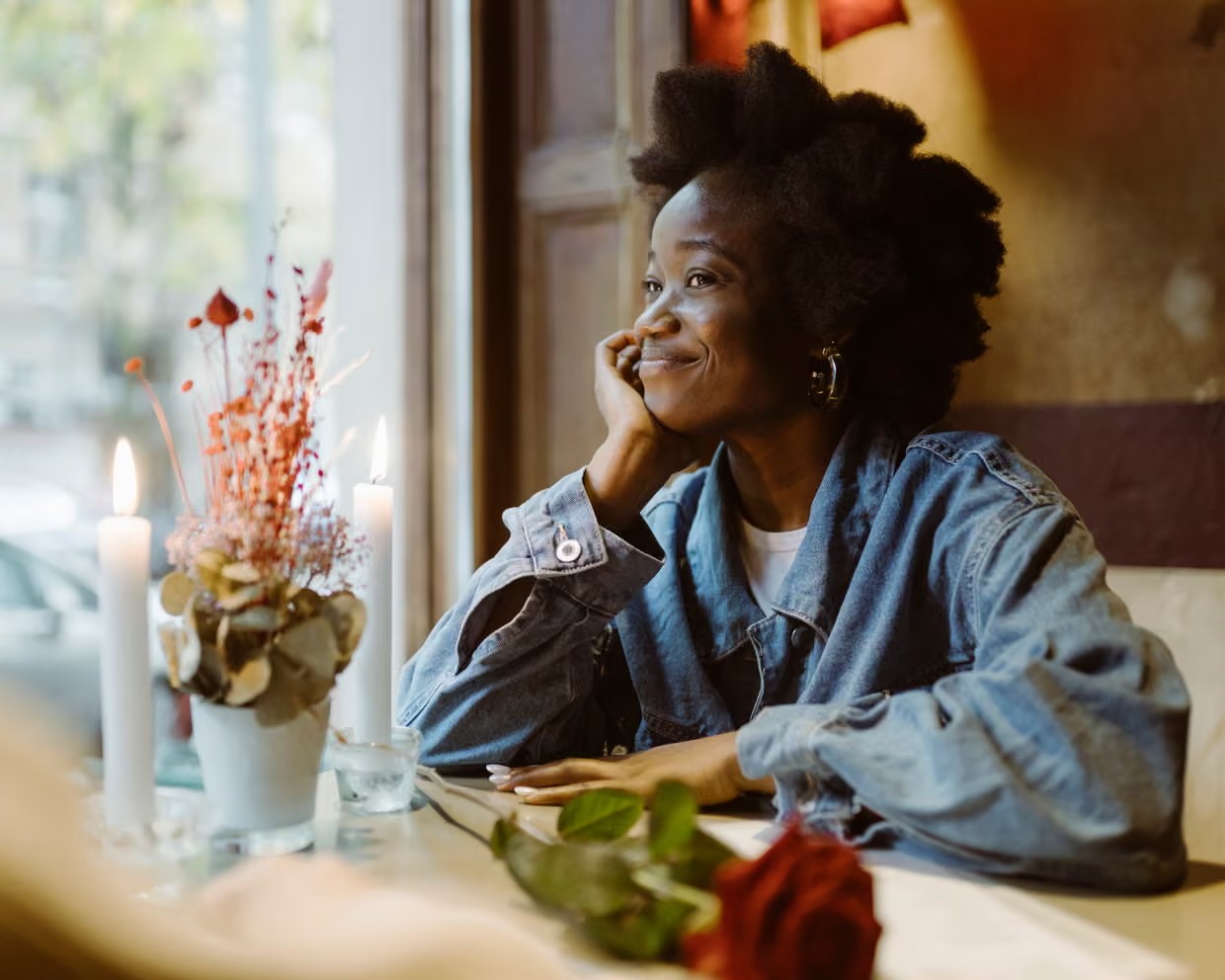
About a third of British singles say they would end a date if they discovered the other person had used AI to write their messages. Photograph: Maskot/Getty Images
Source: theguardian.com
What happens after the date
Only 7% of Match survey respondents discuss how a date went with a chatbot. More share their impressions in a group chat, at 29%, or with their parents, at 20%.
Dec, a 31-year-old Londoner, uses ChatGPT as a sounding board for messages with men. He says he uploads dating-app conversations and asks, “Tell me what red flags you see here” and “What does this connection look like?”
The chatbot has helped him go on several dates, but Dec worries that his brain is “rotting” because people now hand everything to AI. Sometimes, he says, the bot simply agrees with him. He also suspects that the technology is pulling people away from one another. Unlike the previous generation, who might gather at home or in a pub to talk through their personal lives, people now share less face to face.
More than a quarter of survey respondents liked the idea of AI agents talking to each other first and then reporting back to their human users. Most, however, found the idea unacceptable. Match’s head of trust and safety, Yoel Roth, says the company opposes bot-to-bot dating. People already feel more isolated and have a stronger need for closeness, he says; robots talking to robots will not bring them nearer to human connection.
I think the tension is not whether AI can make dating more efficient. It already helps some people get past a blank message or an intimidating profile. The harder question is whether that support leaves room for the awkwardness that makes a connection feel personal. Sam puts the limit simply: if AI replaces his sense of humor, he will stop being himself.
Daily AI news
Every day we pick what actually matters in AI and explain it plainly — no hype, no filler. Subscribe if you want to follow where the industry is going.
Only what matters — every day
Follow on X