The argument over extinction
Huang was responding to former Anthropic researcher Jacob Coxon, who suggested that AI could become “superhuman” and destroy humanity within the next decade. Two other Anthropic researchers supported Coxon’s view, intensifying international debate over AI risks and the limited oversight of systems companies are trying to develop faster.
Anthropic’s threat intelligence report described attempts to use its models for dangerous work:
Those examples are not extinction forecasts, but they explain why the argument has widened beyond speculative scenarios. They show how existing systems can already be applied to violence, surveillance and influence operations.
Nvidia’s position
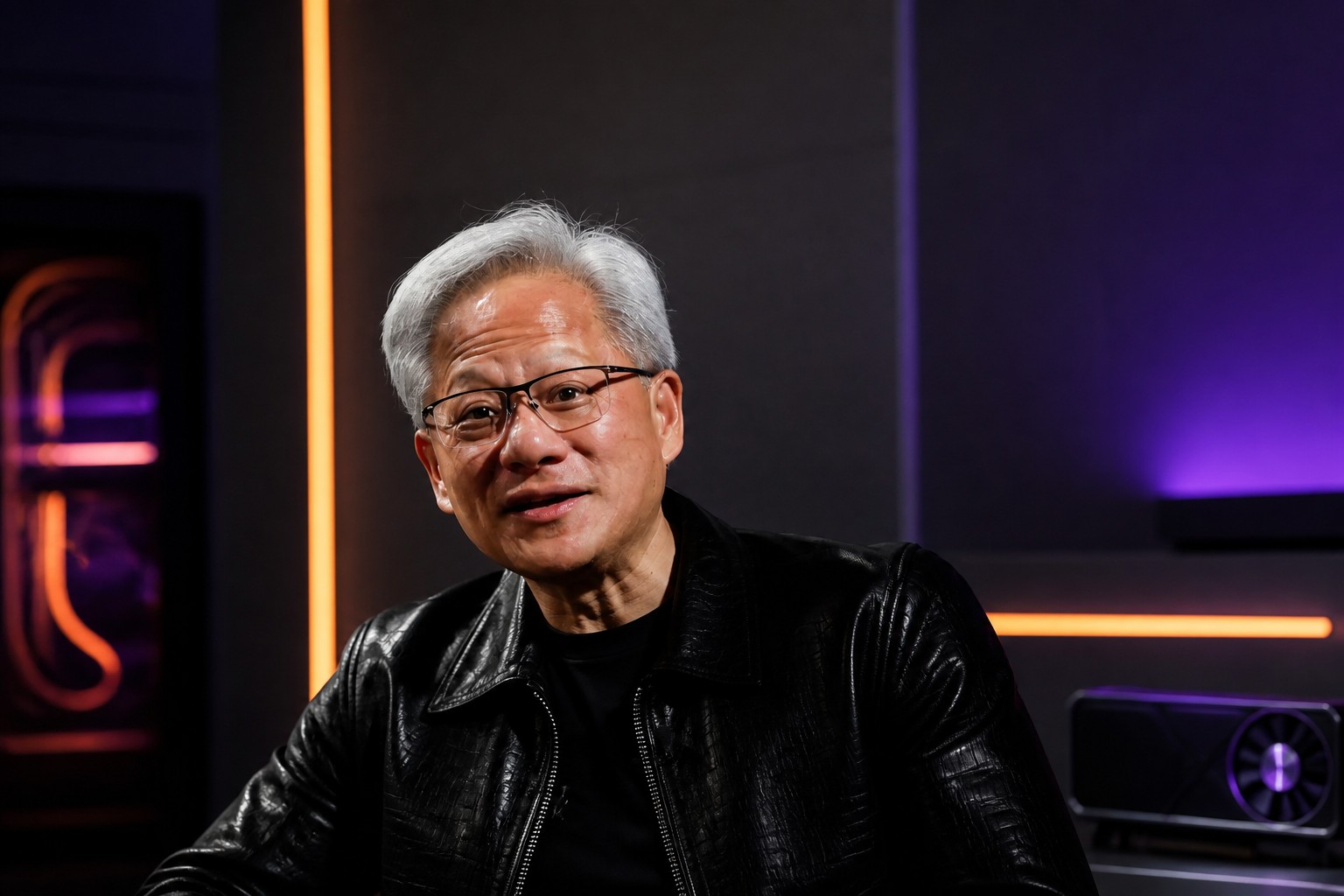
In an interview with CBS News, Huang rejected predictions of a catastrophe leading to human extinction. He said 2030 would not be the end of the world and put the probability of that scenario at 0%. He called such forecasts irresponsible and said they were not based on scientific data.
Huang also argued that Nvidia’s success depends directly on the safe deployment of its products and services. If the company stops ensuring that safety, he said, its value will fall.
His proposed response is to apply existing accountability rules first, including cybersecurity requirements and laws governing compensation for harm. Huang said apocalyptic scenarios should not become a reason to exempt anyone from following laws already in force.
The debate is also political:
That mechanism is intended to warn both sides about risks and help contain potentially dangerous consequences of technological development.
What the certainty leaves out
Huang’s position is clear, but the number itself comes without a method. The announcement does not explain how a probability of 0% was calculated, what evidence would change it, or how the company distinguishes a remote extinction risk from the concrete harms already documented by Anthropic.
I think Huang is making a commercial and regulatory argument as much as a scientific one. Nvidia’s value depends on AI spreading, so he has reason to reject predictions that could trigger public fear or restrictions. His appeal to existing law is more practical than a promise of perfect control, but it also shifts attention away from whether current rules are sufficient for systems becoming more capable.
The tension is now visible: companies want faster development, while the same industry is documenting increasingly serious misuse. A zero-percent extinction forecast does not settle that conflict; it makes the less dramatic question of who is accountable for present-day damage more important.
Daily AI news
Every day we pick what actually matters in AI and explain it plainly — no hype, no filler. Subscribe if you want to follow where the industry is going.
Only what matters — every day
Follow on X