
Why the case stays open
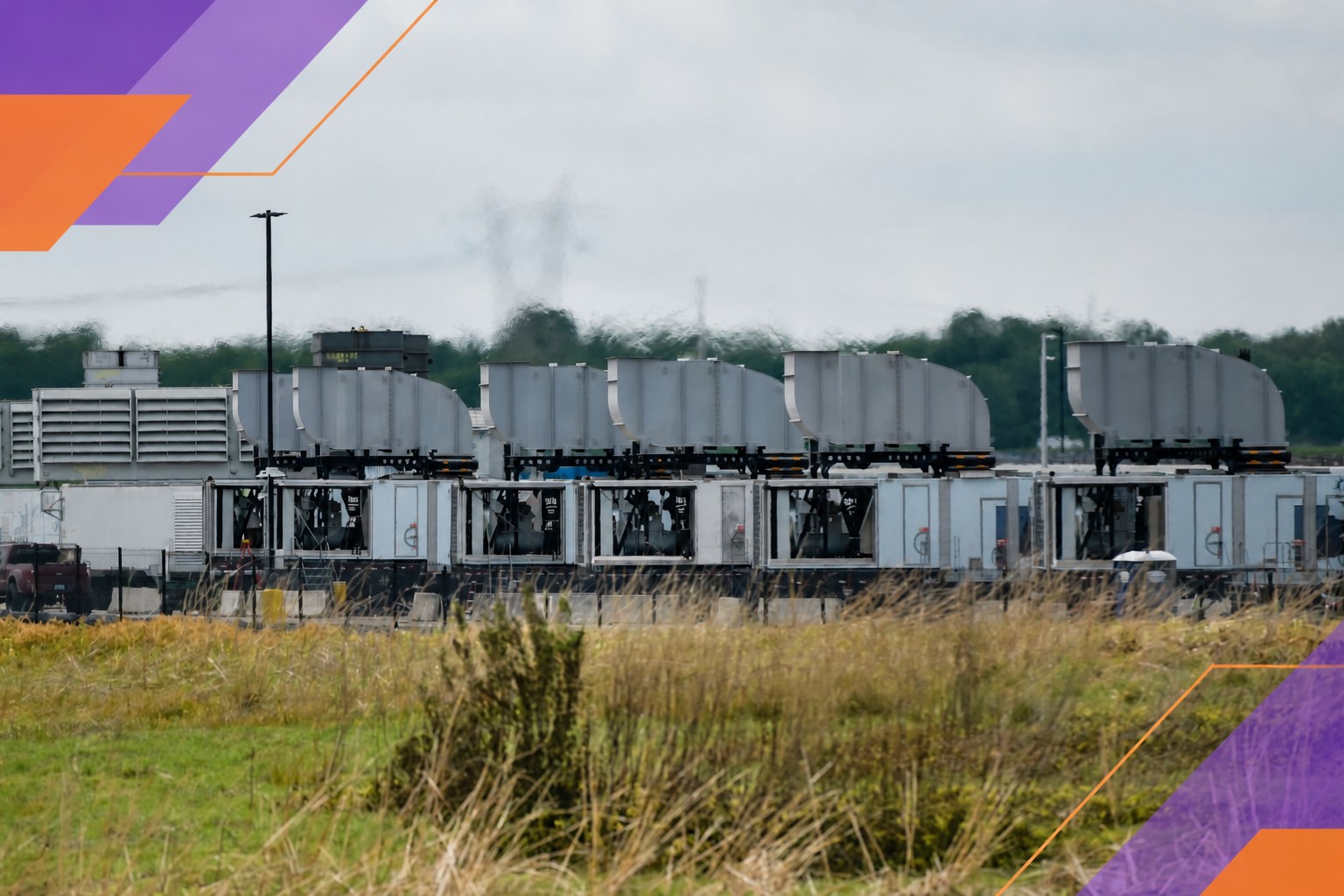
The Southern Environmental Law Center, which represents the NAACP, accused xAI of violating the Clean Air Act. xAI argued that the turbines were mobile and therefore not subject to permit requirements. It also said the plaintiffs had no standing to sue.
Judge Debra M. Brown rejected those arguments. She found that the plaintiffs could bring a Clean Air Act claim and that, under Mississippi’s plan for implementing the law, the turbines do not qualify as mobile sources of pollution.
Brown also rejected xAI’s claim that this kind of citizen lawsuit is unconstitutional. The plaintiffs are suing on their own behalf, she said, to protect their own interests and seek penalties meant to compensate for harm to them. That does not make them agents exercising the federal government’s executive power, nor does it violate Article II of the Constitution or the nondelegation doctrine.
A case about permits, not just emissions
The ruling does not resolve whether xAI violated the law. It means the NAACP’s claims will be heard, including whether the turbines needed permits.
NAACP director of environmental and climate justice Abre’ Conner called the decision another important victory in the effort to hold xAI accountable. Earlier this month, a court also rejected a similar motion by the U.S. Department of Justice to dismiss the case.
Conner said courts had repeatedly rejected attempts by xAI and the Justice Department to shut down the NAACP’s Clean Air Act lawsuit, affirming the organization’s right to seek justice for communities affected by pollution. The NAACP’s position, she said, remains that xAI cannot operate gas turbines without the required permits.
TechCrunch sought comment from SpaceX.
The wider fight over data centers
The lawsuit is unfolding amid growing public opposition to data centers. New York recently imposed a moratorium on new data center construction, while officials in other states and local governments are considering similar measures.
Public discontent has also prompted Amazon and Microsoft to promise they will stop using nondisclosure agreements in their work with government agencies. Protests against data centers could become a significant factor in the upcoming U.S. midterm elections.
I think the case’s significance lies less in what it has decided than in what it leaves unresolved: whether a data center’s power infrastructure can operate first and settle its permitting status in court later. The answer now depends on a trial, while opposition to data center construction is spreading beyond this one site.
Daily AI news
Every day we pick what actually matters in AI and explain it plainly — no hype, no filler. Subscribe if you want to follow where the industry is going.
Only what matters — every day
Follow on X