
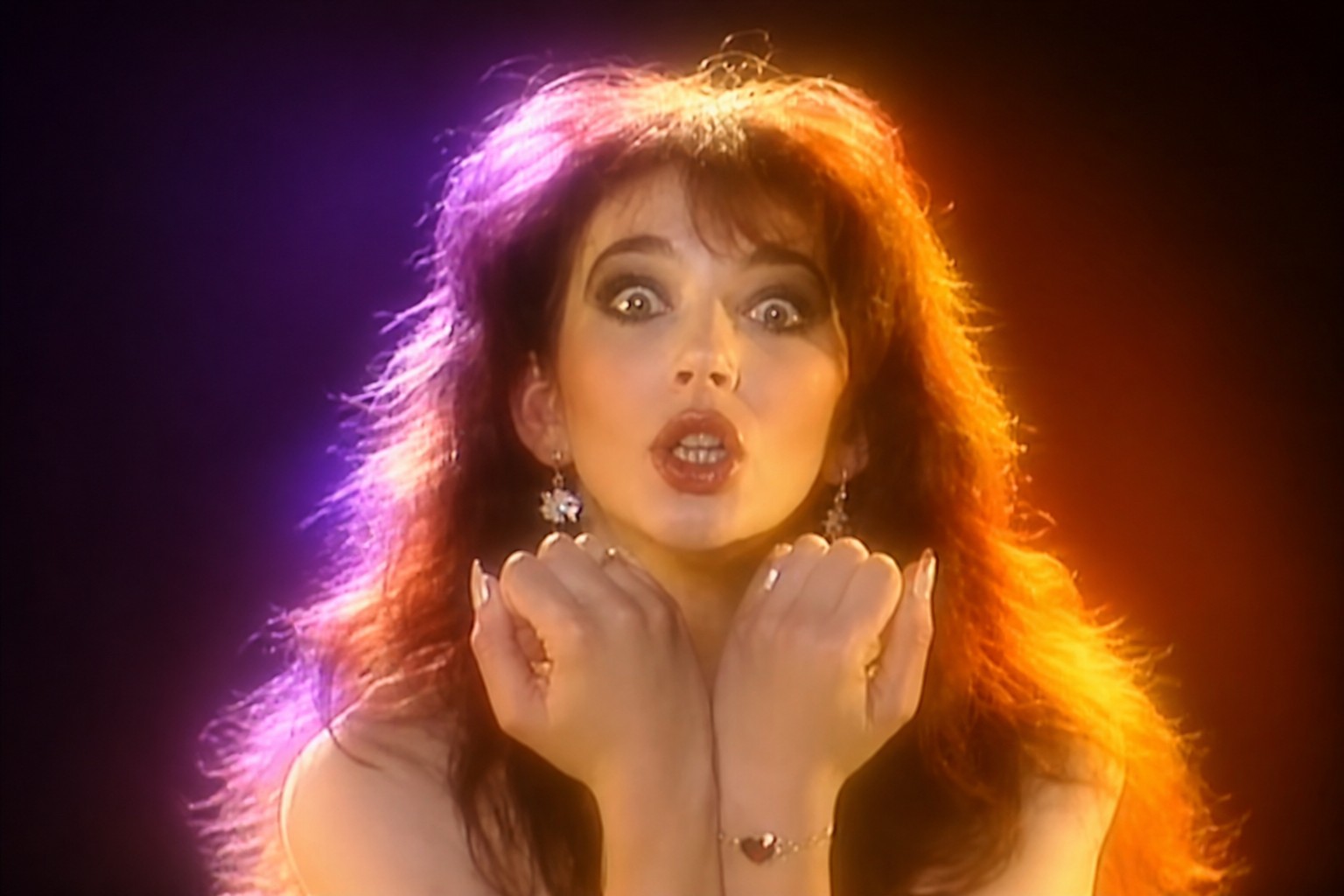
Kate Bush, Grace Jones, Sir Ian Rankin and more than 7,000 other people in the arts and creative professions have urged the Australian government not to weaken copyright law to train AI models. They want their work used for training only with the explicit permission of rights holders. The appeal was published on the day an Australian parliamentary committee released a report with recommendations for copyright reform. Most committee members proposed strengthening protections for rights holders and making it easier for companies training large language models to pay them.
Kate Bush and Grace Jones urge Australia to protect copyright from AI
Campaign against weakening the law
The international appeal is part of a broader pushback against demands from AI companies to change copyright rules. In Australia, musicians and artists fear that weakening the law would allow material from around the world to be used to train models.
In their statement, campaign participants call on the Australian authorities not to allow works to be used for model training without the creators’ consent. The campaign was organised by Ed Newton-Rex, a former technology company executive. Signatories include writers Joanne Harris and Bonnie Garmus, poet Andrew Motion, artists Tim Flach, Maia Kobabe and Woodrow Phoenix, and musicians Andrea Triana, Steve Jones and Anthony Phillips.
Last week, Elton John backed the Not AI’s To Take campaign. Its participants, representatives of Australia’s creative professions, oppose changes to copyright law.
Prime Minister Anthony Albanese has previously said that not paying for creative work would be “theft”. Some AI companies, however, argue that the current rules make it difficult to reach individual licensing agreements. They also say they need clarity on copyright to invest in Australia and train models there.
Anthropic has proposed an opt-out model: the company could collect creative works for training unless a rights holder objects in advance.
Parliamentary committee recommendations
On Tuesday, the parliament’s Joint Standing Committee on AI released a 400-page report. It includes dozens of recommendations on issues ranging from data centres to online safety rules. A substantial section is devoted to copyright.
Most committee members, with a few exceptions including independent Senator David Pocock, proposed “strengthening copyright protection in Australia”. Recommendations include developing a mechanism to make payments from companies training advanced and other large language models in the country to Australian rights holders and creators simpler and fairer.
The committee also proposed giving companies “incentives” to encourage them to reach agreements with rights holders. The report was prepared under the leadership of Labor MP Jo Briskey.
However, organisations representing rights holders do not consider changes to the law necessary. Music publishing organisation Apra Amcos and the Australian Recording Industry Association, Aria, dispute the case for reform. Apra Amcos chief executive Dean Ormston told Guardian Australia that the current copyright system is working well, and that the problem is getting companies to negotiate.
Pocock expressed serious concern about possible changes and called for a three-year moratorium. In his view, the law should not be rushed into revision to benefit AI companies.
Dataist’s take: the dispute is not only about the terms for training models, but also about who should negotiate the use of creative works and pay for it. The committee proposes making those deals easier, while some rights holders say the obstacle is companies’ unwillingness to negotiate, not the law itself.
Daily AI news
Every day we pick what actually matters in AI and explain it plainly — no hype, no filler. Subscribe if you want to follow where the industry is going.
Only what matters — every day
Follow on X