What the gift funds
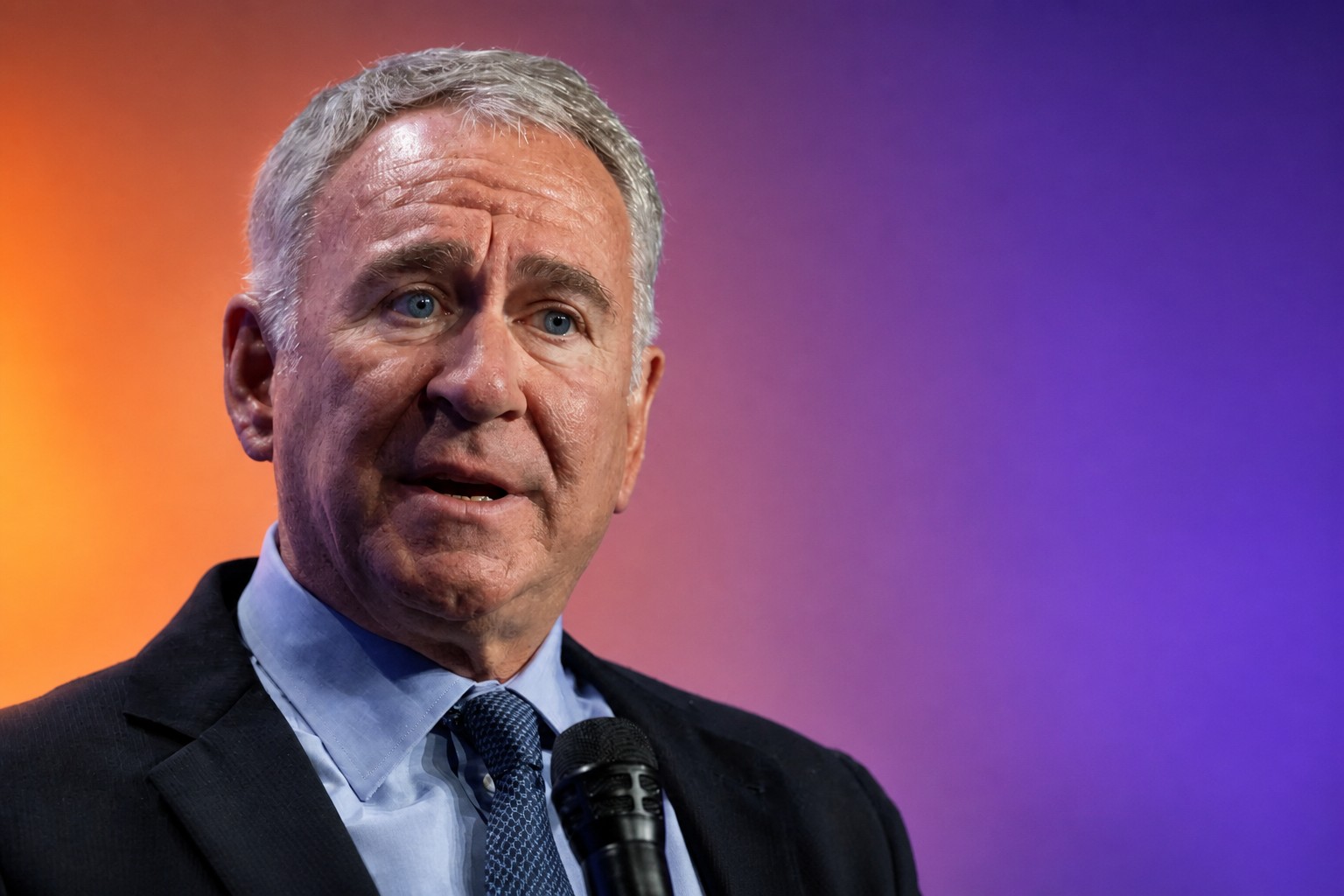
Griffin, 57, is Citadel’s founder and CEO. Part of the donation will support Carnegie Mellon’s expansion in Miami, where he lives and where Citadel is now headquartered. The rest will go to university priorities in Pittsburgh, including recruiting prominent researchers and making education more affordable.
The Miami campus is expected to serve more than 3,500 undergraduate, graduate and doctoral students, with nearly 300 faculty members and more than 600 staff. Construction is planned to begin in 2027.
Carnegie Mellon will direct $1 billion to its computer science school and other priorities, including student financial aid. The school will be named the Kenneth C Griffin School of Computer Science. Carnegie Mellon president Farnam Jahanian said the university has historically responded to major technological shifts with new approaches to thinking and problem-solving. He described AI as one of the defining intellectual fields of the present, requiring universities to reconsider teaching, research and collaboration.
The university is known for computer science, AI, robotics and the performing arts. Its computer science school ranks first in the US among undergraduate programs in the field.
A campus organized around public problems
Rather than build the Miami curriculum around traditional academic disciplines, Carnegie Mellon says it will organize learning around public challenges. The four planned areas are:
The expansion also fits Griffin’s broader investment in Miami and South Florida. Citadel moved its headquarters from Chicago to Miami in 2022. Since then, Griffin has increased his investment in the region to about $2.4 billion, Reuters reports. His support has gone to a Miami charter-school network, the University of Miami, Miami Dade College, public schools and math education programs.
The influence that comes with the money
Griffin, whose wealth Forbes estimates at about $58 billion, will join Carnegie Mellon’s board of trustees. The board already includes billionaire alumnus David Tepper, who has also donated to the university.
The announcement came a week after Nike co-founder Phil Knight gave $1 billion to establish an engineering college at the University of Oregon. More broadly, universities are turning to wealthy donors to build science and technology programs as AI reshapes the economy. The gifts bring a question with them: how much influence should individual donors have over higher education?
I think the campus plan makes that question unusually concrete. Carnegie Mellon is not only accepting money for buildings and research; it is framing an entire campus around selected public priorities, while giving its largest donor a board seat and naming the computer science school after him. The announcement does not say how the university will protect academic decisions from donor influence. That silence matters most as the new campus turns its priorities into courses, research and hiring.
Daily AI news
Every day we pick what actually matters in AI and explain it plainly — no hype, no filler. Subscribe if you want to follow where the industry is going.
Only what matters — every day
Follow on X