
A book built from the industry's own history
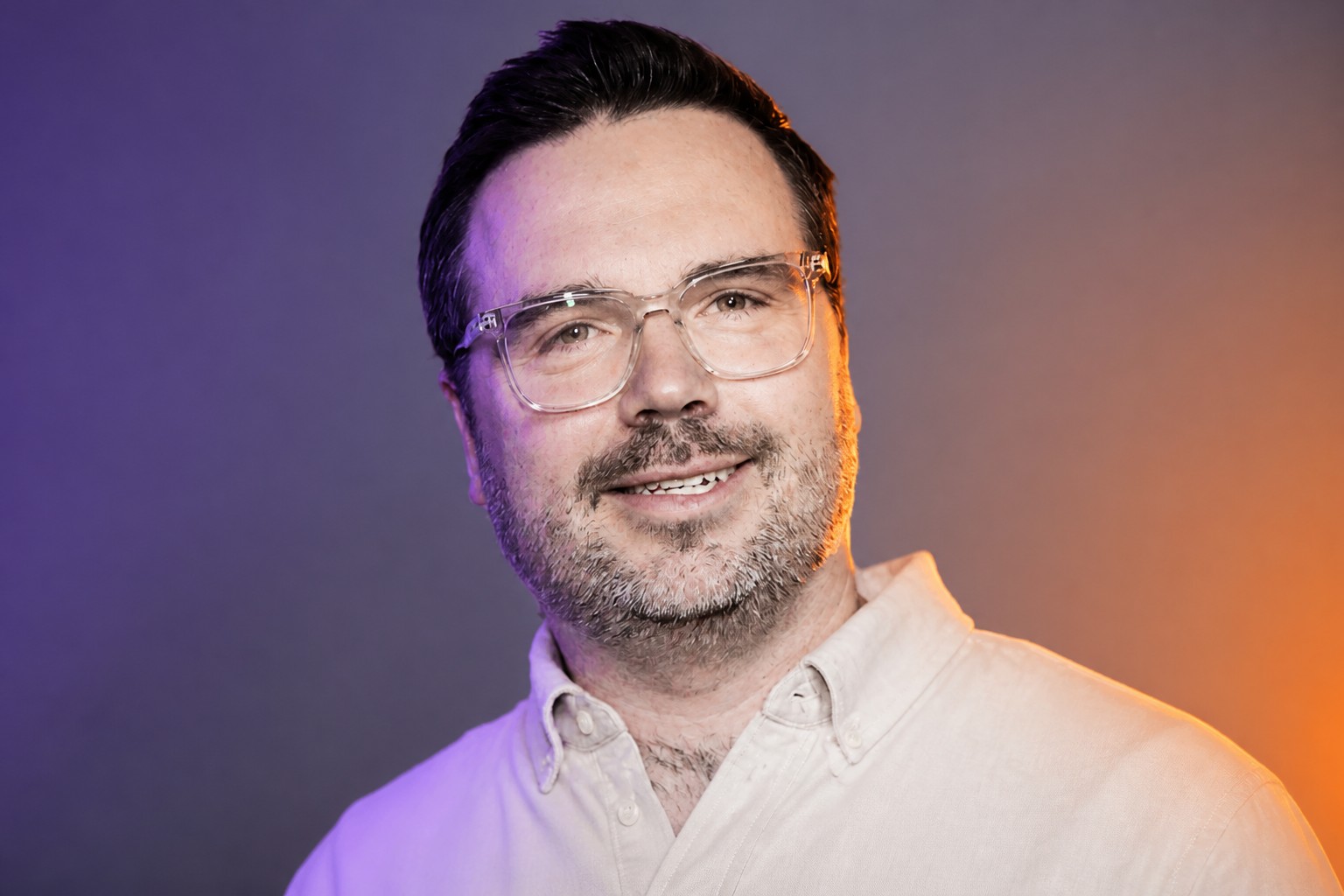
Roose, a former New York Times columnist and podcast host, began the project in early 2025. He had covered AI for years, but said he had not stepped back to see the whole story: companies racing to build machine superintelligence, and people who once worked together becoming rivals.
His book, The Thinking Machine, follows OpenAI, Anthropic and Google. Roose said the industry’s history was more intimate and antagonistic than he expected. He had thought of the companies as something like Coca-Cola and Pepsi; instead, he described them as “mortal enemies.”
The book also records how the people building AI explain the race to themselves. Roose said some leaders believe that if a powerful system is inevitable, it is better for a team focused on safety to build it first. He does not say he fully agrees with that argument.
That tension—between the stated need for caution and the decision to keep building—is part of what makes the history worth preserving. Roose worried that the record might otherwise disappear into automatically deleted Signal and Slack messages.
AI as a reporting tool, not a byline
Roose used NotebookLM to search a large collection of interview transcripts, articles and research papers. He also used AI to organize notes, help check facts and identify people involved in decisions. A group of AI agents reviewed the book alongside a human fact-checker; Roose said they found several issues both he and the editor had missed.
He also assembled what he called a “Claude council”: several Claude instances assigned different perspectives. One was a skeptic of language models, asked to flag places where Roose appeared to attribute human qualities to a model. Another took the perspective of a futurist in the style of Ray Kurzweil.
Some feedback was wasted effort, Roose said, but some prompted revisions. His distinction is clear: AI helped with parts of the reporting and editing process; he says the book itself was written by a person.
Roose also argued that journalism should test these tools for work that extends reporting, rather than use them to fill websites with low-quality text. He pointed to document analysis and satellite imagery as examples of work journalists can do at a scale that was previously impossible.
What the tool cannot establish
Roose’s account is useful because it names specific tasks, not because it settles the authorship debate. He said readers often rate AI-generated writing highly when they do not know its source, then like it less once told it was produced by AI. His explanation is psychological: readers want to believe a person worked for them and that the text reflects a genuine point of view.
I think the more interesting question is not whether AI touched a book, but whether readers can tell what it did—and whether disclosure gives them enough information to judge the work. Roose’s description offers a start: search, organization, fact-checking and criticism. It does not tell us how much each contribution changed the finished book.
That gap matters for newsrooms, too. Roose wants more organizations to experiment with AI, but the useful dividing line is not simply human versus machine. It is whether the work remains accountable to a reporter who can explain what the tools did, what they missed and what the reporter chose to keep.
Daily AI news
Every day we pick what actually matters in AI and explain it plainly — no hype, no filler. Subscribe if you want to follow where the industry is going.
Only what matters — every day
Follow on X