

What the glasses do
Traditional hearing aids can be expensive, uncomfortable and a source of self-consciousness. Directional microphones in conventional devices can also struggle in noisy settings. Legato says its system separates voices from other sounds, amplifies speech and suppresses noise.
The open-frame design does not mean people nearby hear the audio. Two speakers direct sound toward the wearer, and the system reduces sound escaping outward. The company says volume drops by 99% a few centimeters from the ear.
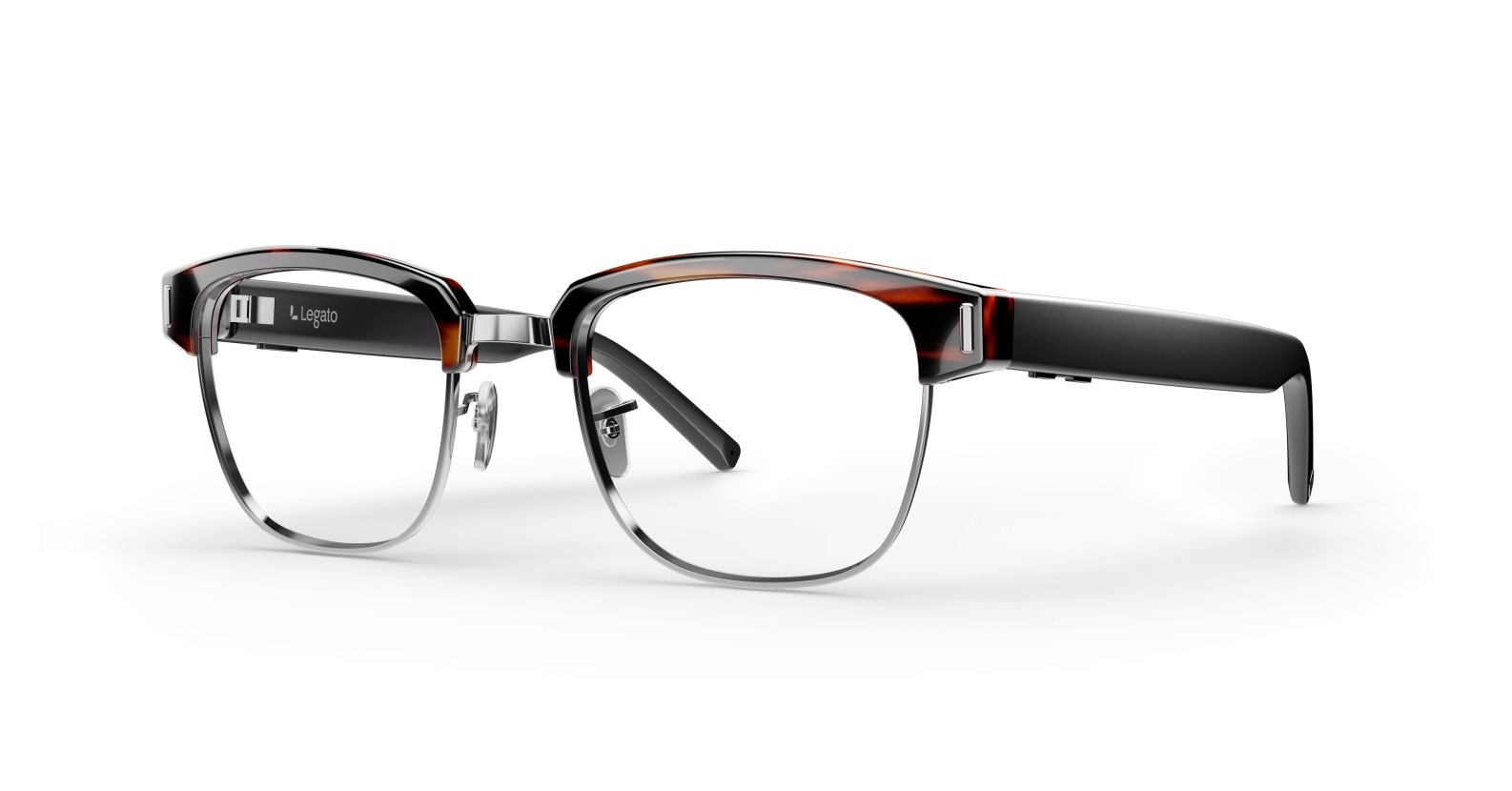
The glasses weigh 34 grams with lenses, and their battery lasts 10–12 hours. Legato Frames come in three frame styles, support prescription lenses and can stream music and calls over Bluetooth. All computing happens on the glasses, and Legato says they have no cameras and do not record audio.
The product is now sold on Legato’s website and through some US vision-care professionals. Customers can pay with vision insurance.
A launch built on experience
Legato officially launched a few weeks after emerging from stealth and announcing it had raised $12 million. Neotribe Ventures, Listen and Village Global participated in the round.
The company was founded in 2024 by Mehul Trivedi and Steve Romine. Both previously worked at Bose: Trivedi led development of Bose Frames, while Romine headed its hearing-aid division. Trivedi later joined EssilorLuxottica, where he was responsible for smart glasses and worked on Meta Ray-Ban. Romine became chief operating officer at hearing-care company Audicus.
They later joined forces to explore the overlap between hearing technology and smart glasses. That background makes Legato’s product more than a generic wearable with audio features: its founders have worked on both sides of the problem.
I think the more consequential test is not whether the frames can amplify speech, but whether people who need hearing support will choose them over dedicated devices. Legato’s claims about sound leakage and on-device processing address two practical concerns, but the announcement says little about performance in real-world noisy environments. The glasses’ appeal rests on making hearing support feel like ordinary eyewear; proving that convenience does not come at the cost of useful hearing assistance is the harder part.
Daily AI news
Every day we pick what actually matters in AI and explain it plainly — no hype, no filler. Subscribe if you want to follow where the industry is going.
Only what matters — every day
Follow on X