
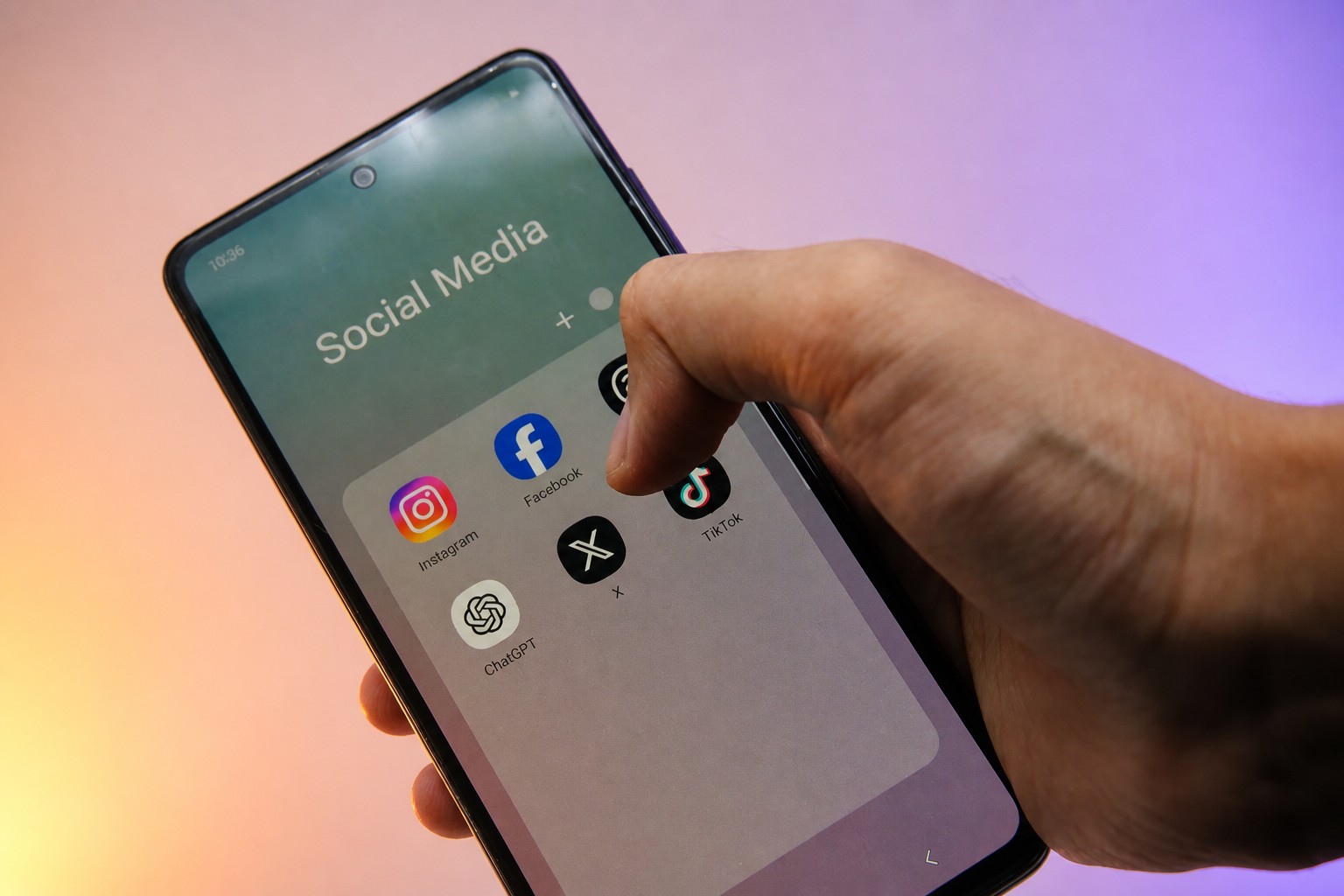
According to Pangram, LinkedIn accounted for 62% of all the AI-generated content it identified across LinkedIn, X/Twitter, Reddit and Substack — more than the other three platforms put together. The responses now on offer diverge sharply. Meta, TikTok and X/Twitter attach labels to the content. Pinterest gives users a dial to see less of it. LinkedIn has built a button that lets readers tell an author his post looks machine-made, and then leaves the post up.
The figures framing the survey: 1 million posts checked, 50% of articles on X/Twitter involving AI, 35% of recently published websites involving AI, and a Pew Research Center estimate of 10%. That last number arrives without a stated denominator — what the 10% is 10% of is not specified anywhere in the material, which is a good early warning about how loosely this whole category is being measured.
LinkedIn, where the concentration is highest, has chosen the softest instrument. The company says it does not want "AI slop" on the platform and has published guidance for users. A new "Seems like AI slop" option lets people report posts they believe were machine-generated. LinkedIn defines AI slop as material with no clear point of view, no distinctive perspective and no substantive meaning. An author can also receive feedback marked "Seems like AI". The post is not taken down — the feature exists to show the author how the LinkedIn community reads the material. LinkedIn considers AI-assisted content acceptable when it adds value or reinforces and demonstrates a person's real knowledge and experience.
Meta is doing the opposite thing. On Facebook, Instagram and Threads, an AI label appears when Meta's systems detect the relevant signals in an organic post. The threshold is low enough to include photo-editing tools: if such a tool uses AI to change an image's color or size, the material can be labeled. Meta has also launched Meta AI Detection, which helps determine whether a photo or video was made with AI tools. And it labels accounts, not just posts — an "AI creator" tag can be attached to accounts that mostly produce and publish generative AI content, and it can appear next to those accounts' posts on Instagram and Facebook.
TikTok has gone furthest toward obligation. It groups AI-made images, video and audio under the term AIGC and requires creators to label any AIGC that could look realistic, while also recommending disclosure when material has been substantially edited or altered. Creators can mark AIGC themselves in three ways: adding text, adding a hashtag sticker, or stating it in the TikTok description. Beyond that, TikTok applies a "creator labeled as AI-generated" tag, and an automatic "AI-generated" label can appear when a creator has used TikTok's AI-based effects.
X/Twitter has expanded its "Made with AI" labels for AI-generated posts and strengthened Community Notes, through which users add context, corrections and additional information so others can better judge what they are reading.
Pinterest is the only one addressing the demand side. Pinterest GenAI lets users control how much generative AI content appears in their feed, dialing it down in categories including art, beauty, food and drink, health, home decor and other sections; the setting lives under Settings > Refine your recommendations > GenAI interests. Pinterest also introduced a new model that optimizes how users perceive material created or modified by AI, and it removes spammy AI-made pins when it detects them or receives complaints.
Pinterest also supplied the only number in this set that is a business argument rather than a policy statement: creator content is saved 45% more often than any other content on the platform. That is the tell. A platform that has measured a retention gap in favor of creator content has a commercial reason to let users turn AI down, and the dial costs it nothing. The platforms without that measurement are the ones reaching for badges.
The deeper problem is that these systems are not labeling the same thing. Meta's trigger is provenance — a machine touched this file, even if all it did was adjust a color. LinkedIn's trigger is quality — it explicitly permits AI-assisted posts that demonstrate real expertise and objects only to material with nothing inside it. Those are incompatible bases for a single user-facing signal, and a user who encounters both will learn that the badge tells him very little. A mark that covers a resized photograph and a fully synthetic essay is not a warning; it is a footnote about tooling.
Which is why the detection numbers cut against the labeling strategy rather than supporting it. A signal that applies to half the articles on X/Twitter and to 35% of recently published websites is not flagging an exception — it is describing the medium. Labels work when the labeled thing is rare. The platforms building dials instead of badges appear to have worked that out first.