
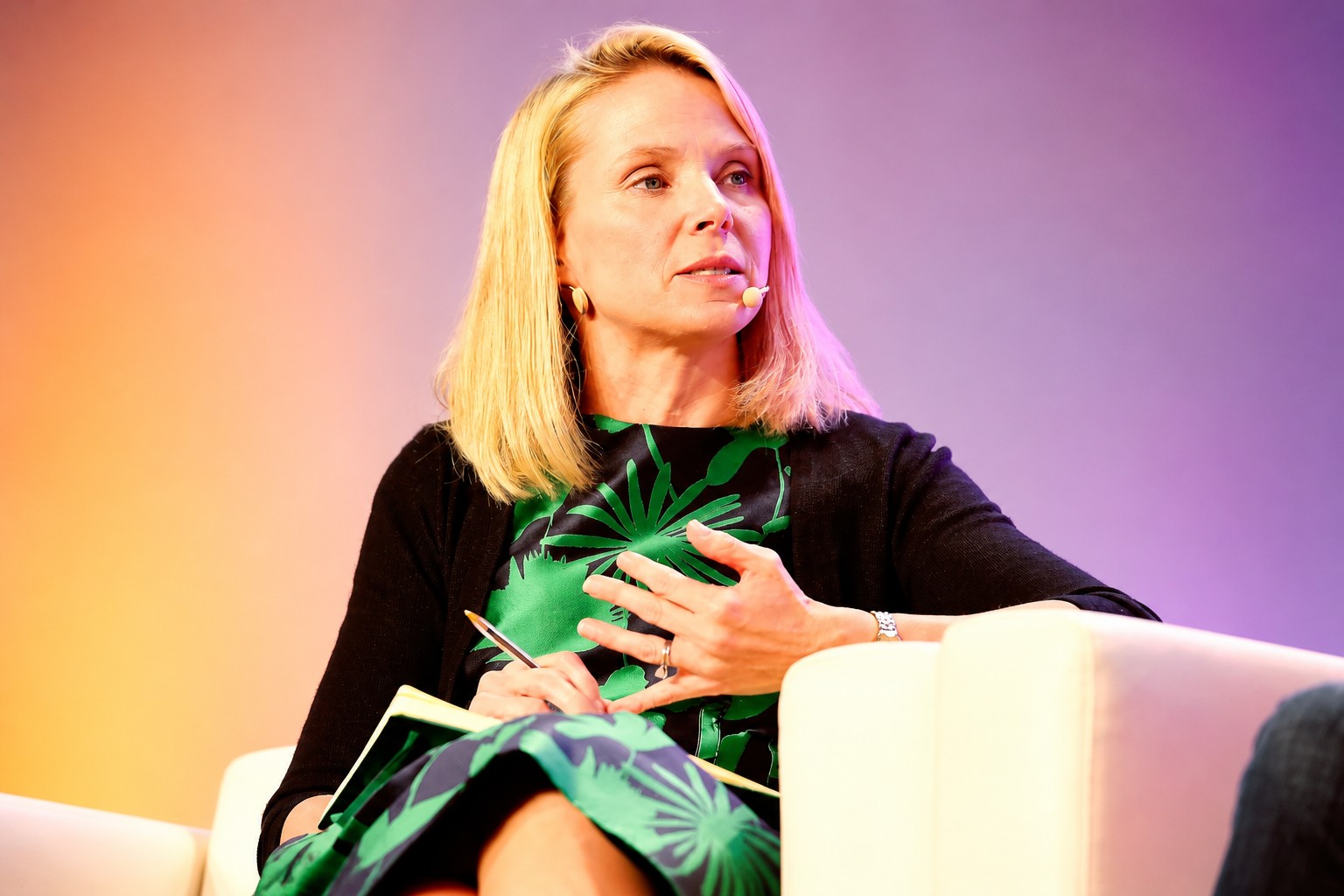
A personal assistant built around photos
Mayer told The New York Times that Dazzle analyzes a user’s camera roll to learn what they like and what they find beautiful. She thinks women may be especially interested in image-based AI, saying they tend to take more photos and process visual information better.
Since founding Dazzle, which she calls “one of my children,” Mayer has also used it to plan sleepovers and organize her children’s birthday parties. She says the assistant has improved both the get-togethers and the trips.
For her son McAllister’s 14th birthday, Dazzle proposed a glow-in-the-dark theme, complete with illuminated pool toys and cornhole equipment with phosphorescent elements. Her son did not want a party with such an emphatic theme. Mayer acknowledged that she could not resist the idea.
The assistant’s taste is part of the test
I think the birthday story says more about Dazzle’s limits than its planning ability. The system produced a coherent idea; the problem was that it did not match what the person being celebrated wanted. For an assistant meant to learn its user’s preferences, that mismatch is the useful detail.
What I’d want to know is how Dazzle distinguishes a user’s aesthetic from the preferences of everyone affected by a plan. The account describes an assistant that learns from one person’s photos and helps organize events for a family. Those are not always the same audience. If Dazzle is to make delegation feel easier, its read of the organizer cannot be the only read that matters.
Daily AI news
Every day we pick what actually matters in AI and explain it plainly — no hype, no filler. Subscribe if you want to follow where the industry is going.
Only what matters — every day
Follow on X