
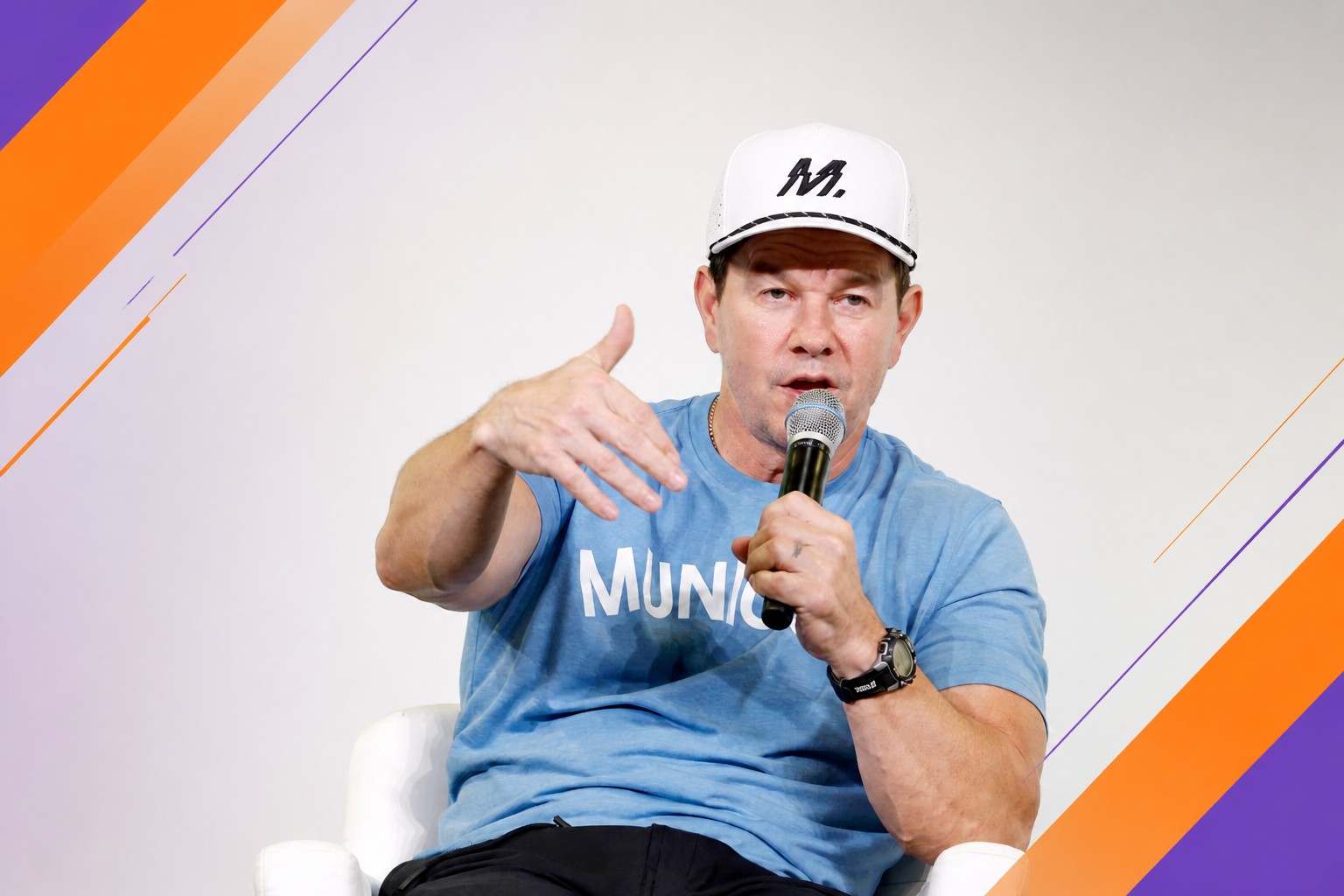
AI as a tool, not the storyteller
Wahlberg’s distinction is between using AI to improve existing work and using it to replace the people making it. He said storytelling should remain at the center of filmmaking, and that effects alone are not what draw him to a project.
He has worked on effects-heavy films, including at a time when Jurassic Park and The Perfect Storm showed what computer graphics could do. The latter’s trailer featured a wave about 100 feet high. Now, he said, it is harder to make effects like those feel new. For him, that makes the story more interesting than a film built primarily around spectacle.
A replica with a family audience
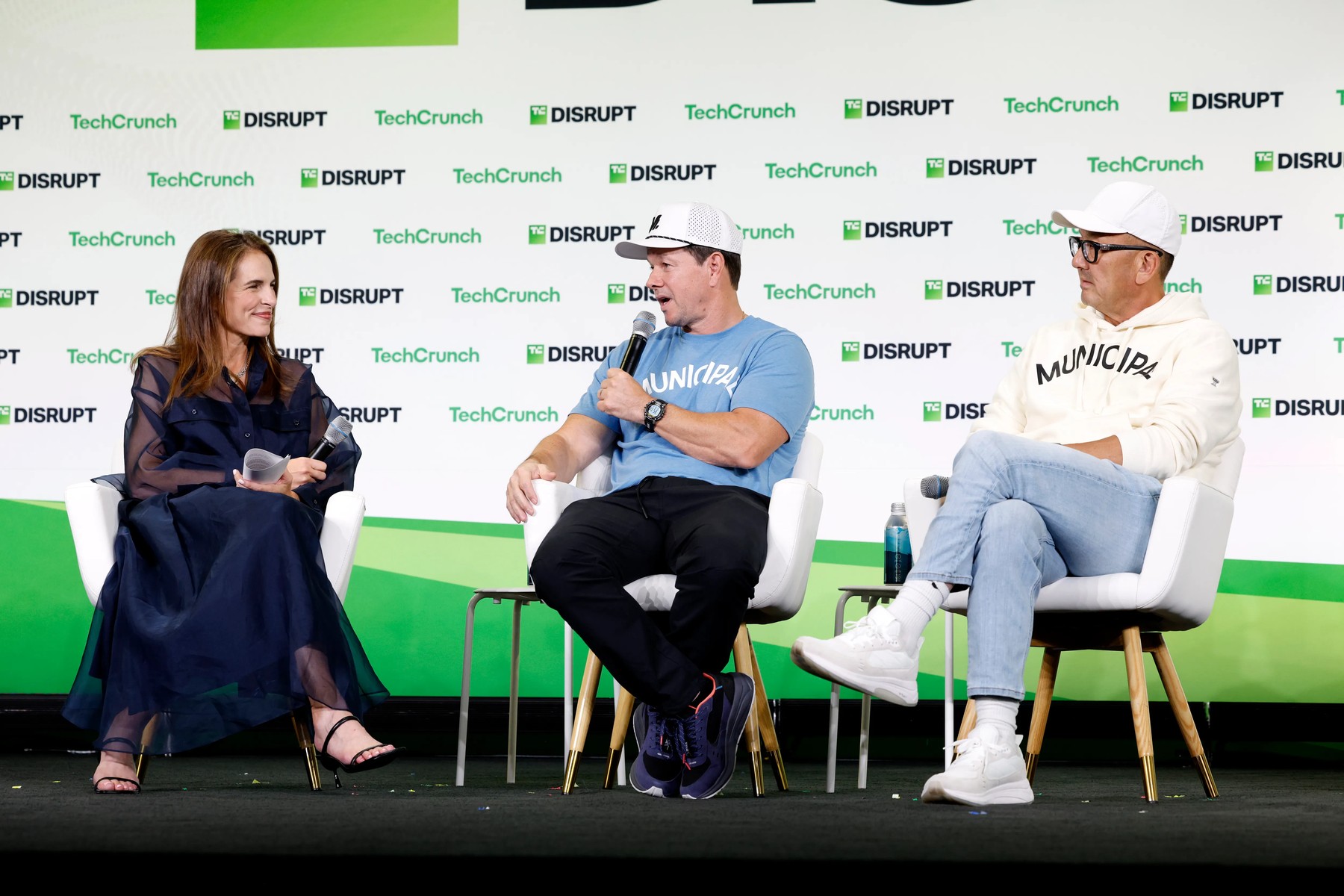
TechCrunch editor-in-chief Connie Loizos asked whether Wahlberg had visited CAA Vault, Creative Artists Agency’s facility for capturing actors’ bodies, faces, movements and voices to create AI replicas. He has not, but said he would consider it.
He could imagine his children or grandchildren controlling his likeness and using it in good films. He also said he would be open to his planned animated series Ted continuing for decades with a digital version of himself, including if he could no longer take part or had died. If there were a real audience for such a project, he said, people should be able to watch it.
That is a more personal case for a digital replica than the usual promise of production efficiency: keeping a performer’s work available to a future audience. But the announcement says little about who would decide what counts as a good use of Wahlberg’s likeness, or how that control would work across generations. I think that question matters more than whether the technology can reproduce his face.
Daily AI news
Every day we pick what actually matters in AI and explain it plainly — no hype, no filler. Subscribe if you want to follow where the industry is going.
Only what matters — every day
Follow on X