
How a bag of chips triggered an alert
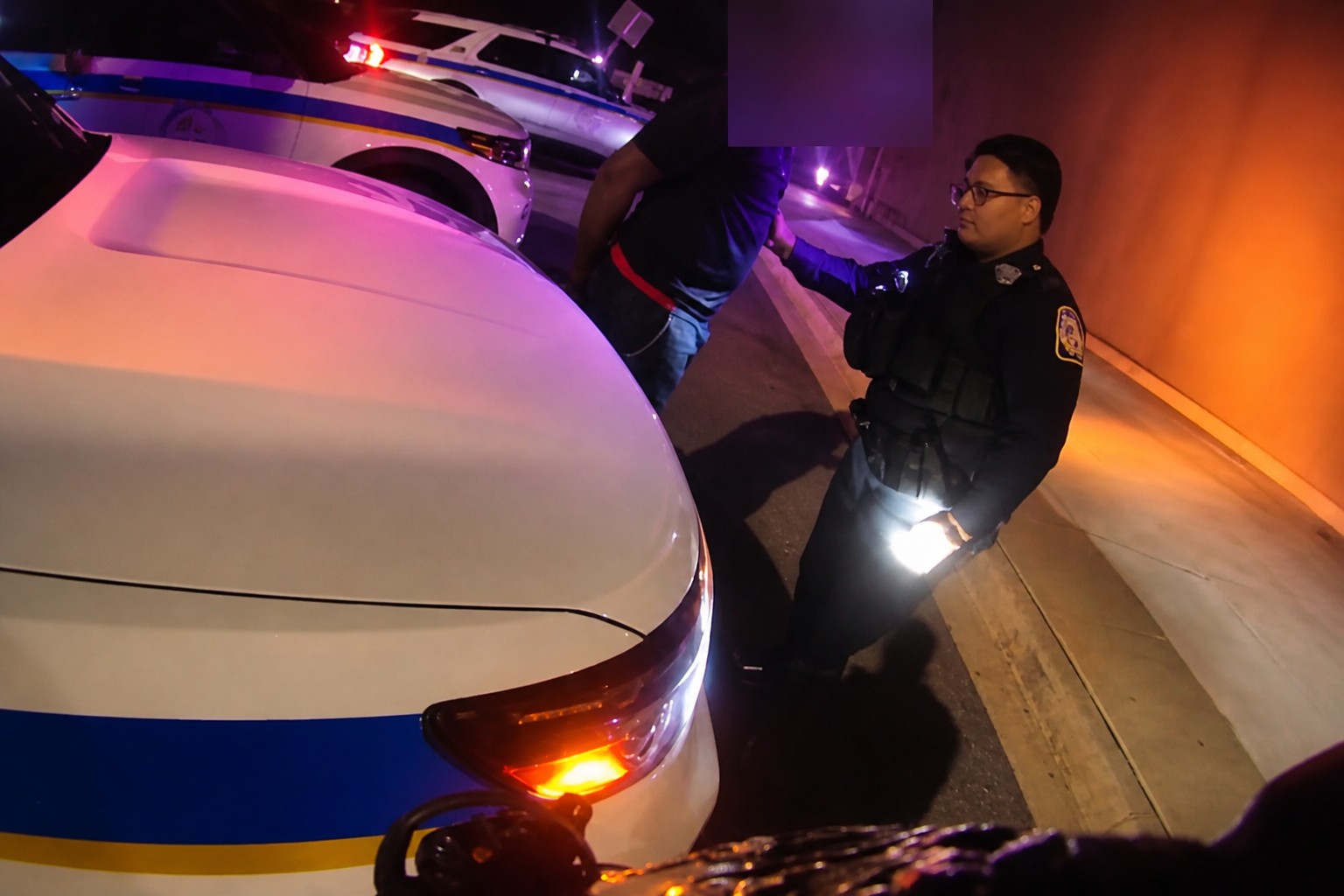
The incident happened on the evening of October 20 last year, after football practice. According to the lawsuit, the coach handed out bags of Doritos to the team. T. Allen, then a senior, took several bags and waited for a ride with his friends by the picnic tables. Six police cars arrived at the school with their lights flashing. Many officers drew their weapons, and the teenagers raised their hands.
Omnilert Gun Detect analyzes surveillance footage and looks for signs of firearms. That evening, it flagged a bag of chips as a weapon with 90% probability. The plaintiffs say the alert continued even after school staff and local police reviewed the image and realized it was false.
The teenagers say they were shocked and feared for their lives when armed officers stopped them, ordered them to kneel, handcuffed them and searched them. As one officer was leaving, he allegedly thanked them for not running away and added that otherwise there would have been a serious problem.
What the lawsuit says
The lawsuit names Omnilert, the school principal, the Baltimore County Police Department, the school board and individual officers as defendants. The plaintiffs say technology failures and human actions led to their unlawful detention and search.
The company advertises the system as reliable and says it helps reduce false alarms. But according to the lawsuit, Maryland’s Office of the Inspector General for Education found that more than 99% of OGD alerts in Baltimore County public schools were false and did not require police intervention.
The plaintiffs also included in the case messages the principal sent to fellow administrators. They say she treated the incident lightly, using a laughing-face emoji, and did not apologize to the students. One officer allegedly cursed at the Omnilert system, while a colleague joked that people should be more careful on school grounds, especially if they were holding something like a bag of chips.
The teenagers did not find the jokes funny. According to the lawsuit, they complained of pain from tightly fastened handcuffs and prolonged emotional distress.
The impact on the students
T. Allen said that since the detention, he no longer feels safe waiting for a ride or staying at school after classes. He now often pays for a ride home so he does not have to wait for friends or relatives.
Freida Winfield, the mother of Keith, one of the plaintiffs, was on her way to pick up her son and his friends when they were detained. She said children should not be exposed to that kind of danger while waiting for their mother outside their own school.
Omnilert, the school principal, the county police department and the school board did not respond to The Guardian’s request for comment. Earlier, an Omnilert spokesperson told Baltimore Banner that the company was reviewing the lawsuit and regretted the fear experienced by the teenagers and their families, adding that it understood why they wanted answers. A Baltimore County spokesperson told The New York Times that the county could not comment on ongoing litigation.
Dataist's take: The case shows that the consequences of a false alert depend not only on the system’s accuracy but also on how school staff and police respond to it. The lawsuit’s claim that more than 99% of alerts were false makes it especially important to ask what checks should take place before an armed detention.
Daily AI news
Every day we pick what actually matters in AI and explain it plainly — no hype, no filler. Subscribe if you want to follow where the industry is going.
Only what matters — every day
Follow on X