
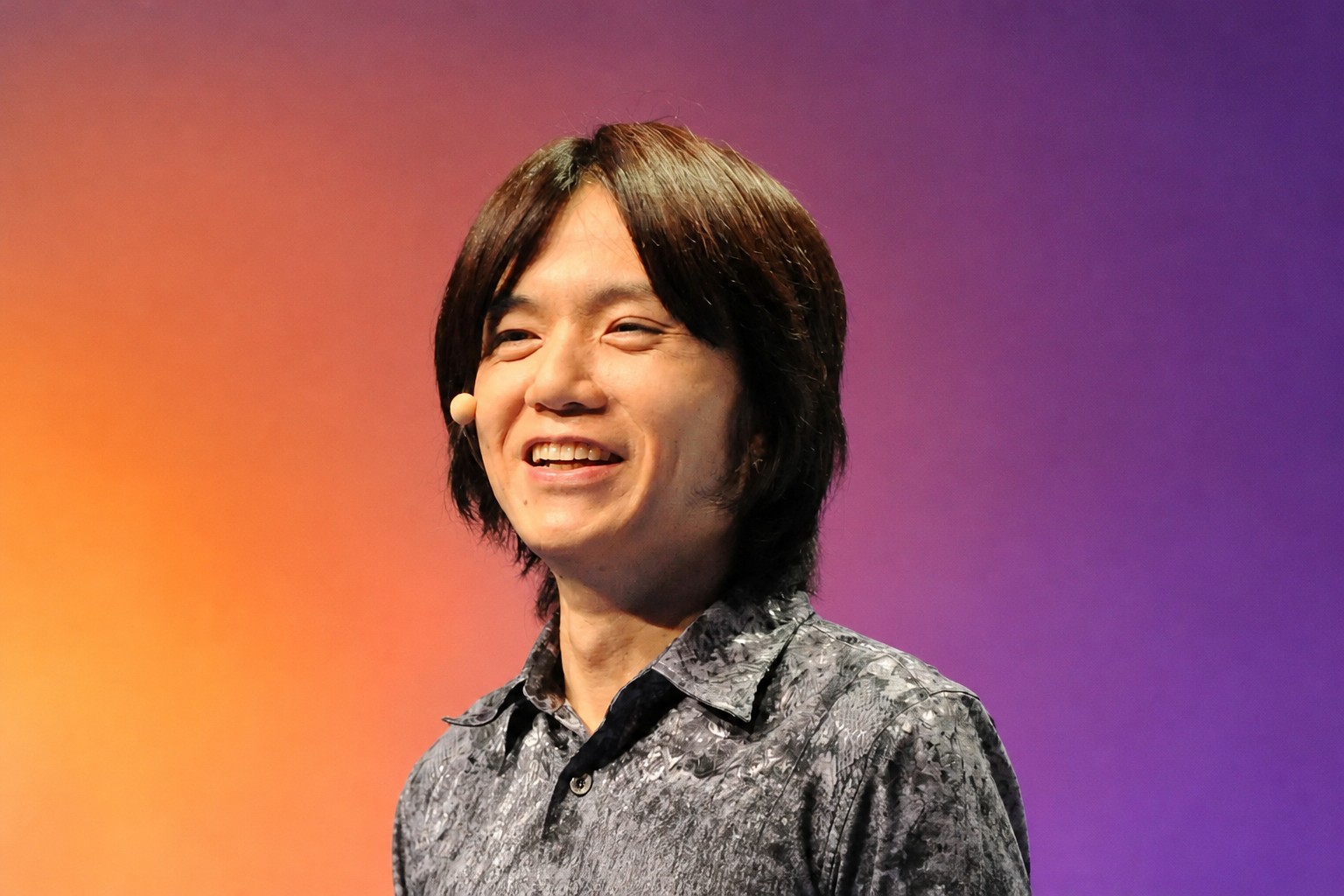
The pull of familiar formulas
Sakurai has previously objected to how games are described through comparisons with other games. “Soulslike,” for example, has become a genre label for role-playing games inspired by Dark Souls.
He sees AI as an accelerant for that tendency. A model may build systems by borrowing directly from games that already exist. Sakurai pointed to the success of the indie game Librarian: Tidy Up The Arcane Library, which was quickly followed by numerous imitators. AI, he argued, is especially well suited to producing more of that kind of copy.
Style can be studied; authorship is harder
Sakurai allowed that AI could learn to analyze the atmosphere of Fumito Ueda’s work, including ICO and Shadow of the Colossus, and make something similar. But he does not think it could create Ueda’s future games. Whatever artistic direction Ueda chooses, Sakurai says, only Ueda can bring it to life. That, to him, is human originality.
I think the distinction is sharper than a claim that AI cannot be creative: Sakurai is separating recognizable style from the choices that produce a creator’s next work. The announcement is quiet about where he would draw that line in practice, or whether AI-assisted tools could help a designer reach an idea without substituting for them.
That leaves a tension for game makers: AI may make familiar systems cheaper to reproduce, while the value Sakurai assigns to originality rests precisely on what cannot be specified in advance.
Daily AI news
Every day we pick what actually matters in AI and explain it plainly — no hype, no filler. Subscribe if you want to follow where the industry is going.
Only what matters — every day
Follow on X