
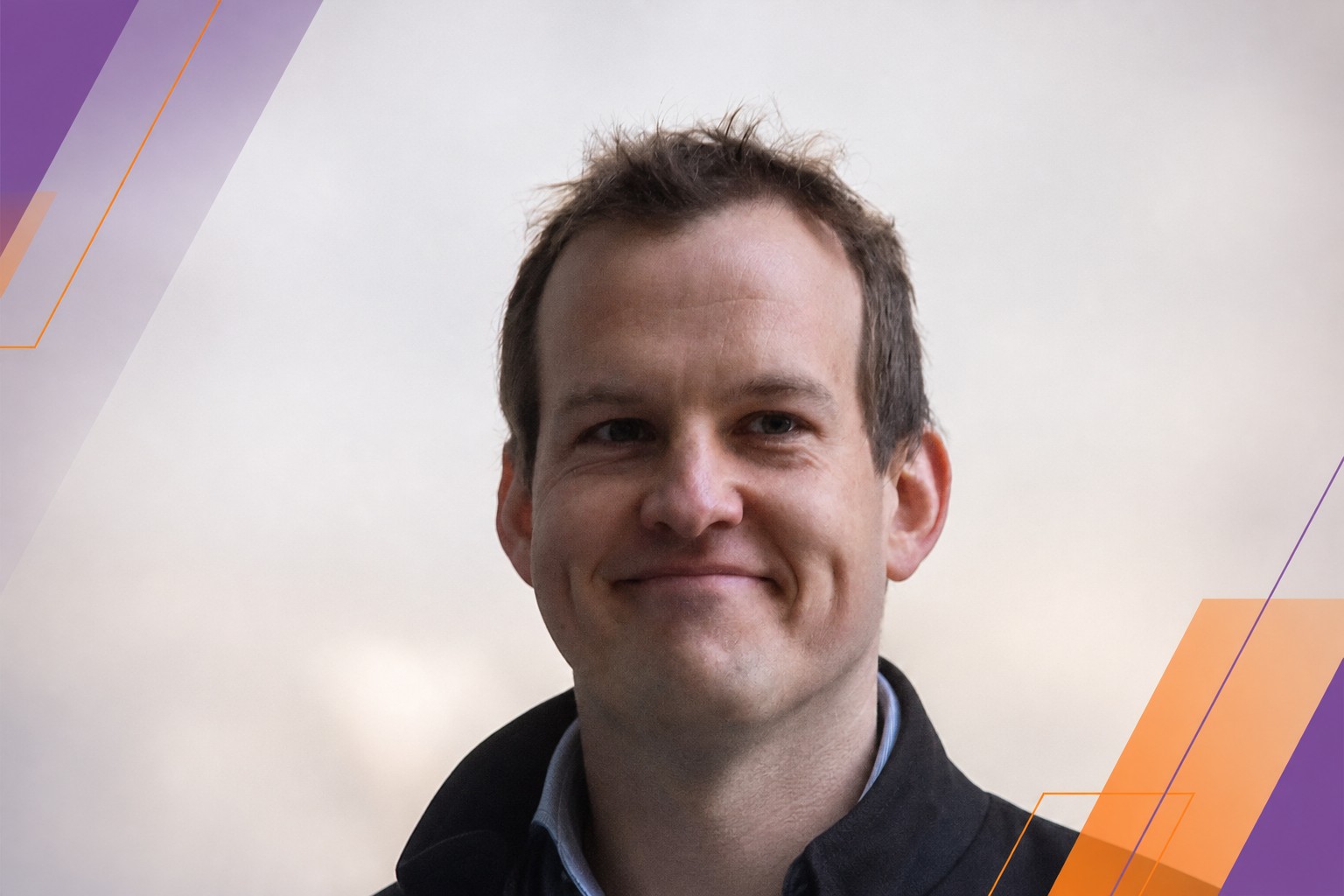
Matt Clifford, the 41-year-old British investor who drew up the UK government's AI action plan and then served as Keir Starmer's adviser on AI opportunities, has joined Anthropic as managing director for international affairs, working with governments outside the United States: the UK, Europe, the Asia-Pacific and India. He is keeping two other posts — chair of Aria, the British government-backed Advanced Research and Invention Agency, and chair of Entrepreneurs First, the investment firm he co-founded. Anthropic, the maker of Claude, is preparing to go public at a valuation that could reach $2 trillion (£1.5 trillion).
The adviser role was unpaid, and Clifford left it after six months for personal reasons. He had come to it having already written the action plan the government then adopted, a document that commits Britain to AI growth zones built around data centres and to developing its own British AI models. Before that he was the former prime minister Rishi Sunak's representative at the 2023 AI Safety Summit held in the UK, and he helped set up the body later reconstituted as the AI Safety Institute, now one of the leading organisations of its kind. Entrepreneurs First, which he co-founded, has backed the creation of technology companies worth more than $20 billion between them.
Clifford said the most important decisions about the future of AI should be taken by companies and governments together. Countries want to shape how the technology is built and used, he said, and his job is to make Anthropic a full partner in that process across Europe, Asia and elsewhere.
The move has reopened the argument about people crossing from government into the industry they regulated. Nick Clegg, a former deputy prime minister, took a senior role at Meta in 2018. Sunak became an adviser to both Microsoft and Anthropic last year. George Osborne, a former chancellor, joined OpenAI.
Tom Brake, executive director of the non-profit Unlock Democracy and a former Liberal Democrat MP, said the revolving-door problem applies to advisers as much as to ministers. Moving into a private company so soon after working in government, he said, lets a person carry extensive knowledge of sensitive AI policy with them and hands Anthropic a significant advantage.
Baroness Beeban Kidron, a prominent critic of the government's AI policy, called for more independence in policymaking, so that the interests of workers, citizens and society come first in dealings with the technology sector.
Chi Onwurah, the Labour MP who chairs the science, innovation and technology committee, acknowledged Clifford's substantial contribution to national AI policy and said moves between the public and private sectors should be permitted. She still called it a cause for concern that he is passing his knowledge to an international AI company so soon after leaving government, and said she hoped he would use the experience to advance responsible AI inside Anthropic rather than to promote irresponsible approaches inside the British government.
A spokesperson for Anthropic replied that the UK is only one of dozens of countries Clifford's team will deal with, and that the company hires people who understand how governments work because that is necessary in every market, not only in Britain.
That answer is true and beside the point. Anthropic did not hire a generalist who happens to know how ministries function; it hired the author of one particular country's AI strategy, to run government relations in the months before an IPO. Every other market gets his general fluency. Britain gets the man who wrote the plan it is now executing, sitting on the other side of the table.
The revolving-door comparisons are actually the least interesting part of this. Clegg, Sunak and Osborne had all finished with government before they took the money. Clifford has not: he remains chair of a British government-backed agency that funds long-horizon research while drawing a salary from a company with an obvious interest in how that research goes. The stated safeguard is that he will not be involved in Aria matters connected to Anthropic. Notably absent is any indication of who decides what counts as connected, or of what the recusal does about Aria's funding decisions concerning Anthropic's competitors, which is the same conflict pointing the other way.
Clifford was appointed chair of Aria in 2022, so the Anthropic job is grafted onto a post he has held for years rather than the other way round — which makes the arrangement more ordinary than it looks and the recusal thinner than it needs to be.
The plan he wrote commits Britain to building its own AI models. Its author now represents an American model company to the governments of Europe, Asia and India, and to his own. A recusal at Aria does not reach that, because nothing about it was designed to.