From chatbot to workplace tool
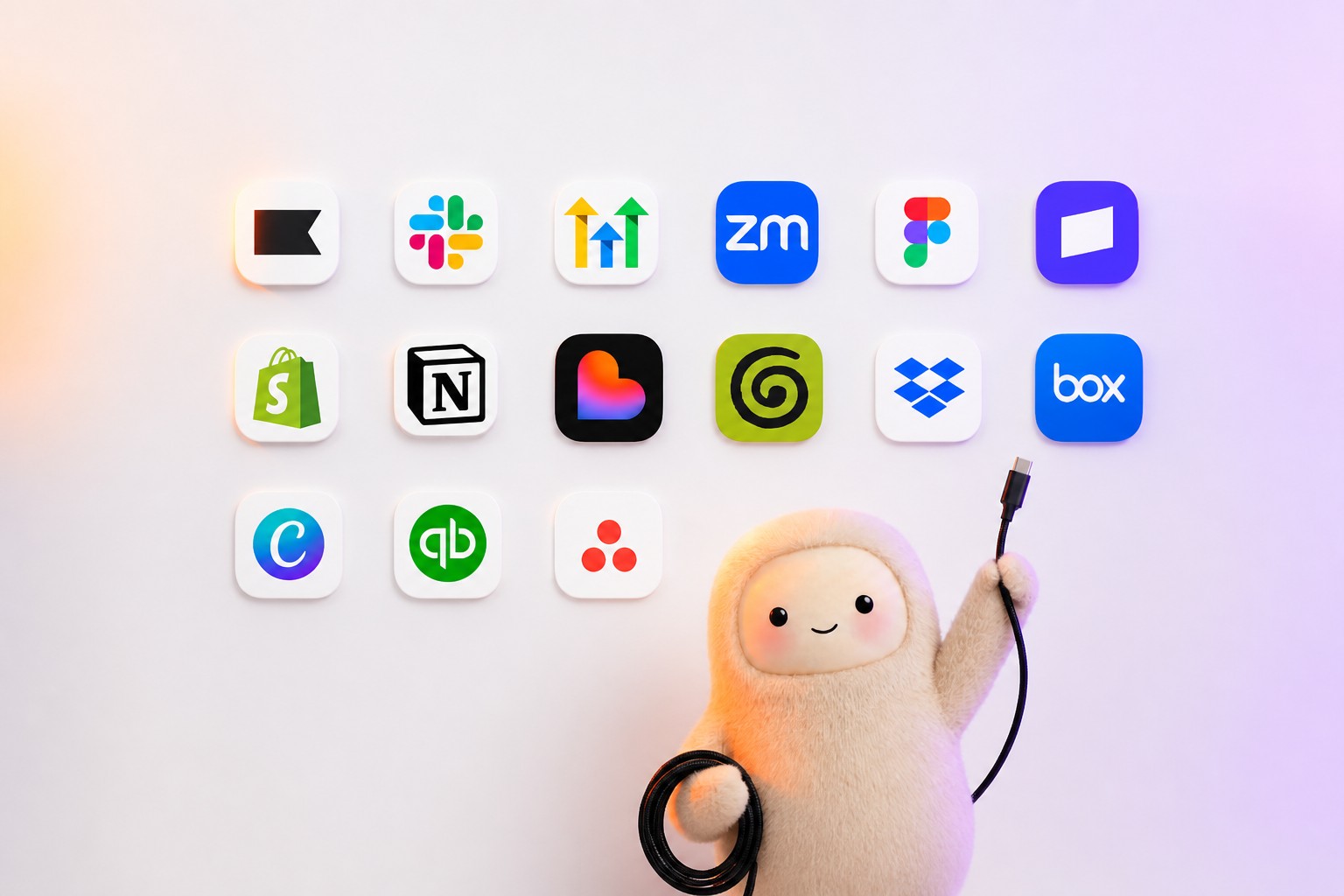
Alongside existing integrations with Shopify, Dropbox and Slack, Muse now connects with:
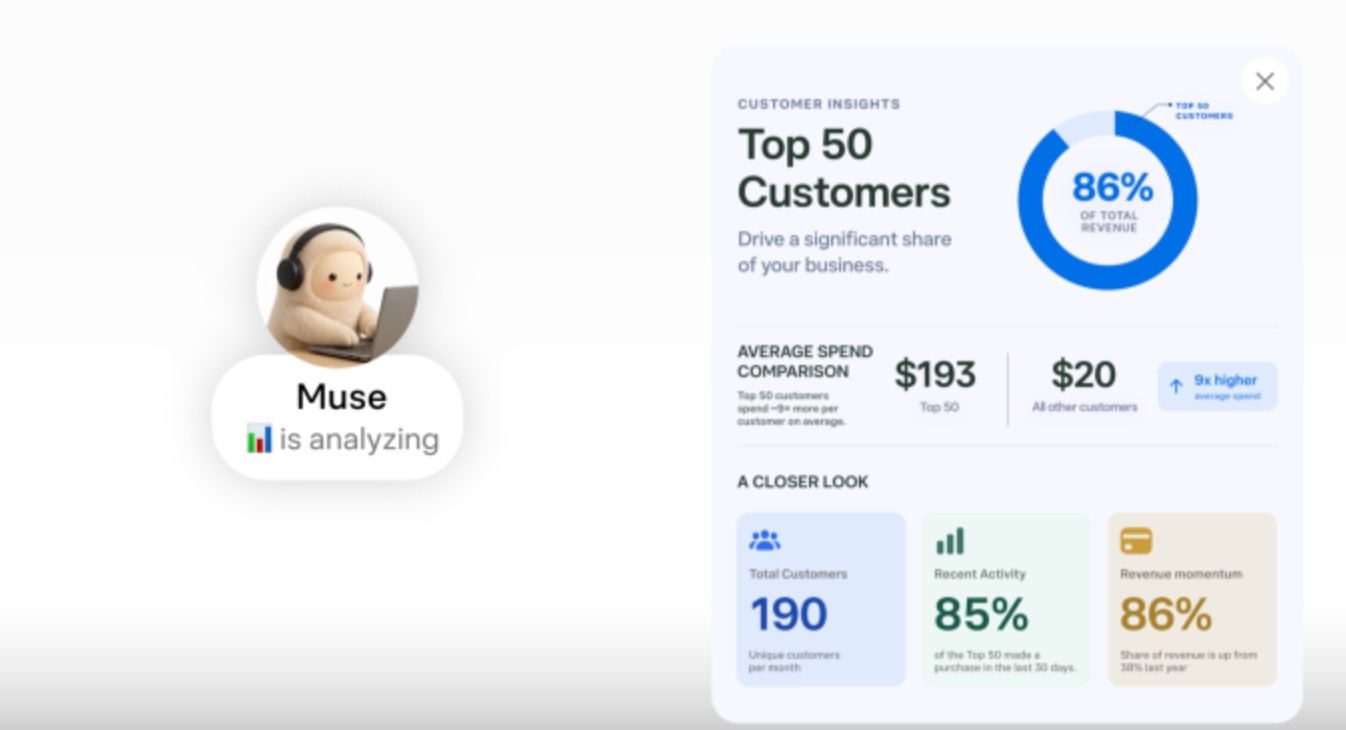
Muse is free for small businesses with usage limits; Meta offers a paid subscription to companies that need more. The pitch is practical: small businesses have grown through Meta’s apps for nearly two decades, the company says, but entrepreneurs lack time more than ideas. Muse is meant to help them get work done using tools they already have.
A wider enterprise bet
The small-business launch came a day after Meta presented Meta Enterprise Platform, an initiative to develop AI products for companies and enterprise customers. Meta has hired Chirantan “CJ” Desai, CEO of database software developer MongoDB, to lead it.
Meta plans to offer businesses and developers a broader technology stack that includes Muse, Meta Business Agent, Muse API and Muse Code. The effort builds on Muse’s early momentum: launched earlier this month, the agent rose to the top of app rankings in the US and Canada, ahead of ChatGPT.
I think the integration strategy is the more consequential part of the announcement. A strong app ranking can show interest, but it does not establish that businesses will rely on an agent in their daily work. Meta is betting that access to company context and familiar software can make Muse more useful than a separate chatbot—and help turn its AI investment into a business.
What Meta has not said here is how much work Muse can complete across those integrations, or how its paid plan is priced. Until those details are clear, the breadth of the stack is a promise of reach, not proof of routine use.
Daily AI news
Every day we pick what actually matters in AI and explain it plainly — no hype, no filler. Subscribe if you want to follow where the industry is going.
Only what matters — every day
Follow on X