
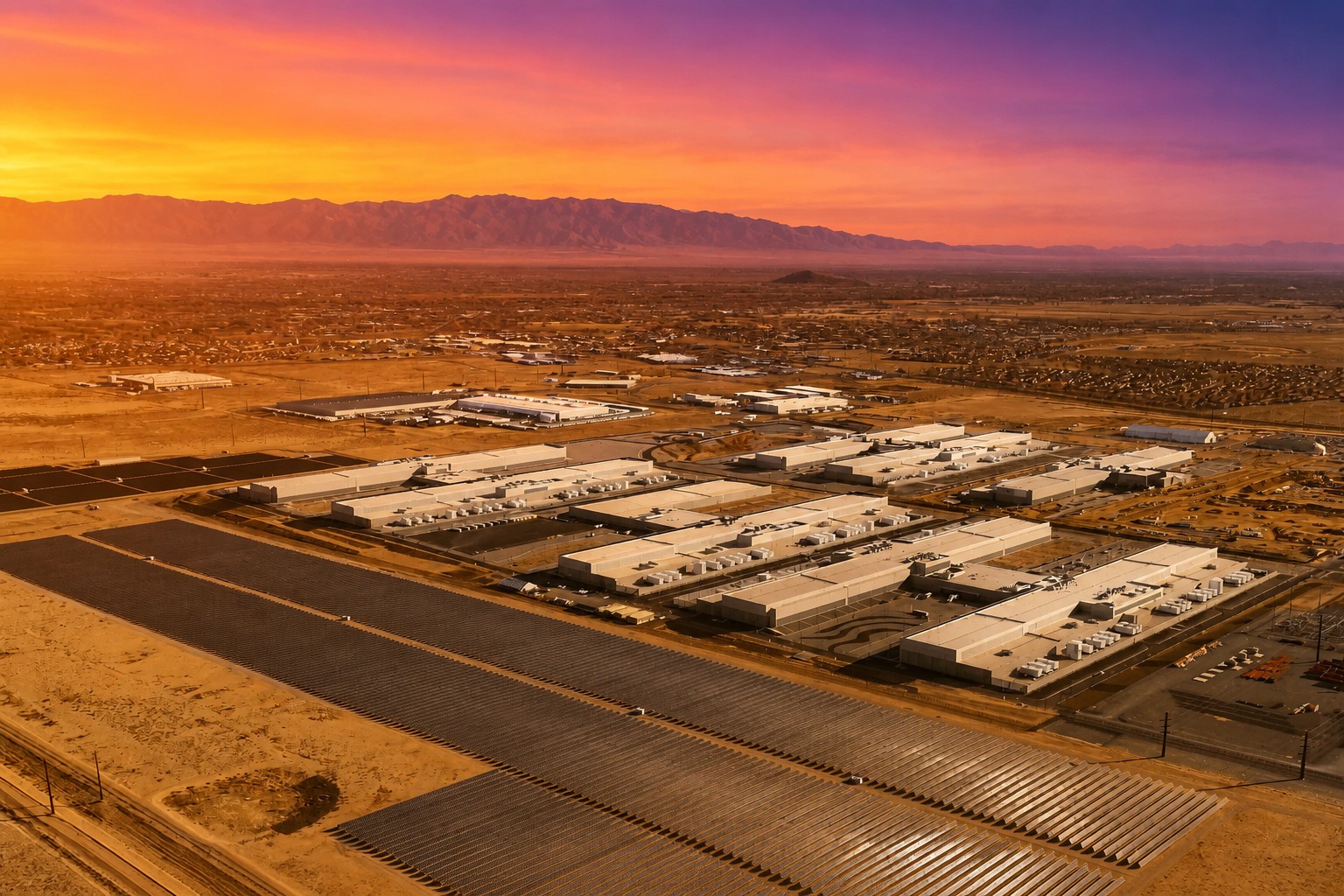
How the tax break applies
The incentive dates to Ronald Reagan’s presidency and was designed for companies testing risky research and experiments. Meta is telling the IRS that returns on its data-center construction are not guaranteed, and using that uncertainty to claim billions of dollars in tax benefits.
The company has used the provision for two years:
Meta’s filings, reviewed by The New York Times, say the company may have to repay the savings because of “uncertainty related to our research tax credits.” The IRS has also sought $355 million from Meta over savings from a different tax provision the company used in 2013 while developing the News Feed.
The New York Times reports that the IRS has challenged thousands of companies for applying the research credit to ordinary expenses. Meta’s use of it for data centers therefore raises a question beyond the size of its claim: how far can a facility built to support AI infrastructure be treated as experimental research?
The argument around data centers
Data centers are already drawing opposition over their environmental effects, noise, and consumption of electricity and water. Representatives from both parties oppose construction, and the movement could affect the upcoming midterm elections for Congress. News that companies may be using data-center plans to reduce their tax bills could deepen public suspicion.
Meta spokesperson Andy Stone told The New York Times that the company spends significant sums on research and development, supporting “jobs in America.”
I think the filing’s uncertainty language is the sharper part of this story. Meta is seeking a large tax benefit by describing projects as experimental, while acknowledging that the basis for its research credits may be uncertain. The IRS’s separate effort to recover $355 million from the 2013 News Feed claim also shows that disputes over Meta’s tax treatment are not new.
The larger concern is that this arrives amid broader doubts about the AI industry’s financial claims, including “vibe revenue” and “creative accounting,” in a sector operating with almost no regulation. If the economics of AI infrastructure are already hard to assess, aggressive tax positions could make the case for building at this scale harder to sell.
The unresolved issue is whether the IRS accepts Meta’s explanation. Until then, the company’s tax treatment adds another fault line to the argument over who should bear the cost of the AI data-center boom.
Daily AI news
Every day we pick what actually matters in AI and explain it plainly — no hype, no filler. Subscribe if you want to follow where the industry is going.
Only what matters — every day
Follow on X