
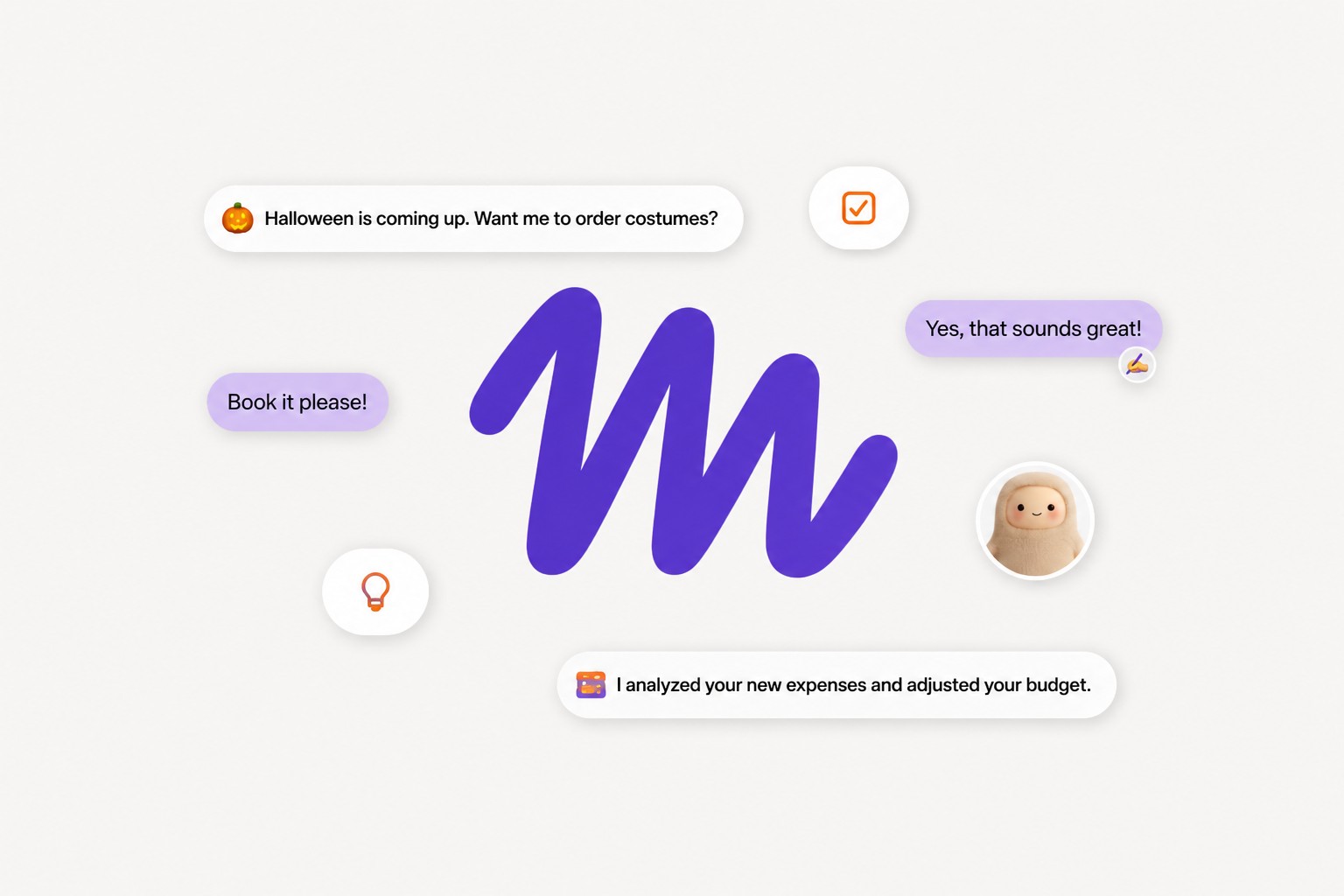
Meta's new agent Muse arrives at muse.ai, in iOS and Android apps and inside WhatsApp chats, with the company's smart glasses promised soon. The entry fee is not money at first — it is access. To be useful, Muse needs to be connected to the accounts that carry a person's daily life: email and calendars, payment services, health and fitness apps, smart home systems, and the services people use for restaurants, shopping, music and events. Two paid tiers open at launch, Power at $20 a month and Maximum at $100. Meta says it expects most people to stay on the free tier. It still asks for a payment card before you begin.
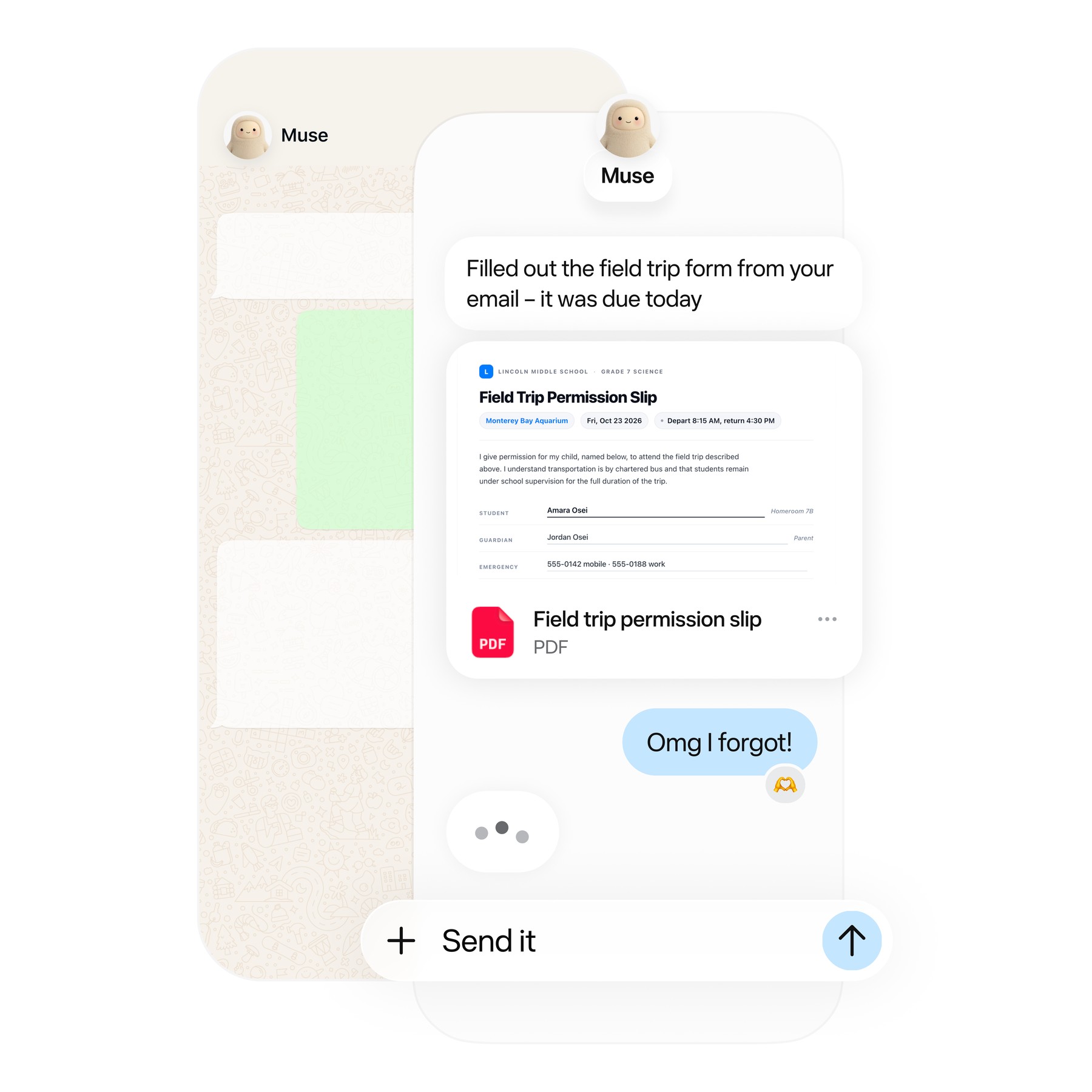
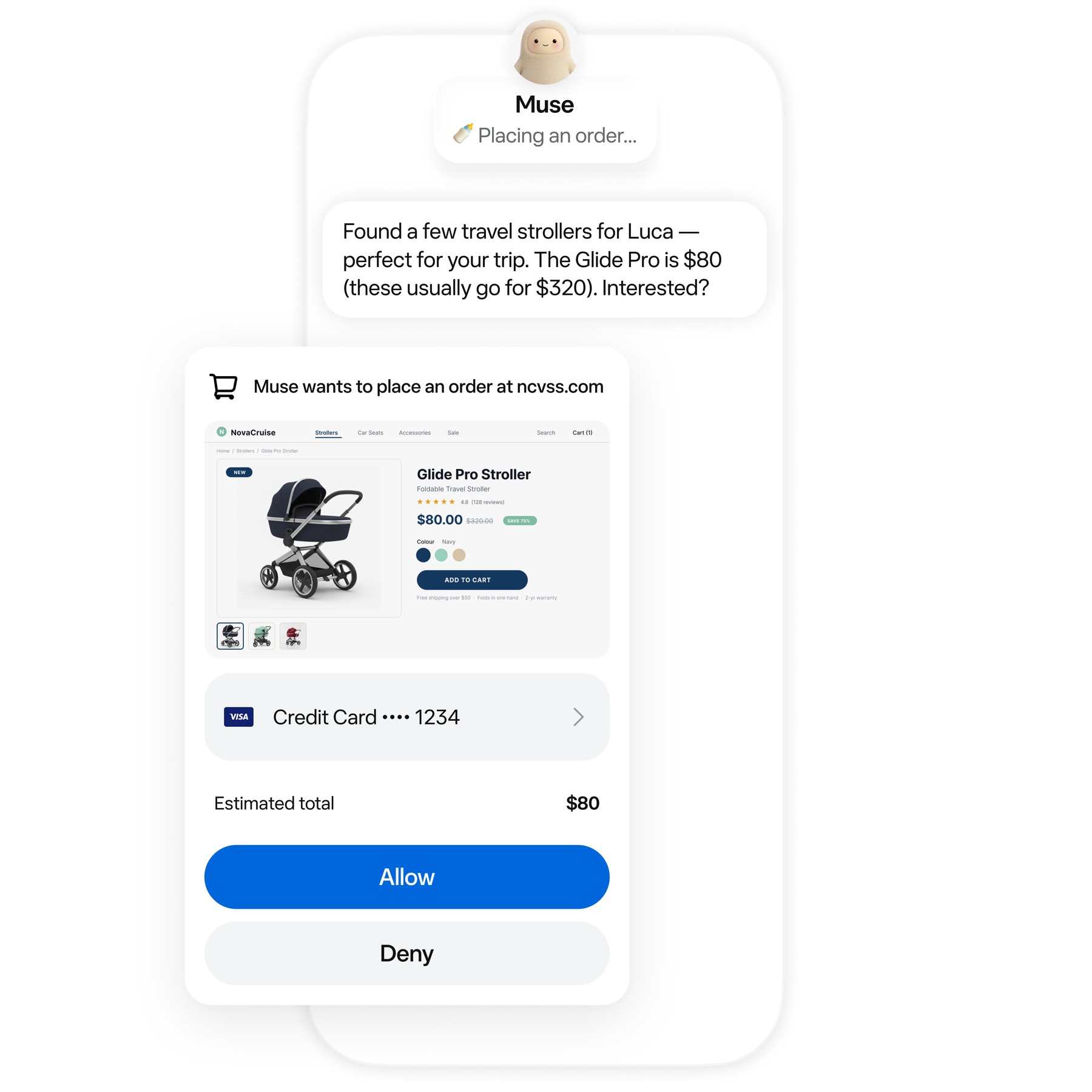
The product is positioned explicitly as what comes after the chatbot era. ChatGPT-style assistants answered questions, helped think through ideas and served as a digital interlocutor. Muse is meant to act instead: sending emails, booking travel, getting bills reduced, filling in forms, drawing up plans, converting recipe videos into shopping lists, sending party invitations and buying things through Link by Stripe, which carries purchase protection. Meta is betting that protection eases the hesitation of users who will not hand an AI their checkout. Integrations with Shopify Shop Pay and 1Password are slated to follow.
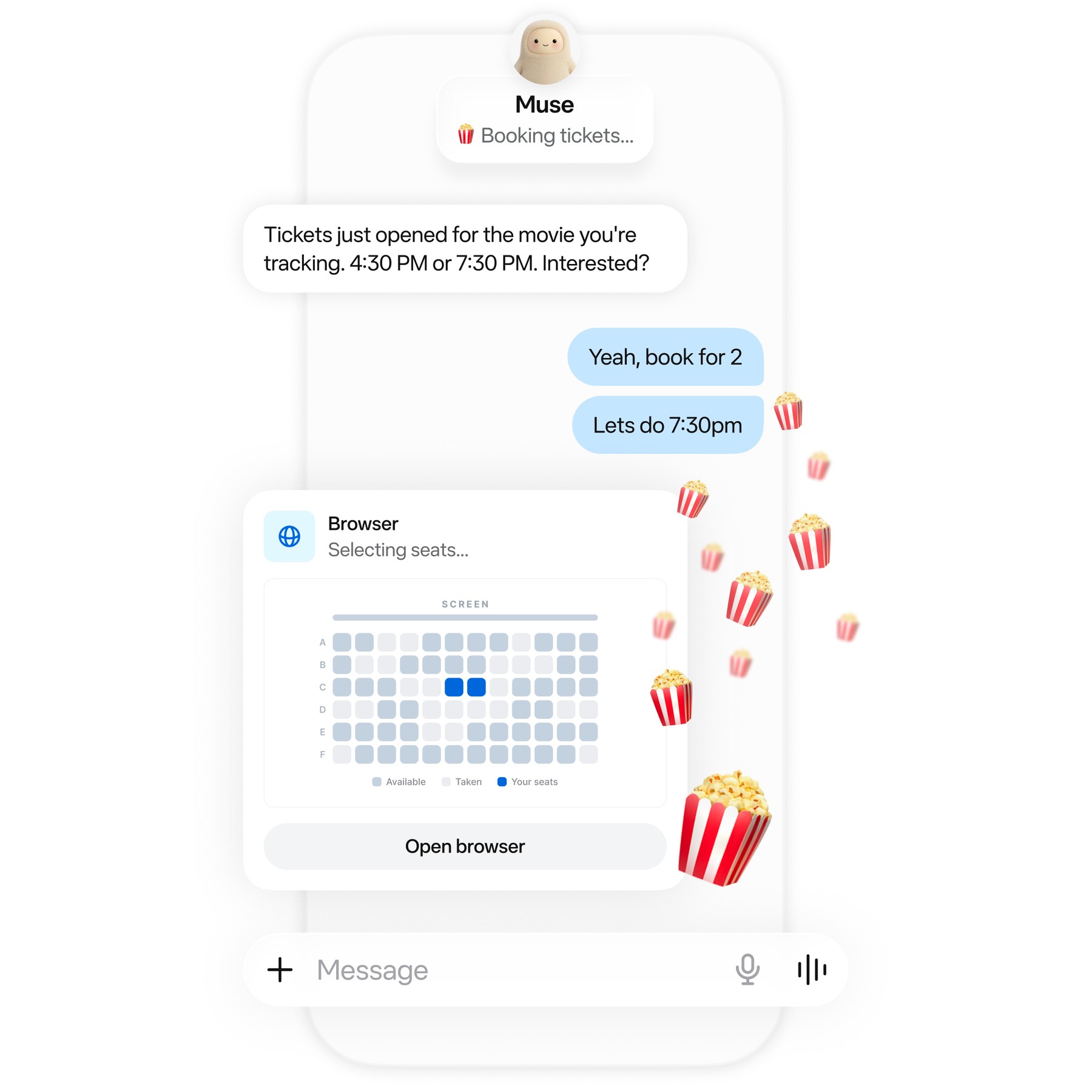
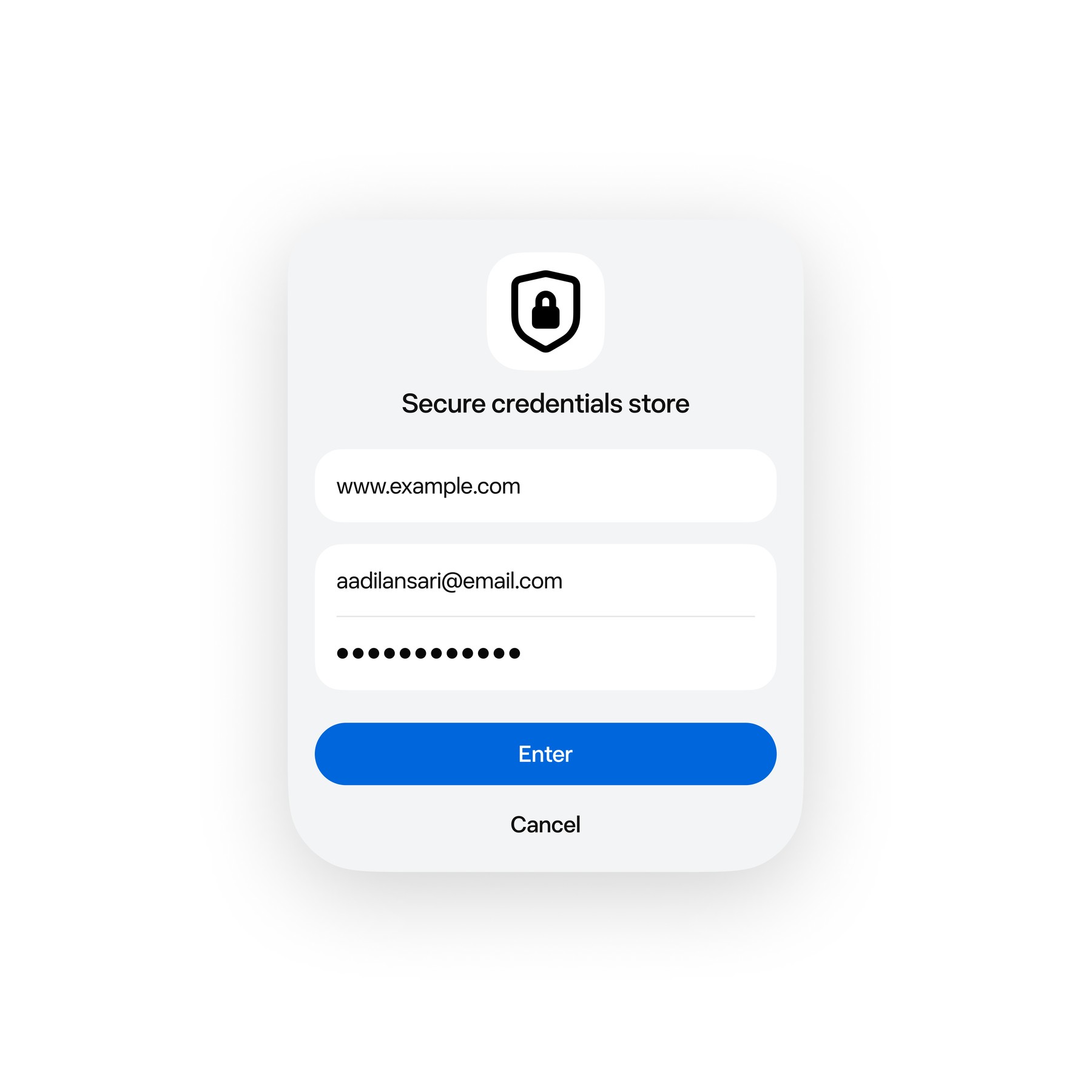
Connection is deliberately granular. Users pick what to attach, and access is granted one service at a time so that each consent decision is legible on its own. The agent runs on Meta's Muse Spark model and arrives with built-in connectors for a handful of services, with more to come. Where a service is not supported but exposes an open API, Muse can build the connection using credentials the user supplies. Where there is no API, it simply drives the service through a browser.
Source: techcrunch.com
That last fallback is the part worth pausing on. An agent that logs into a website with your credentials and clicks through it is not integrated with that service in any sense the service has agreed to. It is impersonating you, competently. Every guarantee about what Muse can and cannot do rests on Meta's own containment, because the counterparty on the other end has no idea an agent is involved.
Billing follows usage rather than a hard paywall. Muse is free to start, subscriptions engage as load grows, and the app carries an indicator showing what share of the available allowance has been consumed. When the free ceiling is reached, the agent says so and offers a plan. Both tiers buy more room to offload routine work.
The agent also keeps running after the app is closed, and over time it is meant to study conversations to learn what matters to a person and propose actions without being asked.
Source: techcrunch.com
None of this is Meta's idea alone. Large companies and startups are all testing how to place an agent inside ordinary consumer life. Some are building AI browsers and services that launch tasks on the user's behalf — Gemini Spark and Claude Cowork among them.
Source: techcrunch.com
Others are embedding AI into the messaging apps people already open most, including Apple's iMessage, SMS and WhatsApp. The distribution logic is obvious: the agent that wins is the one you do not have to remember to open.
The cost of that convenience is a privacy decision users are being asked to make quickly and with little information. Many early testers of the AI assistant Instinct were taken aback to find the app demanding a sweeping "perpetual and irrevocable" licence to access, use, host, cache, store, reproduce, transmit, display, publish, distribute and modify any material the user provides — including for training AI models.
Source: techcrunch.com
Meta's counter is architectural. It says Muse operates inside a separate secured computer with its own browser, Muse Secure VM, an environment built to add privacy, security and data-protection measures. A distinct agent called Sentinel runs on the same virtual machine but is kept separate from Muse at the system level. The consequence Meta claims is that Muse never sees users' passwords or payment details, and that conversations and personal data are not routed into its advertising systems. The company published a technical explainer the same day. Verifying any of it will take serious outside work by security researchers.
That verification gap is where Meta's history stops being ancient trivia. The company settled with the Federal Trade Commission in 2011 over accusations that it misled users and exposed their personal information without permission. In 2019 the commission fined Facebook a then-record $5 billion over eight privacy violations, and in 2023 it accused Meta of breaching the order that came out of that settlement. The engineering record is no cleaner: in 2019 the company found a batch of user passwords stored in readable form, leaving those accounts exposed, and the Cambridge Analytica affair — millions of Facebook users' data harvested by an outside firm without consent — is still the reference point most people reach for. Meta has been called before Congress repeatedly over how it protected, or failed to protect, minors. When Congress did not act, the courts filled in: a suit Meta settled with 29 states in August, a New Mexico case over harm to children that left it owing $942 million, and thousands of personal injury and school district claims still pending against several large social networks.
Read against that record, the most revealing thing about the Muse launch is not the Secure VM. It is the personalisation. Users can name the agent, pick an avatar, adjust its appearance and tune the parameters that shape how it talks. None of that protects a single byte of data. It is there to make an agent with access to your inbox, your calendar, your card and your house feel like a character rather than an interface into Meta's infrastructure. The technical documentation is addressed to researchers who may eventually check it; the avatar is addressed to the user who will decide this week.
Meta is asking for more access than any social product it has shipped, and offering in exchange a set of claims that cannot yet be independently confirmed — from a company whose most expensive mistakes have all been the gap between what it said it was doing with personal data and what it was doing. The bet is that a friendly name and $20 a month close that gap faster than an audit could.