What Muse shipped
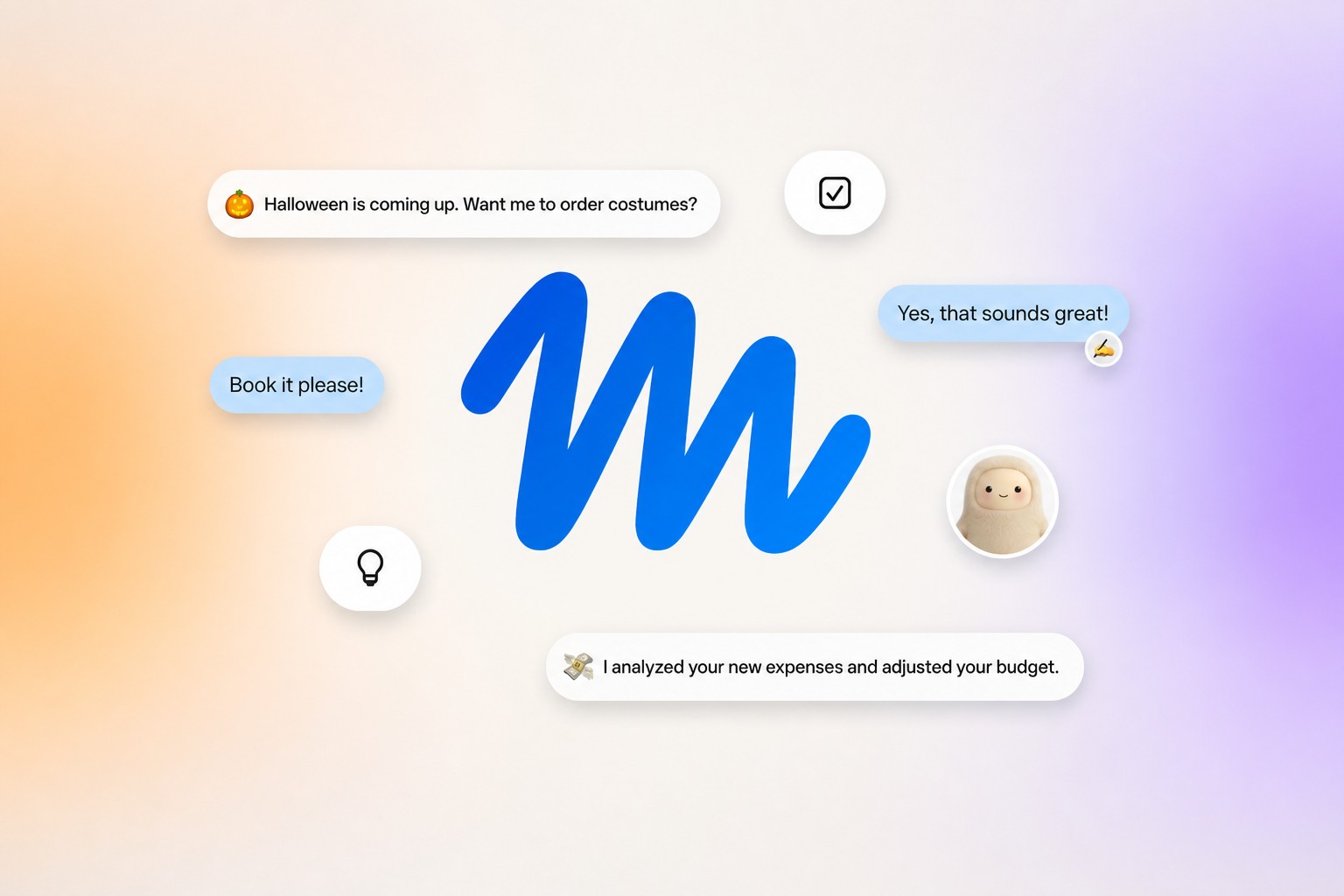
Muse is positioned as an agent for routine personal work. It can:
Users sent more than 2 million prompts during the first week. That is a strong opening for a new consumer app, but it also shows what Meta is measuring: initial curiosity and interaction volume, not yet whether people will delegate important tasks to the agent.
Meta’s OpenClaw debt
Nat Friedman, head of product at Meta Superintelligence Labs and former GitHub CEO, wrote on X that Muse was “definitely heavily inspired by OpenClaw as a product,” while being built from scratch.
Friedman said his team valued OpenClaw highly and wanted to create a similar product that could scale to billions of users. He called OpenClaw creator Peter Steinberger a genius.
The resemblance appears to go beyond the general concept of a personal agent. X users noticed that Muse uses some of OpenClaw’s file names, with contents that are nearly identical. One example is SOUL.md, which defines an AI agent’s personality, communication style and behavioral rules.
Ansh Nanda, co-founder of an AI application, wrote in a viral post that Muse was “literally OpenClaw for ordinary users.” Asked about the similar file names and contents, Friedman said Meta’s team considered Steinberger’s decisions “absolutely spot on.”
TechCrunch placed the move in a familiar Meta pattern: identify a promising product and adopt its strongest features. The clearest precedent is Stories, a format that began with Snapchat before appearing across Meta’s products.
Traction is not the same as trust
TechCrunch reported that Muse had even outpaced ChatGPT during the early launch period when comparing platform availability and market access. The Information also reported that OpenAI had discussed building its own personal AI assistant in response to Muse.
That comparison is useful, but limited. Muse’s first-week numbers say little about retention, and an App Store ranking captures attention more readily than durable reliance. My read is that Meta has proven it can put an agent in front of a mass audience; it has not yet shown that users will let the agent act where mistakes become expensive.
The quieter issue is access. A useful personal agent needs information about its user, accounts and confidential data. The announcement gives a clear picture of Muse’s intended chores and early reach, but not of how much control users are prepared to surrender. That gap is where the product’s scale will meet its real constraint.
Daily AI news
Every day we pick what actually matters in AI and explain it plainly — no hype, no filler. Subscribe if you want to follow where the industry is going.
Only what matters — every day
Follow on X