
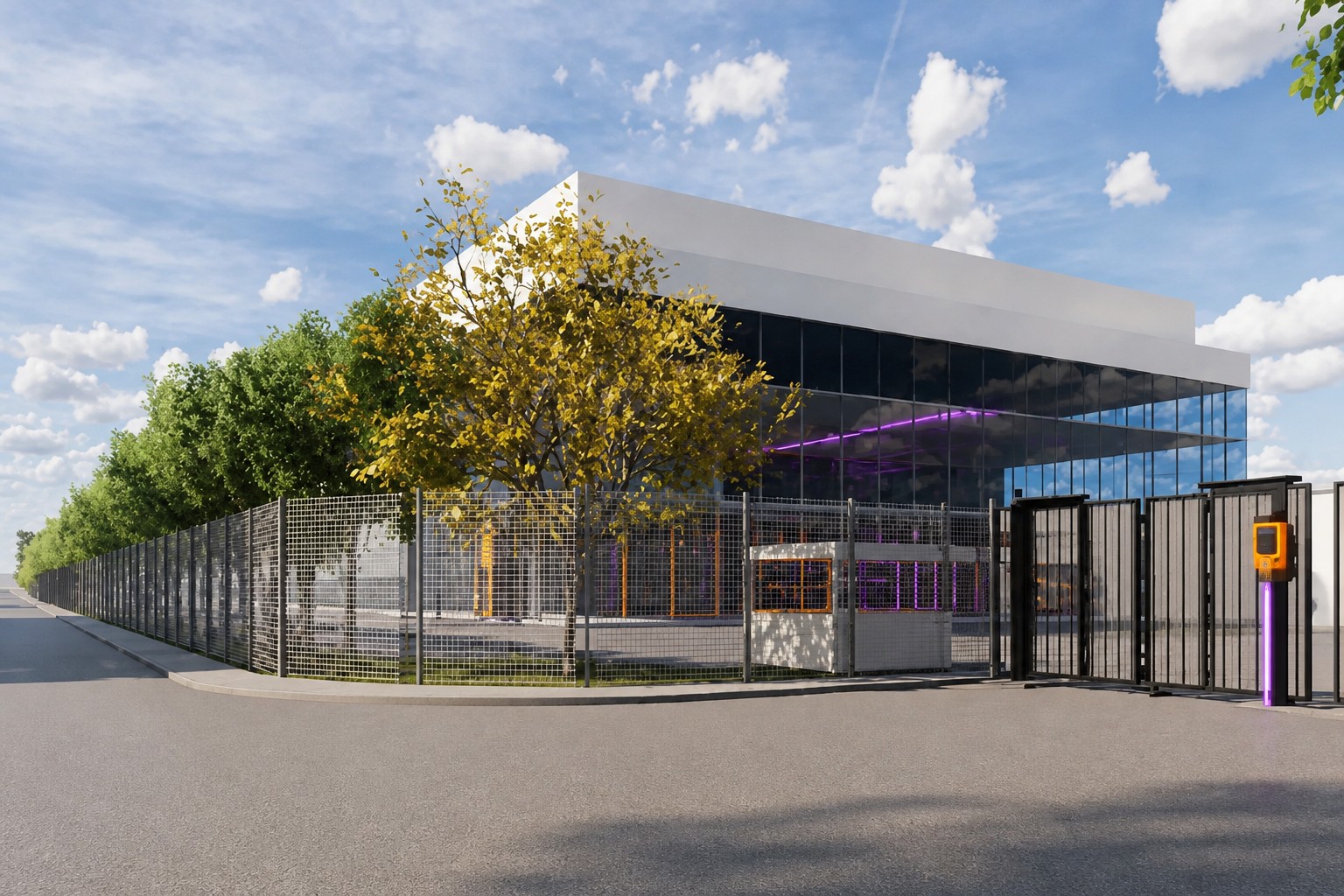
A site with two problems
Doubts about the location predated the power issue. In March, the Guardian reported that a scaffolding warehouse was still operating at the chosen site. A month before Microsoft’s exit, reports said electricity disruptions would postpone the data center’s launch for an extended period.
The government of Keir Starmer had highlighted the Loughton project when presenting its AI strategy. Data centers are core infrastructure for technologies such as chatbots; the project’s “sovereign” label also made it a prominent test of the UK’s ambition to build domestic AI capacity.
The Telegraph first reported Microsoft’s departure. The company is reportedly still involved in another Nscale project in Norway.
What Nscale needs to replace
Nscale, backed by technology companies including Nvidia, describes itself as a British provider of sovereign data centers. It says it remains committed to Loughton and to operating in the UK, and is examining alternative power sources for the site as well as other locations for expansion in the country.
The company’s representative said its relationship with Microsoft remains strong and long-term, and that problems with London’s power grid do not affect Nscale’s other contracts.
The commercial stakes extend beyond Loughton. Losing its expected main tenant could complicate Nscale’s plans for a Wall Street listing this year. The company could seek a valuation of $35 billion (£26 billion).
I think the gap between that possible valuation and the project’s immediate problem is the story: Nscale can point to other contracts, but Loughton still needs both a workable power supply and a replacement for the customer expected to anchor it. The announcement says little about how quickly either can be secured.
Daily AI news
Every day we pick what actually matters in AI and explain it plainly — no hype, no filler. Subscribe if you want to follow where the industry is going.
Only what matters — every day
Follow on X