Hardware built for local AI
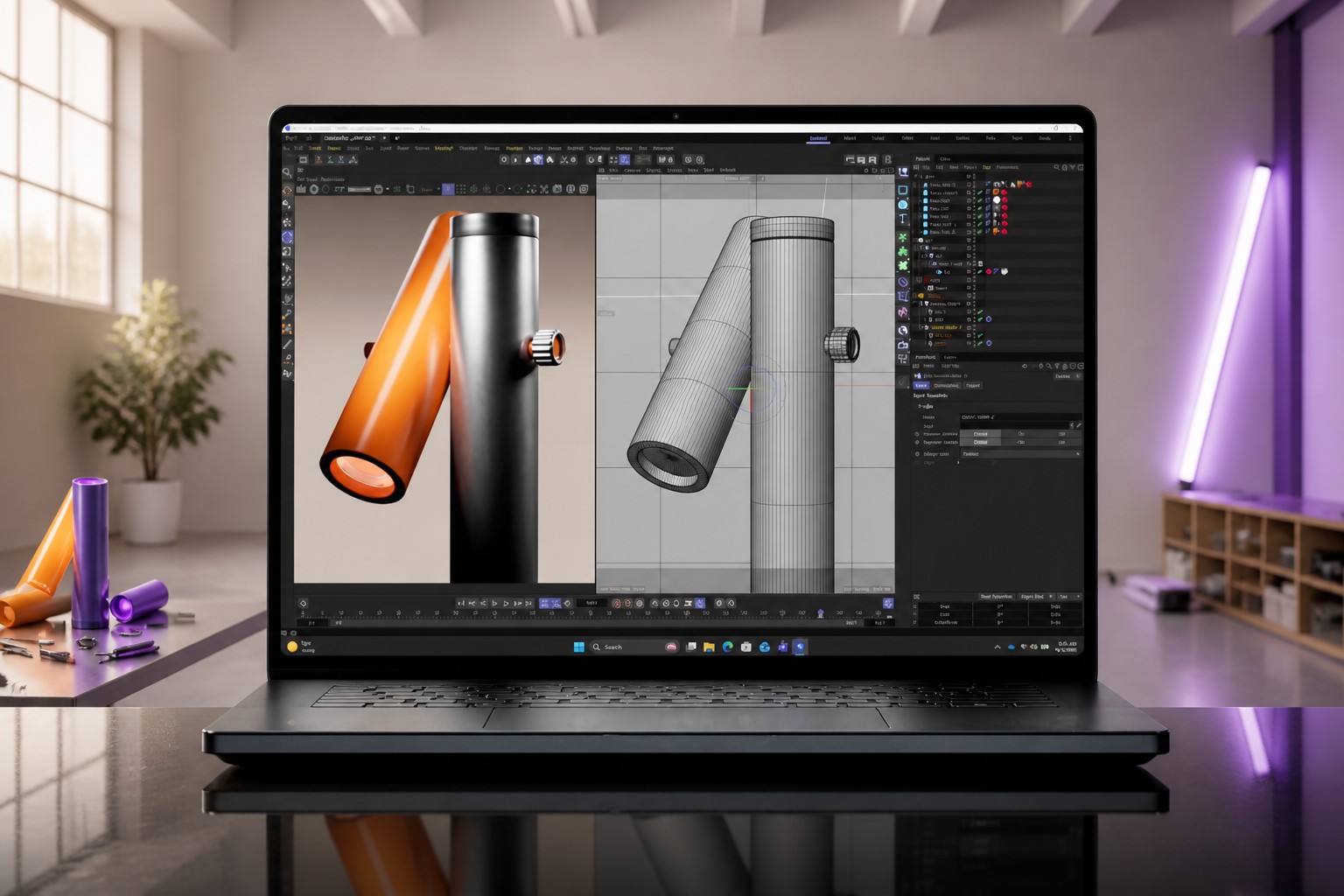
The Surface Laptop Ultra starts at $2,600, with a more powerful chip option from $3,700. Upgrades to memory and storage bring the price to $5,900; Microsoft says that configuration has already sold out.
The Surface RTX Spark Dev Box, based on the RTX Spark chip, starts at $6,000. It comes with Microsoft developer tools preinstalled:
Microsoft says both computers can run AI models locally for free. Their hardware changes include processors and graphics processors suited to the workload, unified memory and improved cooling.
The systems also run an updated version of Windows 11 with a feature called Runtime Containers, which Microsoft says makes it easier to isolate AI agents. CEO Satya Nadella said at the event that the feature will be available to all Windows 11 users.
The platform is the larger bet
Nadella said Microsoft had learned over the past three or four years that a model alone is not enough. Agents also need orchestration, memory outside the model, and a layer that brings together multiple models, context, memory and the space of possible actions.
He added that Microsoft is making this capability available not only to its own applications, but also to applications that work with agents from other developers. That is how the company sees Windows developing.
The positioning is clear: these PCs are aimed at developers, with Microsoft offering up to $1,000 off for customers who trade in a MacBook Pro. Macs have become popular among developers and fans of AI agents, particularly in Silicon Valley. Microsoft also says the graphics hardware makes the Surface suitable for content creation, video processing and gaming.
Dell announced a Windows PC with an Nvidia RTX Spark chip on Wednesday, too. Its Dell XPS 16 Creator Edition is available for preorder at Best Buy, with deliveries expected in late October, priced at $3,800.
I think the more consequential part of Microsoft’s announcement is the promise to bring Runtime Containers to all Windows 11 users. The new hardware is expensive, and Microsoft has not given details here about what local model workloads it can handle. The platform claim reaches much further: if agent isolation becomes a standard Windows capability, the value of the launch will depend less on who buys these PCs than on what developers build for the wider Windows base.
Daily AI news
Every day we pick what actually matters in AI and explain it plainly — no hype, no filler. Subscribe if you want to follow where the industry is going.
Only what matters — every day
Follow on X