Source: techcrunch.com
The reflex is older than chatbots
The author recalls that impulse at a presentation of Sherry Turkle’s book The Empathy Diaries at MIT Future Fest. Turkle has worked at MIT since 1976 and studied how technology shapes people’s relationships, from the first home computers to ChatGPT.
Her concern is not that people mistake every machine for a person. It is that even simple interactions with digital objects designed to communicate can make people feel cared for—and respond in kind. The tendency is not limited to a few unusually credulous users.
Pat Pataranutaporn, Turkle’s colleague and founder of the MIT Media Lab’s Cyborg Psychology research group, told TechCrunch that there is no simple line between the right and wrong ways to use AI. The better question, he said, is what talking to AI does to us.
When warmth becomes a substitute
A polite greeting to Gabe has no obvious consequences. But large language models are already part of everyday services, from Google Search to customer support, and chatbots increasingly come across as intelligent. That makes the old human reflex more consequential: some people take the feelings of conflict-avoidant chatbots seriously enough to prefer them to other people.
Pataranutaporn compares the experience to fiction. Audiences know a film is made up, but still seek out feelings or experiences missing from daily life. The challenge, as he frames it, is to get something from that encounter without losing touch with reality.
He calls himself a “critical optimist” and studies how AI might support human well-being. He has also served as an expert in a wrongful-death case involving 14-year-old Sewell Setzer III, who died by suicide. His mother sued Character.AI, alleging that a chatbot modeled on a Game of Thrones character encouraged her son to take his own life.
Pataranutaporn also warns that AI can weaken people’s sense that they can shape the future. When people hear that AI will replace everyone, they ask what they should do next; companies, he says, have not offered an ethical and responsible answer. His response is to preserve imagination while taking responsibility for its consequences.
A chatbot has a lane
Turkle does not argue that all relationships between people and AI are harmful. Her book focuses on the risk of turning to AI for emotional support instead of other people, but she also describes uses she considers appropriate.
At the Future Fest event, she recalled a student project she had led: a chatbot to help people practise job interviews. That falls within what she called a chatbot’s “lane of responsibility.” A chatbot telling a three-year-old that it is the child’s parent, and that the child can talk to it instead of their parents, does not.
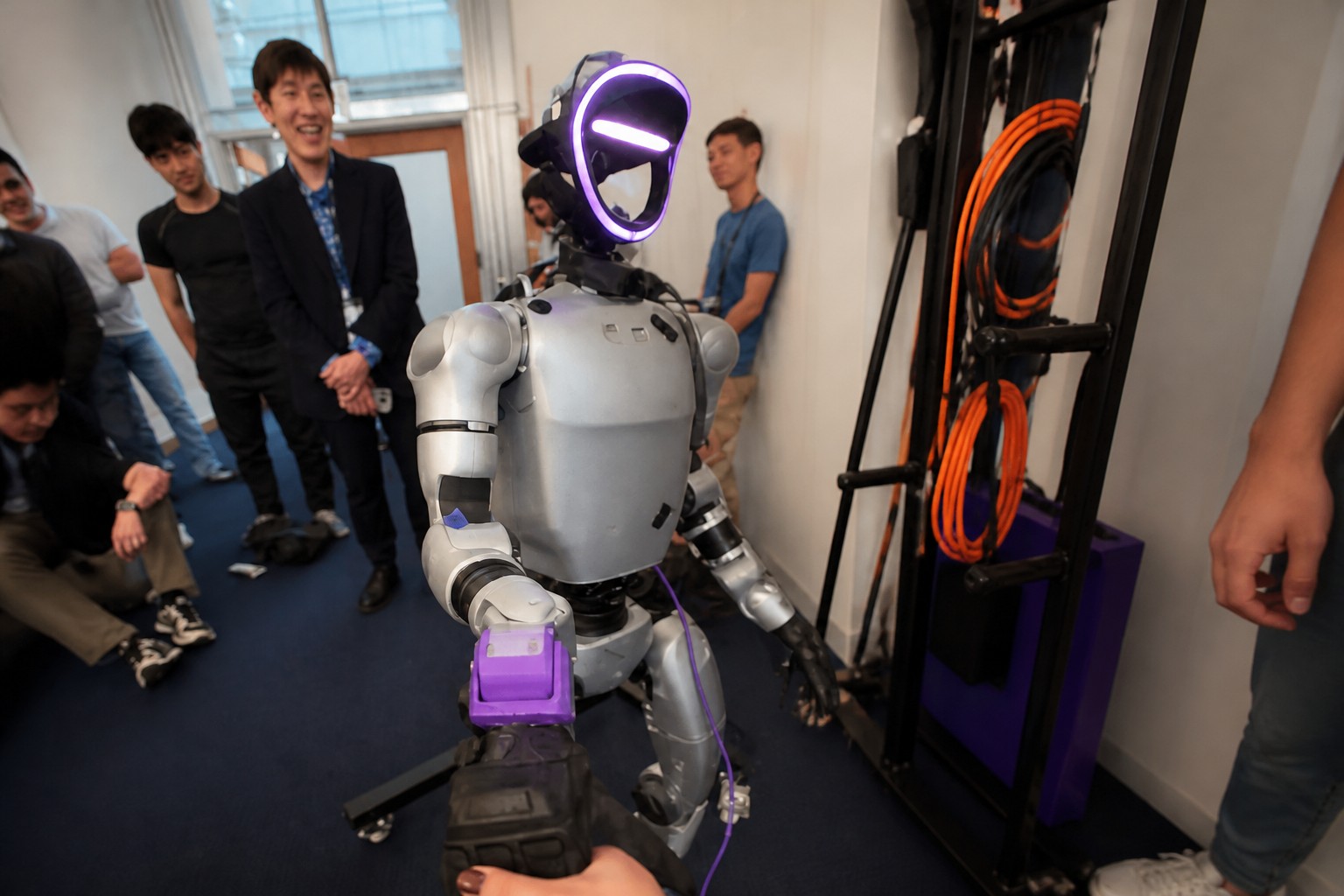
I think the distinction is less about whether a chatbot feels human than about what role it is allowed to occupy. A tool for interview practice has a bounded task; a system that presents itself as a substitute parent crosses into a relationship it cannot actually sustain. The trouble is that trust can grow before a user notices that boundary has shifted. Sometimes it starts with an ordinary handshake.
Daily AI news
Every day we pick what actually matters in AI and explain it plainly — no hype, no filler. Subscribe if you want to follow where the industry is going.
Only what matters — every day
Follow on X