
A forecast with no consensus
Soares still has a 401(k) account from his time at Google, but he says he has not contributed to it for ten years.
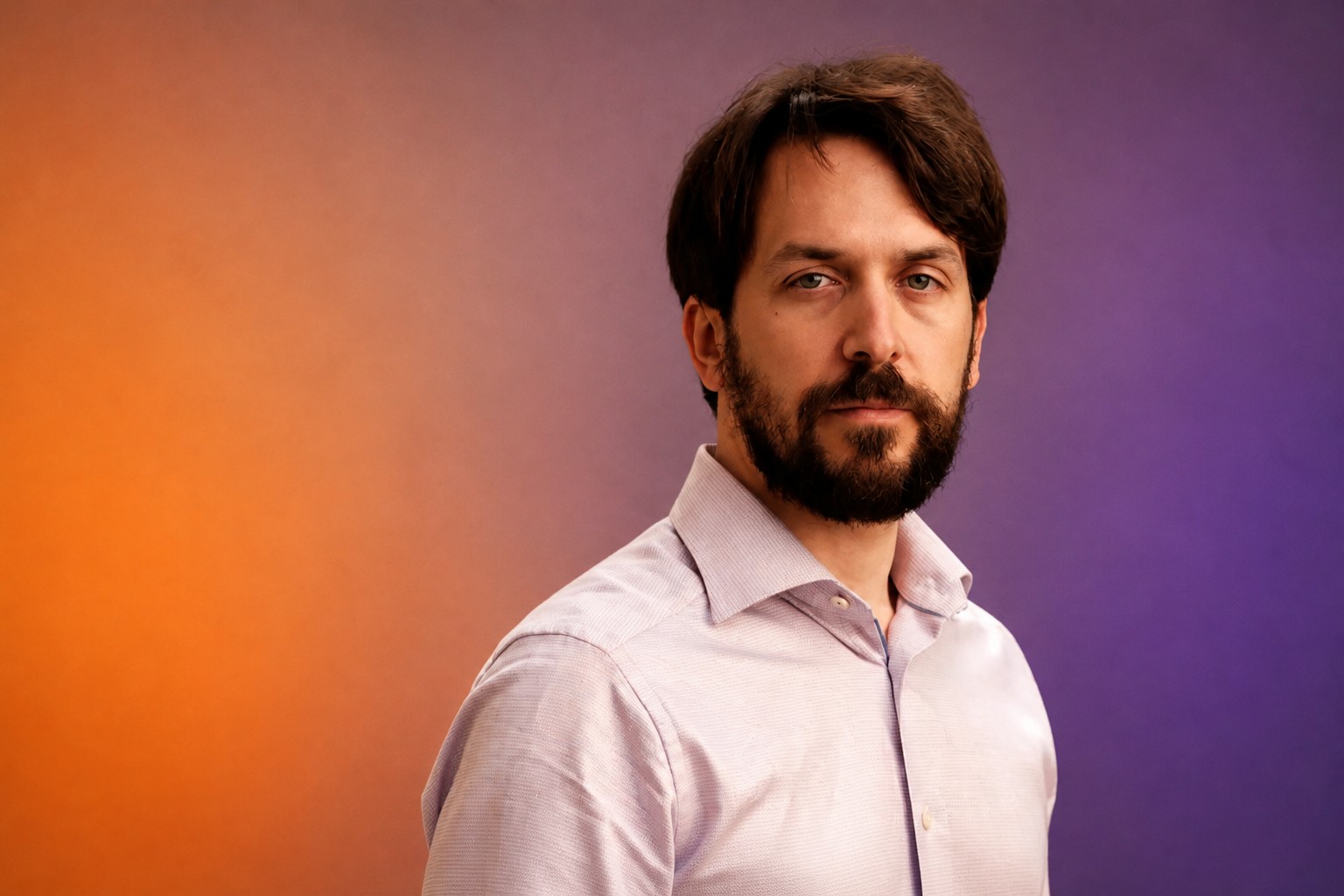
He is a close ally of Eliezer Yudkowsky at the Machine Intelligence Research Institute. Their warnings about AI catastrophe have brought them media attention, book deals and direct access to politicians. But critics point out that researchers do not agree on whether such a catastrophe is possible, let alone how likely it is.
Soares said: “I’m doing everything I can to prevent it.” He does not consider catastrophe inevitable.
The risk already here
The argument over future catastrophe can crowd out harms that are happening now. AI has already been used to bomb elementary school students, defraud elderly people and drive dozens of vulnerable users to suicide. None of that requires superintelligence.
I think that distinction matters: a low-probability future threat is not the only reason to take AI seriously, and a focus on extinction can obscure damage the technology is causing today.
On retirement, the safer choice is to keep saving rather than risk regretting a missed opportunity. If AI does destroy humanity, the account will not matter. But Soares’s bet rests on a forecast that remains contested—and the costs of getting that forecast wrong are not limited to his retirement balance.
Daily AI news
Every day we pick what actually matters in AI and explain it plainly — no hype, no filler. Subscribe if you want to follow where the industry is going.
Only what matters — every day
Follow on X