
From earbuds to a ring
Natura was founded by Carlo Edoardo Ferraris, who previously created technology-accessory company Rolling Square. Its earlier product, HumanPods, was a pair of AI-enabled earbuds built for interacting with agents. The company now argues that advances in voice technology call for a different form: one people can keep on throughout the day.
Ferraris told TechCrunch that Natura came to see constant access to AI agents as the goal. The ring can stay on in the shower and while sleeping, making it a more persistent interface than a device someone has to pick up.
The company describes uses ranging from asking the ring to start workout tracking on a run to requesting the day’s schedule in the morning. It could also order shampoo, turn off a television when the wearer falls asleep, set an alarm, or send meeting notes to a colleague.
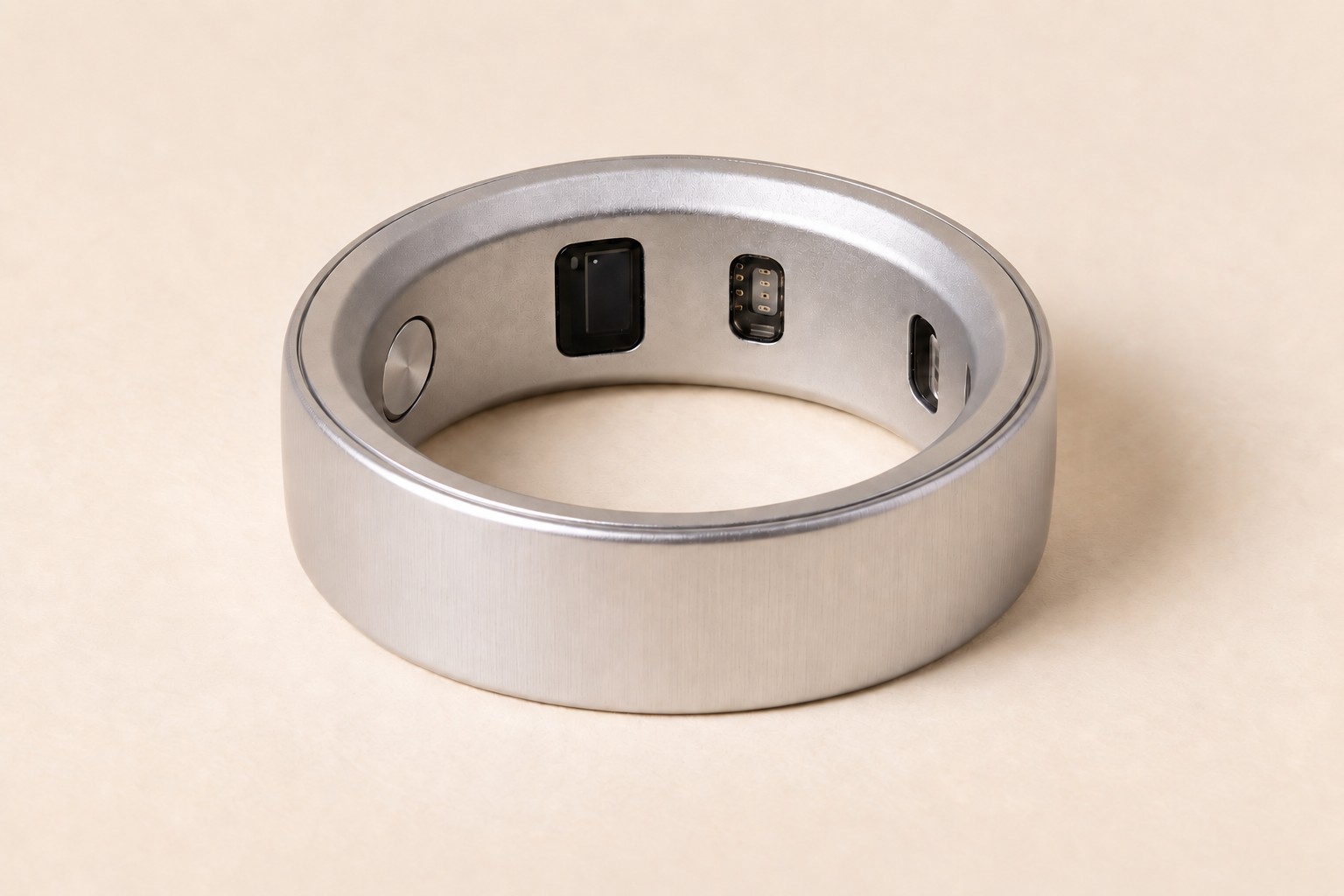
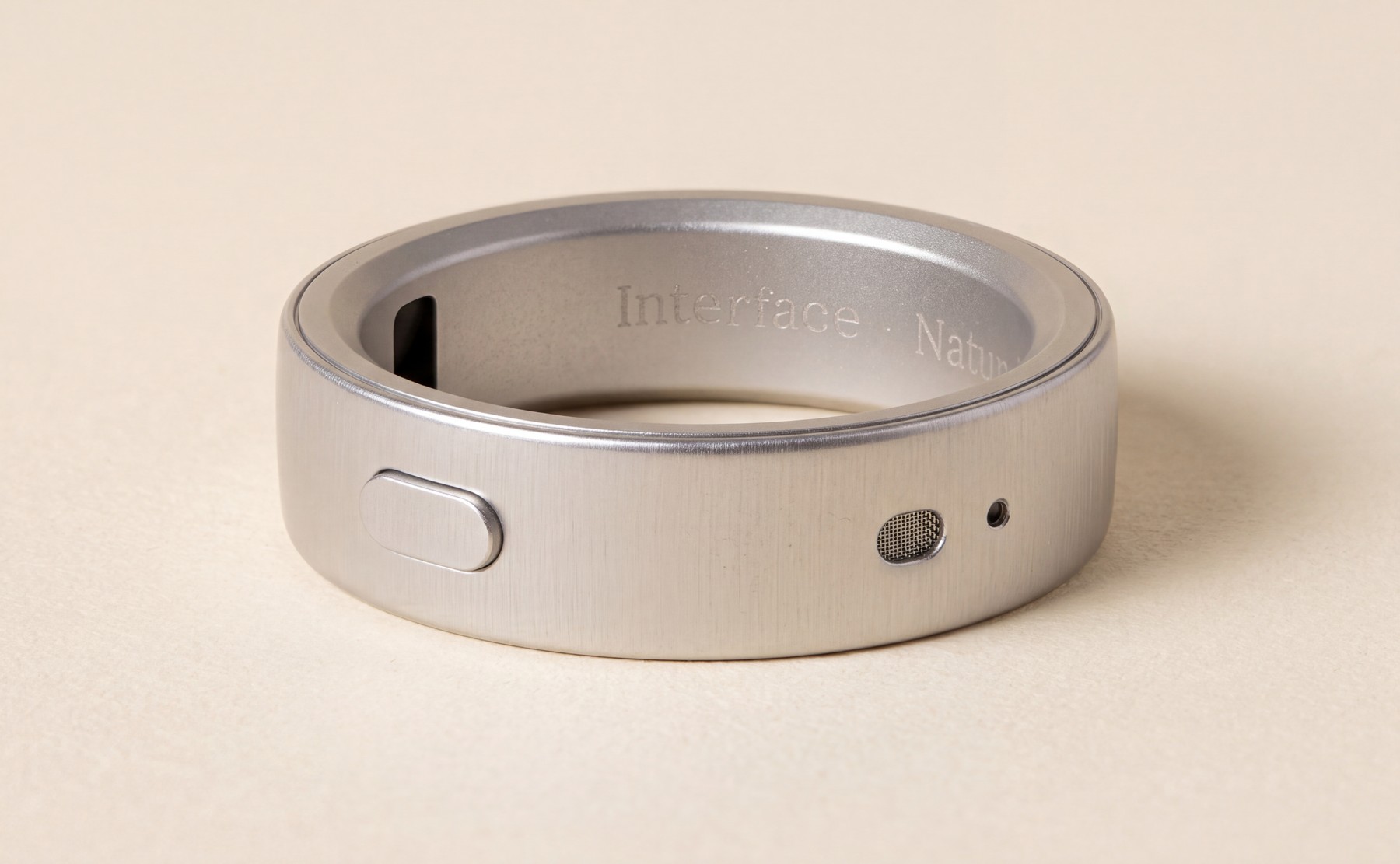
Responses can come through connected earbuds, the “Live” feature on iPhone, or the NatureOS app. People using several agents and apps will be able to assign tasks to specific ones: Claude for code, Instinct for booking a table, and Grokbot for another request.
Interface is also meant to control devices, including computers. Ferraris expects agents to take over more computer tasks over time, with voice commands replacing some work now done through screens: filling out forms, messaging in apps, finding files and preparing presentations.

A low entry price, then a subscription
Interface will launch at $99, a price Natura plans to raise later. The company wants to get the ring into users’ hands and build demand first. After the first three to six months of free use, Natura intends to charge $9 a month.
Natura says its production costs are comparable to those of the Oura Ring and Samsung Galaxy Ring because the devices use many of the same components. The lower initial price is meant to reduce the barrier to adoption.
The ring also tracks health: heart rate and resting heart rate, heart-rate variability, sleep stages, daily activity, steps and skin-temperature trends. A full charge lasts 6–12 days, depending on use, and takes 100 minutes.
The smart-ring market already includes health trackers from Oura, Ultrahuman and RingConn, as well as AI-featured rings from Pebble and Vocci. Ferraris says Interface combines those two directions: health tracking with components for connecting to agents, recording meetings and storing external memory.
The interface is the claim
I think the more consequential bet here is not that a ring can issue voice commands. It is that people will want a personal agent close at hand often enough to make a dedicated device useful. Natura’s own expectation is that early buyers will mostly come from the technology industry, because personal agents are not yet common.
The announcement leaves open what the ring can reliably do across all those agents and apps, and how much of the experience depends on the phone, earbuds or NatureOS. At $99, the hardware lowers the initial commitment; the planned subscription makes sustained use the real test. If the ring becomes a daily interface, the monthly fee may feel secondary. If it does not, the combination of sensors and agent access will be a difficult pitch to maintain.
Daily AI news
Every day we pick what actually matters in AI and explain it plainly — no hype, no filler. Subscribe if you want to follow where the industry is going.
Only what matters — every day
Follow on X