What the laws cover
If AI causes mass layoffs, employers must tell affected employees in writing. Newsom also signed an order directing state agencies to keep using the term “artificial intelligence,” in response to President Donald Trump’s recent instruction that US diplomats call the technology “superintelligence.”
“AI should expand opportunities, not take them away from workers and families,” Newsom said. He said California is putting people at the center as the technology changes workplaces.
These measures add to steps Newsom has taken this month:
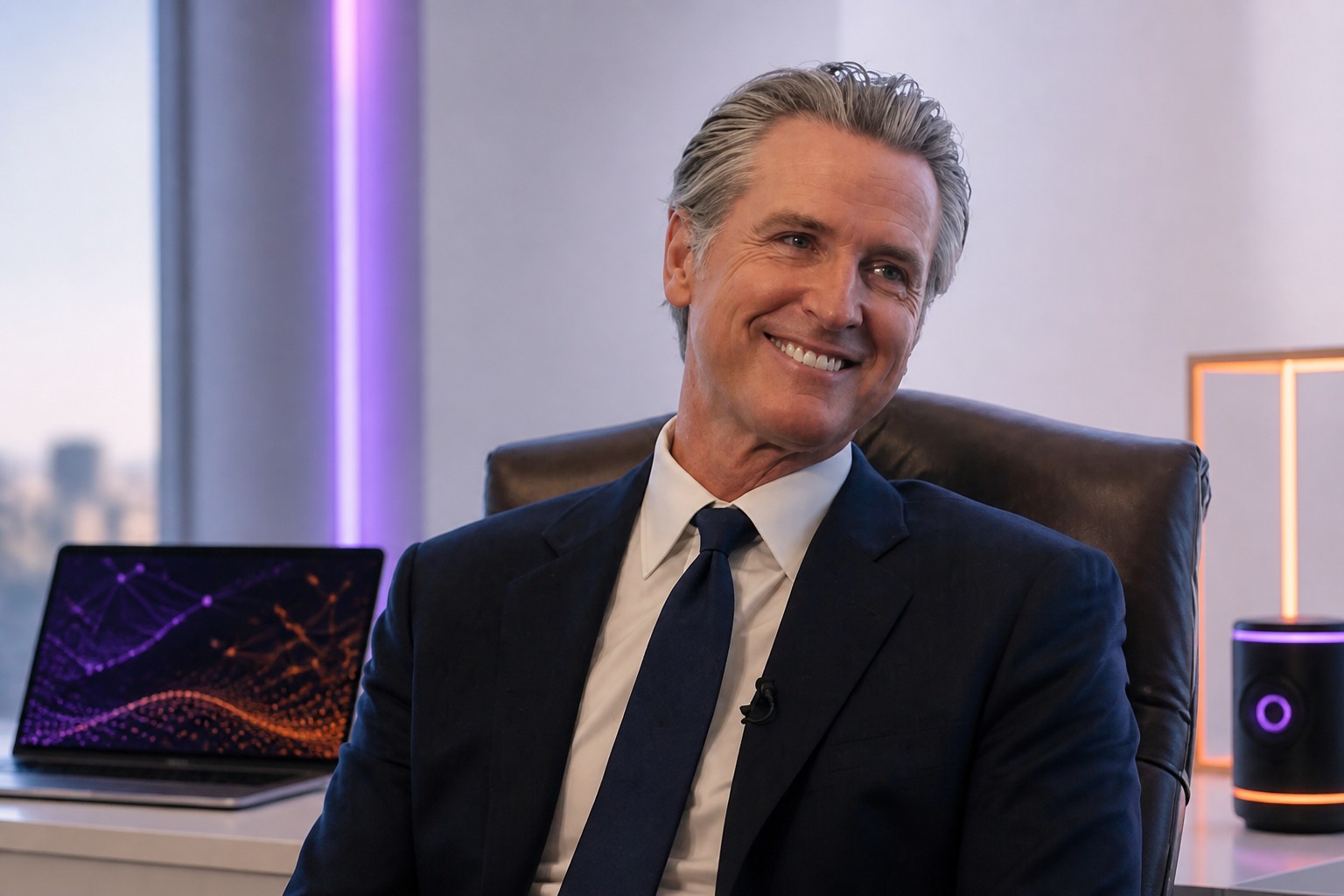
At a one-hour event with journalists on Wednesday, Newsom criticized Trump for not pursuing comprehensive federal AI regulation, despite warnings from industry leaders about the technology’s risks. On Tuesday, Trump said leading technology companies had signed a voluntary agreement and would oversee AI development themselves.
California’s next moves
“Without federal leadership, we have much more to do,” Newsom said. He did not rule out calling a special legislative session to continue work on the issue.
The press conference fell on the last day Newsom could sign or veto bills before his term ends in January. He opened the event by signing a tax-credit bill for local news organizations, including newspapers, digital publications and television stations. The program is intended to help them hire journalists and retain staff.
The event also put the AI measures alongside a wider political argument: Newsom has criticized Trump over press freedom and said the November midterm elections matter for his party. Last year, he led Democrats in a campaign to redraw electoral districts to improve their chances of winning seats in the House of Representatives.
“2028 will not be a free and fair election if we don’t take back the House,” Newsom said Wednesday.
He sidestepped a question about when he would decide whether to run for president in 2028: “That moment will come when it comes.” Former Democratic presidential candidate Kamala Harris, like Newsom, is from the San Francisco Bay Area and has also said she is considering a 2028 run. Newsom recently told CNN he would not run if Harris entered the race; he said they had not spoken since the interview aired.
The question the laws leave open
I think the measures are most consequential where they set a clear boundary: employers cannot use biometric data to predict workers’ emotions or rely on AI to decide to fire them. But the announcement says little about how those limits will be enforced, or what happens when AI contributes to a layoff without being its sole cause. Written notice makes that role visible; it does not, by itself, establish accountability.
Daily AI news
Every day we pick what actually matters in AI and explain it plainly — no hype, no filler. Subscribe if you want to follow where the industry is going.
Only what matters — every day
Follow on X