
Fallout from the protests
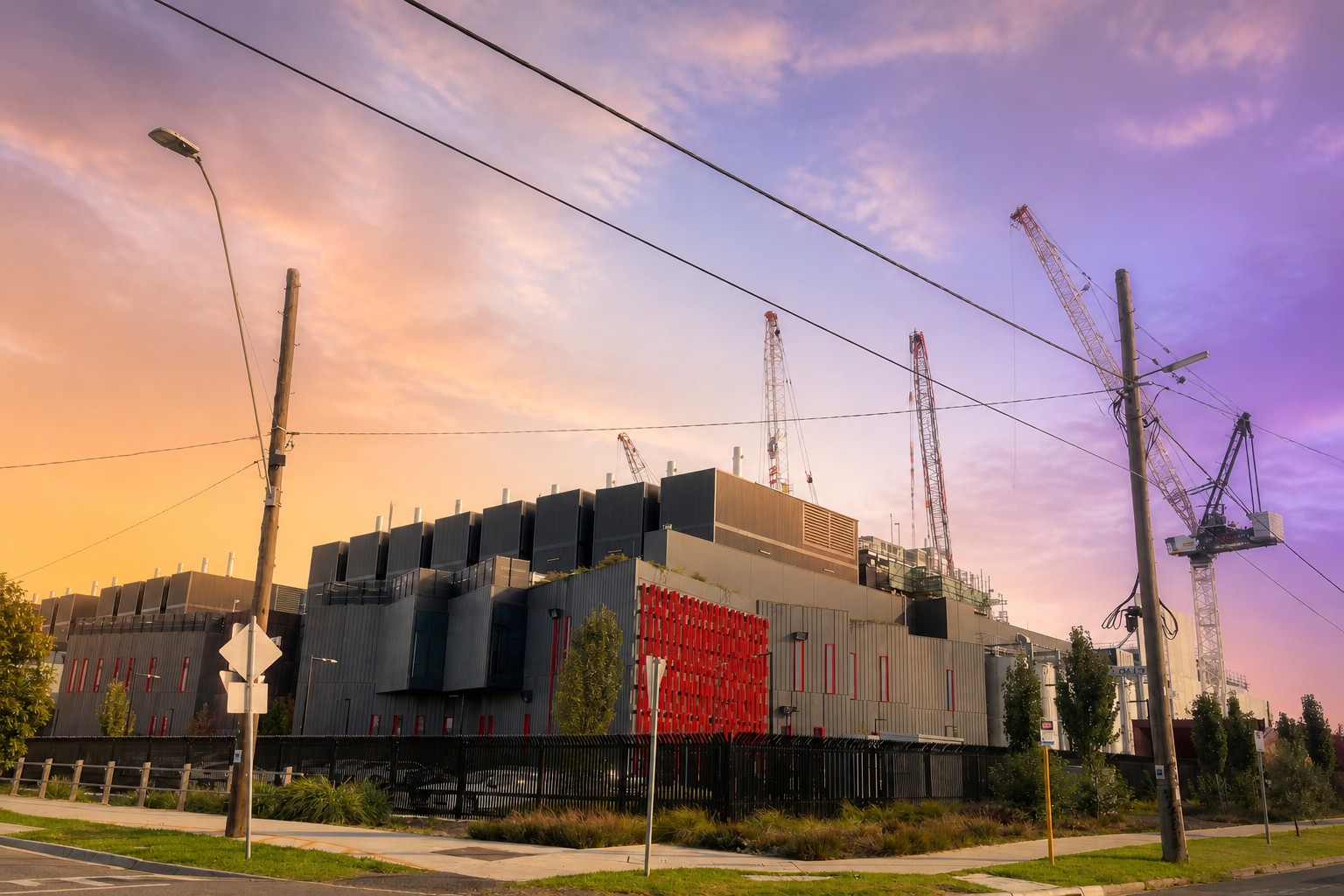
NextDC held its annual meeting after being forced to delay the contentious expansion of its M3 site in inner Melbourne. Jemena suspended construction of new 22-metre power poles after residents protested.
As NextDC shares recovered, competitor Goodman Group acquired almost 10% of the company. Shareholders again expressed their disapproval of executive pay at the meeting. But on Friday, a motion to re-elect the entire board was decisively rejected.
NextDC CEO Craig Scroggie called it the toughest meeting of his 15 years at the company and took responsibility for project delivery, power supply, planning, permitting, construction and support for local residents.
He said the company should have worked more closely with its power and construction partners, as well as the local community, on M3. Scroggie said NextDC is now building those relationships.
He added that residents should have had a chance to speak up earlier, before Jemena began work. The experience with M3, he said, has changed NextDC’s approach to planning, construction and living alongside local residents. The company has been building data centres across Australia for more than 15 years, but the trust it had earned in the past is no longer enough: public expectations have changed as artificial intelligence has spread.
New rules for working with residents
NextDC will set up a community advisory committee, including a permanent forum for residents and local stakeholders. The company will also launch a dedicated website for its projects and communication channels with set response times for complaints and questions.
NextDC chair Doug Flynn said the company would change how it selects sites for future construction. Protests against data centres are now significantly stronger than they were about six years ago, he said, so NextDC does not intend to seek new sites near residential properties.
Flynn stressed that the M3 site in inner Melbourne had been used for industrial purposes for around 100 years. Before the data centre was built, it housed petrochemical operations.
After protests against the tall power poles delayed the M3 expansion, the Jemena employee responsible for community engagement left the company. Flynn said Jemena acknowledged that work had continued without proper regard for local residents’ views, and that the company had faced serious opposition.
A Jemena spokesperson declined to comment but referred to a September company statement saying its general manager of electricity networks had decided to leave the role.
Dataist's take: NextDC is changing its approach to data centre locations after protests affected the project timeline and the company’s share price. Promises to create new feedback channels accompany the decision not to build near homes, but the source does not say how the company will define proximity to residential areas.
Daily AI news
Every day we pick what actually matters in AI and explain it plainly — no hype, no filler. Subscribe if you want to follow where the industry is going.
Only what matters — every day
Follow on X