
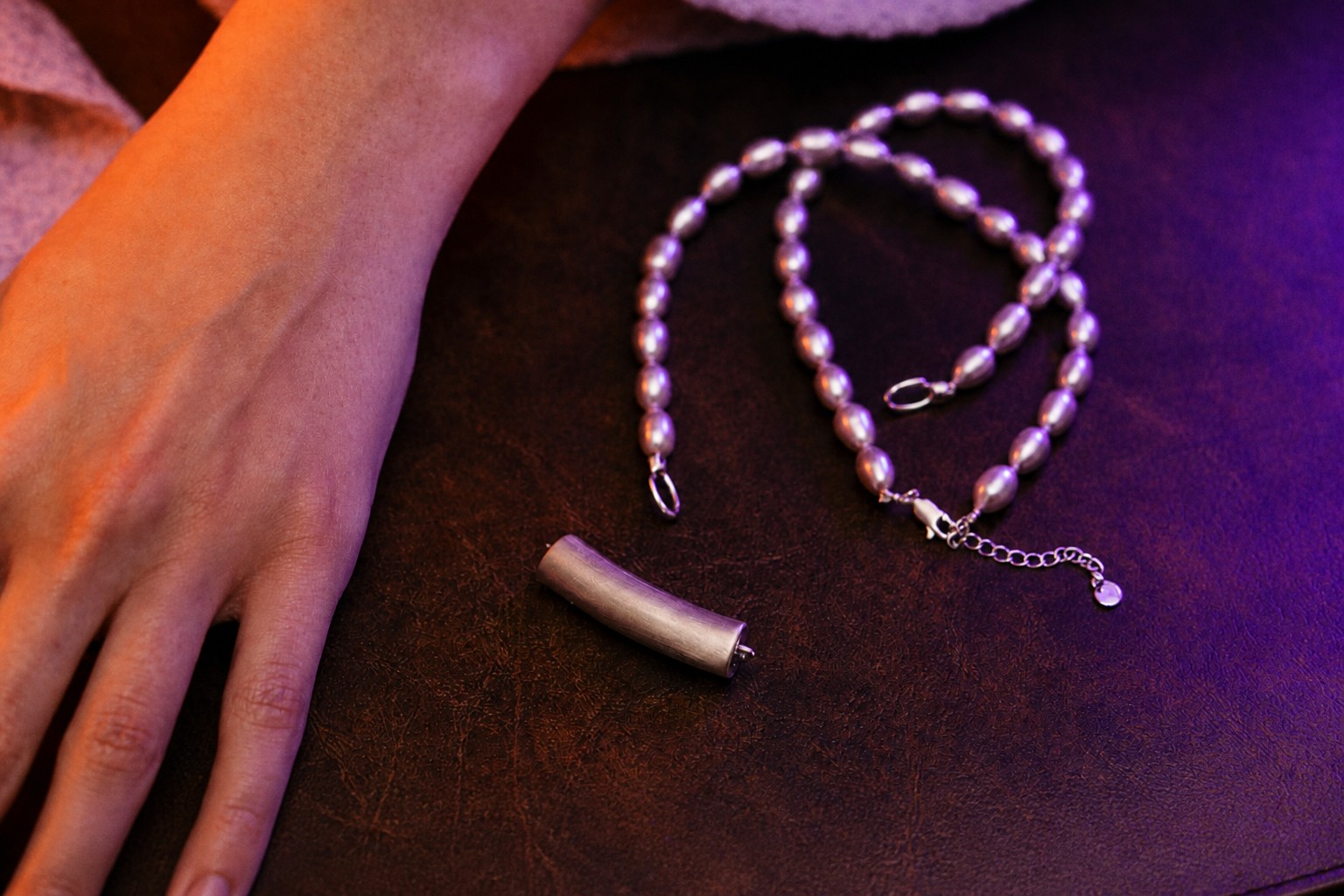
A pendant built for daily wear
Nirva raised a new $25 million round before beginning its main funding stage. Earlier this year, it raised $8 million from investors including Lightspeed and South Park Commons, bringing total funding to $33 million.
Founded in 2025, Nirva was started by former Meta Reality Labs employees Wei Liu and Jason Chen, alongside Hanying Hu, the creator of a clothing and jewelry brand.
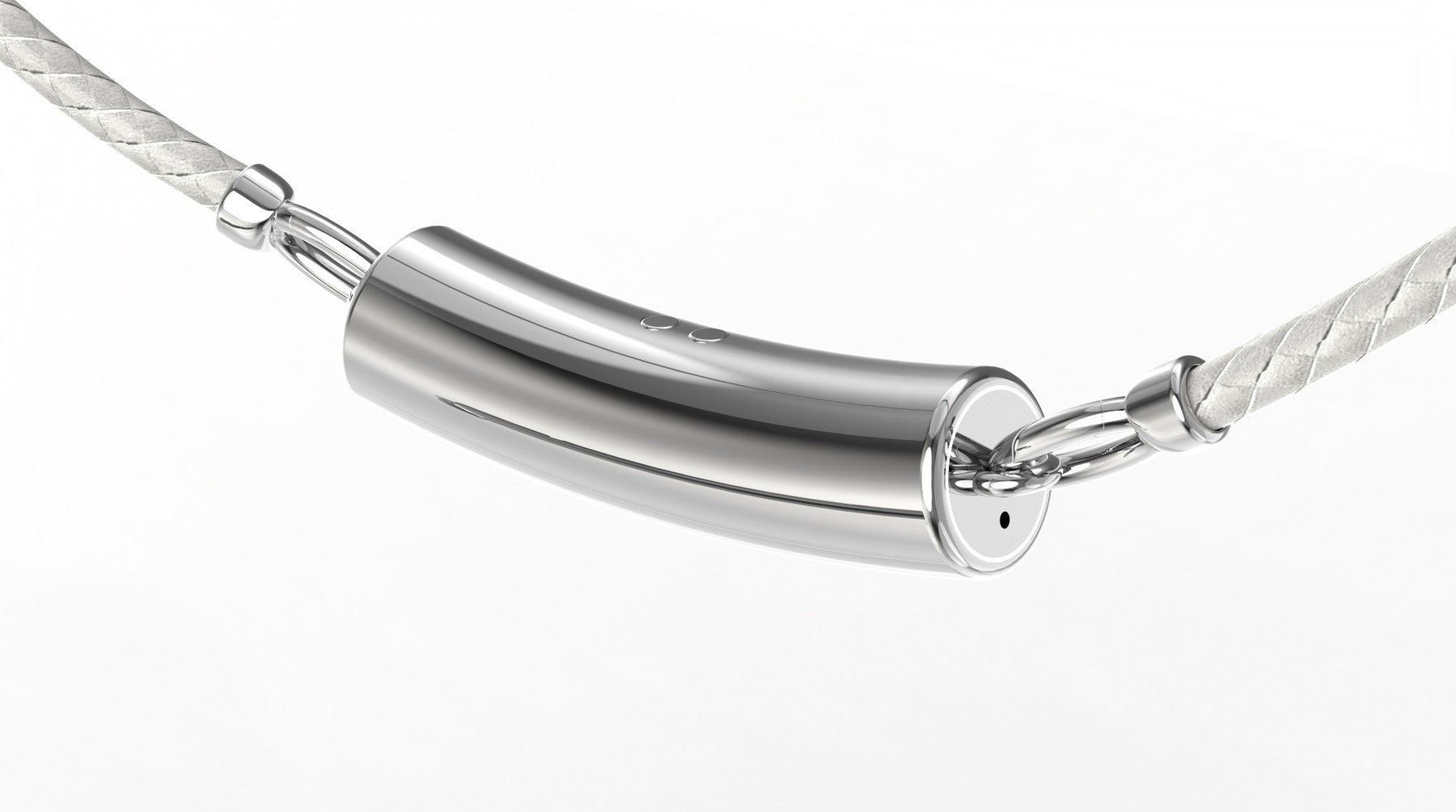
Its first device is an eight-gram pendant that can also be worn as a bracelet. Nirva says a charge lasts up to three days. The company plans to make other devices in the future.
The product arrives as several companies explore AI that runs throughout the day. Amazon released a wrist-worn device with Bee; a former Plaud executive launched always-on AI apps through the startup Ambi and plans to develop a device; and Apple introduced Voice Intelligence features during its iPhone presentation in September.
Listening without keeping recordings
Nirva says the pendant listens only to its wearer. Unlike Taya, Vocci and Sandbar Ring, which Liu described as devices for recording or taking notes in meetings, it passively listens to the user’s speech and builds a model of their habits and thinking.
To set it up, users record several samples of their speech. The device uses them to identify the wearer and filter out conversations and data from people nearby. After processing conversations, Nirva says it does not retain audio or transcripts by default.
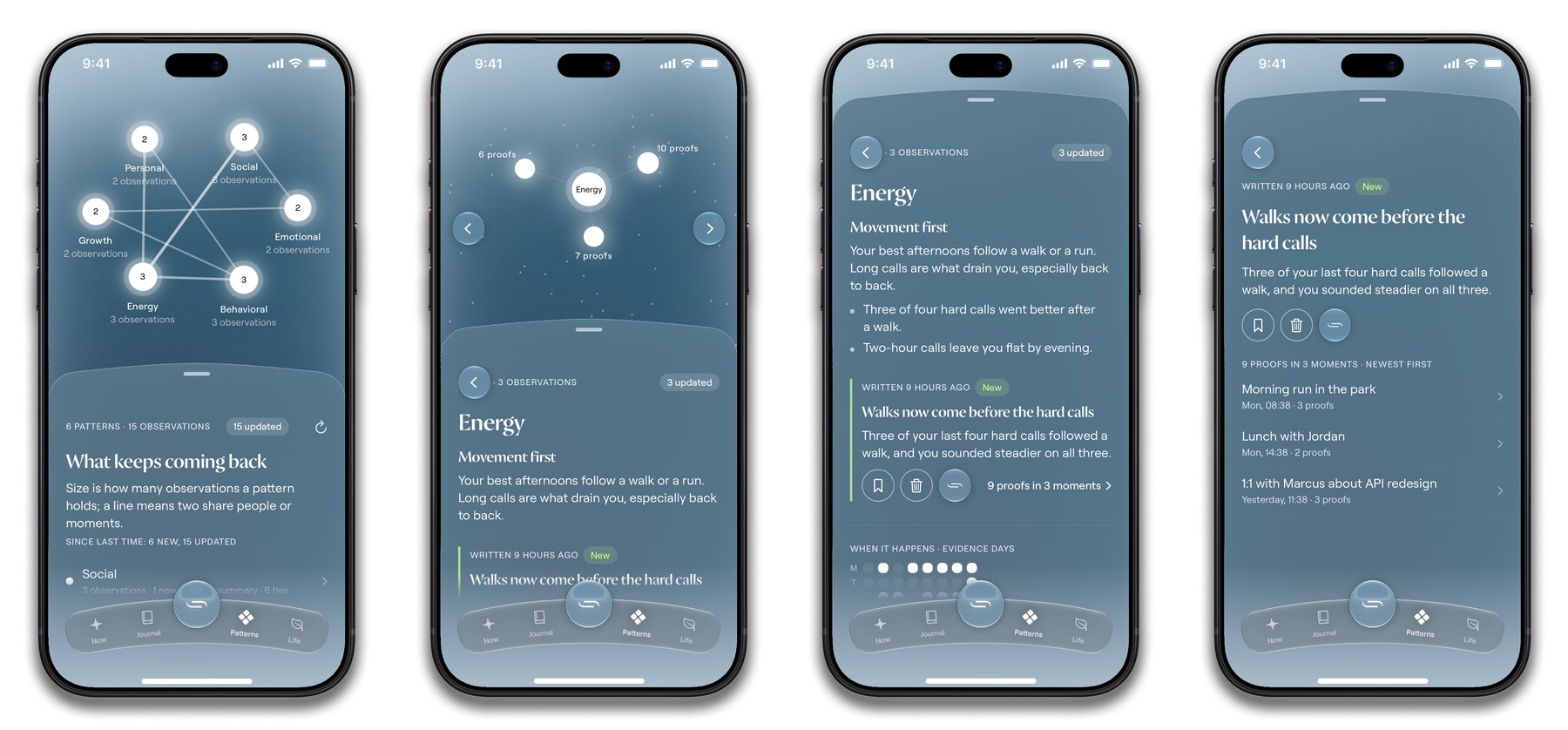
The app turns the speech into a profile of the user’s day and behavior. It looks for patterns, notes people who are often nearby and places the user has visited, and surfaces information about emotions and communication style, along with suggestions for improving them.
Liu told TechCrunch that Nirva wants to help people understand themselves and maintain better relationships, rather than position the product as a productivity tool. The app can still offer reminders and suggested actions: Liu said it once reminded her that she had forgotten to thank her mother.
Before deleting audio, Nirva tracks the speaker’s tone, pitch and volume, as well as their speaking speed. The company uses those signals to draw conclusions about emotions and display them in the app.
The privacy claim has to hold up
Nirva’s approach addresses a real tension for always-on devices: users may not want to be recorded, and people around them may worry about being captured too. Ray-Ban Meta glasses have raised similar concerns among people near the wearer.
My read is that Nirva’s hardest problem is not whether it can extract patterns from speech, but whether users and those around them trust its claim that it captures only one person. The company describes a filtering system and default deletion of audio and transcripts; the announcement does not say how reliably that filtering works in ordinary conversations.
Nirva will begin taking orders in November and expects to ship the first devices by the end of the year. The pendant will cost $249 and come in silver, matte silver, black and gold.
The company is not alone in AI wearables: former Apple employees are developing smart jewelry at Taya, while Friend and Bee are also working on companion devices. Nirva is asking buyers to wear an always-listening device close to the body; its privacy promise will need to feel as tangible as the pendant itself.
Daily AI news
Every day we pick what actually matters in AI and explain it plainly — no hype, no filler. Subscribe if you want to follow where the industry is going.
Only what matters — every day
Follow on X