
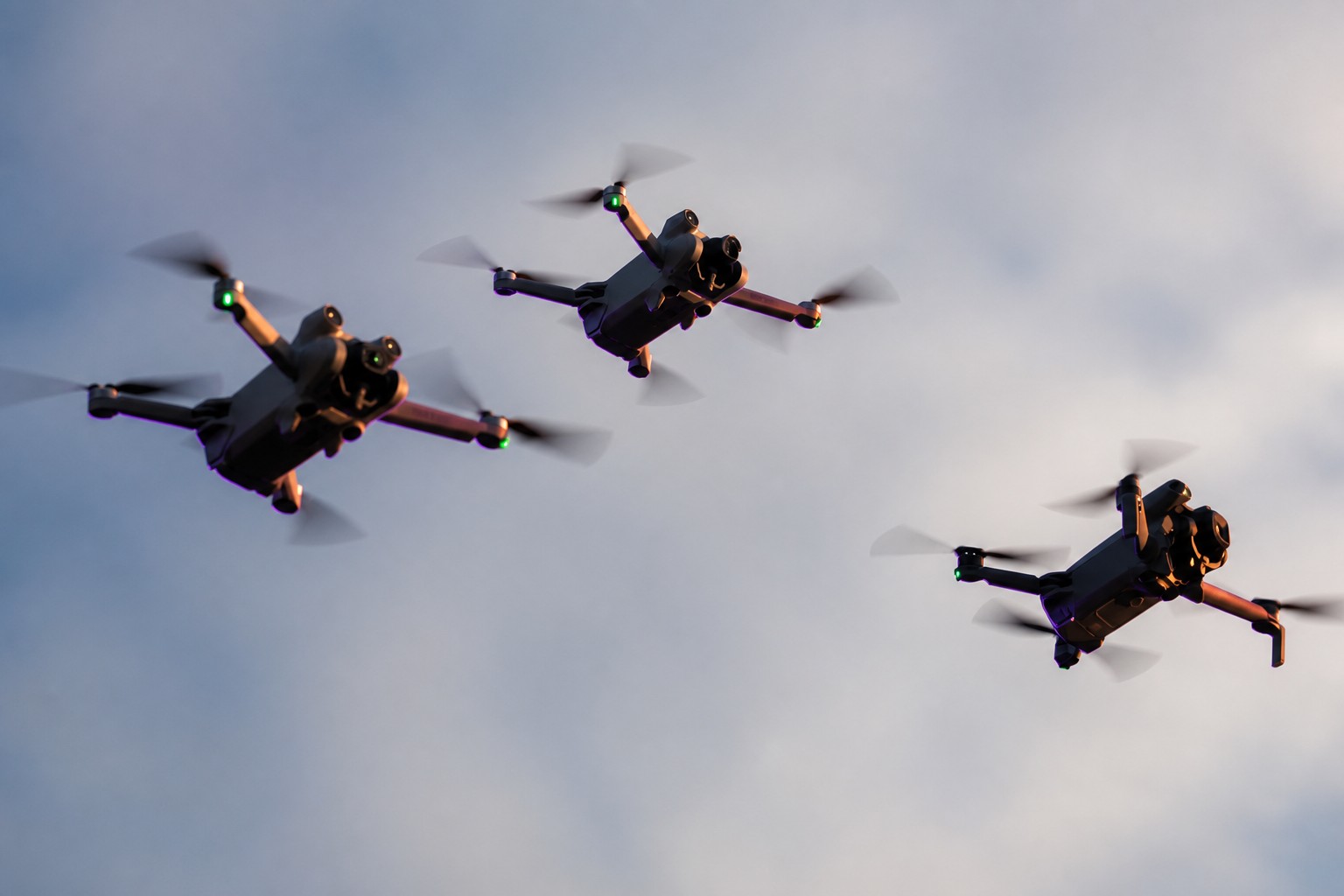
NMITE has opened a degree in autonomous systems, robotics and drone technology in which serving British soldiers study alongside civilian students. The soldiers come off active duty for three years, take the course, and are expected to carry the engineering back into the army afterwards. The mechanism is the news here: the army is not procuring this expertise or contracting it out, it is pulling people out of the force for three years to grow it inside.
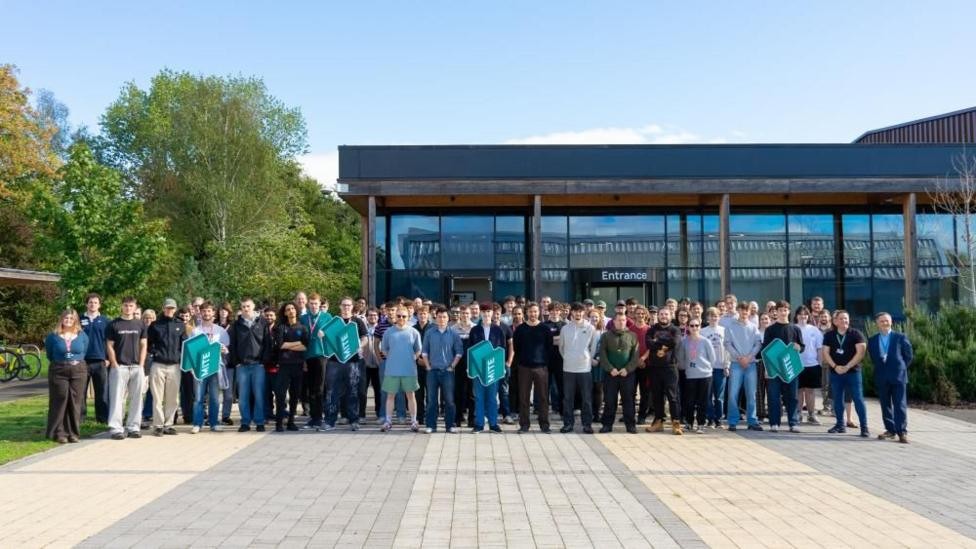
Students on the new autonomous robotics course will study alongside serving soldiers
Source: bbc.co.uk
For some of the service members, the change of pace has been abrupt. Sergeant Callum Dervey, 31, joined the army at 18, having left school with what he calls "a few GCSEs". Thirteen years later he is back in a classroom where most of the students are considerably younger than he is. He said returning to academic work already feels difficult, and that he expects it to get easier with time.
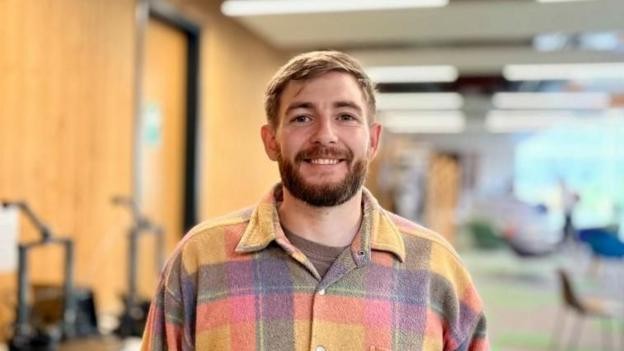
Dervey said the army wants to build up engineering expertise and to adapt more quickly to new threats. Experience gained from working with academic institutions, industry partners and end users, he said, can then be passed to soldiers in field units, and that will matter especially in the future.
James Newby, NMITE's president and chief executive, said the programme was built around defence and security requirements but that its applications are not limited to the military. The syllabus covers autonomous systems, robotics, control, mechatronics and systems thinking — skills Newby said are in demand in industrial manufacturing, agriculture and humanitarian work.
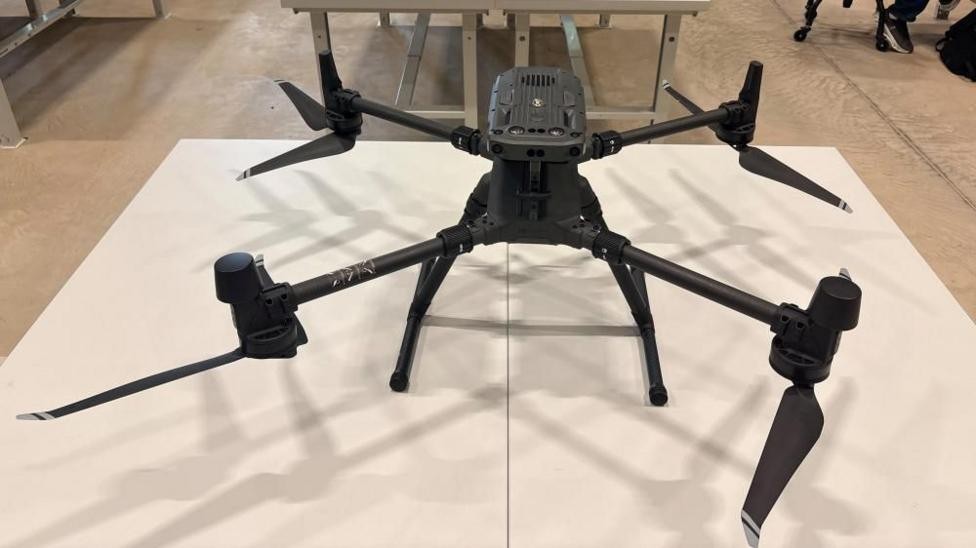
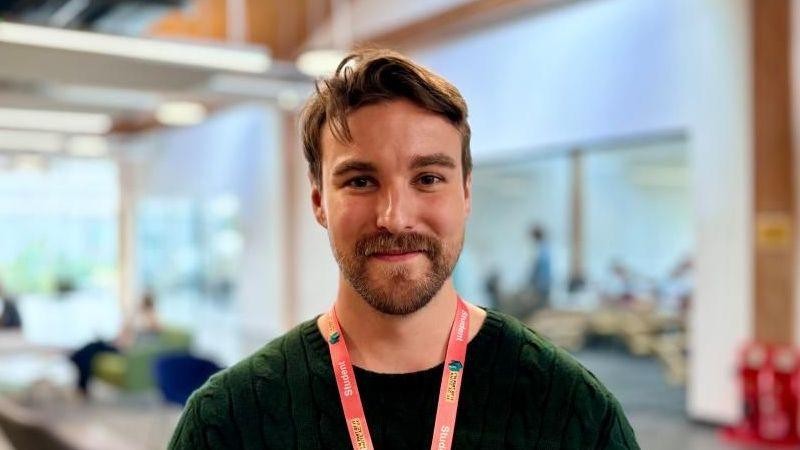
Matthew Ryall is on the three-year MEng. He said conversations with the teaching staff widened his sense of what he could do afterwards, and that the options now look close to open-ended: manufacturing, the defence industry, work on air, ground or underwater systems.
The dual-use framing is the softest part of this. Any autonomy curriculum anywhere can claim agriculture and humanitarian work, because control theory does not know what it is steering. Newby's list reads less like a forecast of where these graduates go and more like a prepared answer to the question a university faces when it builds a defence programme. The structure is more honest than the prospectus: the course was designed around defence and security, and the army is giving up three years of a sergeant's service to sit in it.
The three years are also the weak point, and Dervey's own justification is what exposes it. Adapting faster to new threats is the stated goal; a three-year absence is not a fast instrument. Whatever counts as a new threat when he graduates is unlikely to be what counted as one when he enrolled, which means the durable value cannot be the specific airframes and autopilots he learns on. It has to be systems thinking — the one item on Newby's list that does not go stale, and the one that is hardest to demonstrate a return on to anyone holding a budget.
Notably absent from all of this: how many soldiers are on the programme, what it costs, what role or rank they come back to, and whether they owe the army any service in exchange for the degree. Those are the numbers that separate a policy from a pilot, and none of them were given. The omission matters most at the far end. Ryall, a civilian on the same course, has already been told his options run from manufacturing to defence to underwater systems. The army is about to produce graduates with exactly that portability, and it has said nothing about what holds them.
The bet is that a soldier who can assemble, program and operate a drone is worth more to the army than another contract for drones. The three years it takes to prove that are also three years in which everyone on Ryall's list gets to bid for the same person.