
A species still short of recovery
Chestnut blight spread across North America in 1904, carried from Japan and China with imported chestnuts. The fungus killed an estimated 4 billion trees in the United States. Wild American chestnuts now mostly persist as stumps whose shoots fail to reach maturity.
Disease-resistant hybrids have kept the species alive, but mature groves remain scarce. In 2023, the continental United States had fewer than 4,300 acres of bearing chestnuts.
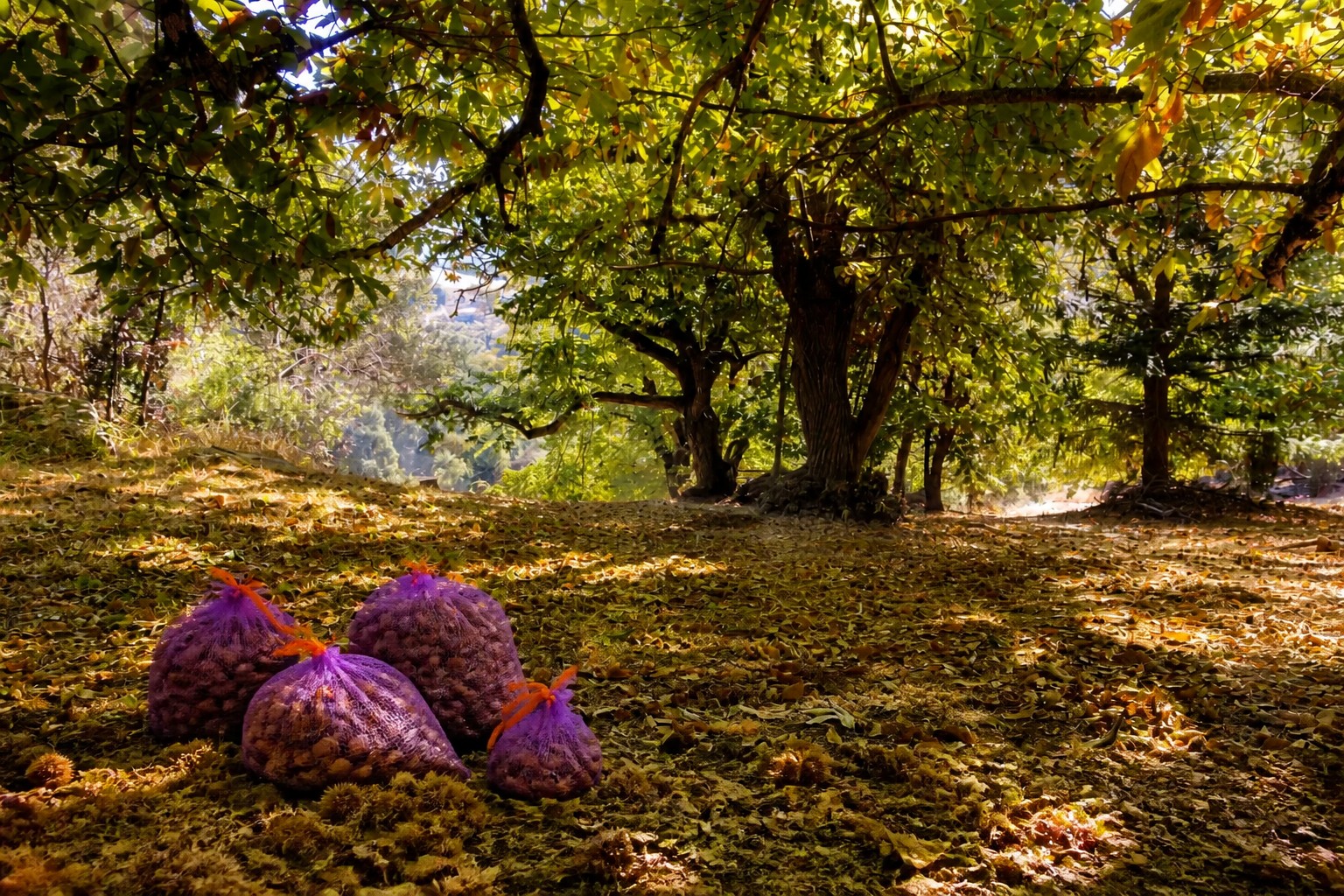
The West Virginia grove was planted in the 1970s from seeds collected from surviving wild American chestnuts. According to From the Front Lines: Struggles for Justice, it is an important store of genetic material and a major seed source for restoring the species across the state.
A large campus, and a small piece of the puzzle
Nscale is developing the Monarch Compute Campus “in collaboration with Nvidia and Caterpillar,” according to the company’s announcement. Current plans call for a complex spanning more than 2,250 acres, with 8 gigawatts of computing capacity for AI companies, including Anthropic.
Nscale says the project represents more than $20 billion in investment and describes it as one of the largest single investments in AI infrastructure in US history. At that scale, stopping construction may be difficult. But the grove’s value is not measured in acres alone: losing a concentrated source of seeds could make rebuilding the species harder.
What the plans leave out
The report by From the Front Lines, published by the New York-based Global Justice Ecology Project, says the 200 blight-resistant trees could be cleared for the data center. The grove’s role as a seed source makes this more than a conflict between a development site and a stand of trees: it puts a piece of the recovery effort at risk.
I think the key omission is what the project’s developers have considered doing to preserve the grove or its genetic material. The announcement gives the campus’s scale, capacity and investment, but the available account says nothing about a plan to protect the trees. With billions committed to computing infrastructure, the question is whether that infrastructure can be built without sacrificing one of the few places helping this species return.
Daily AI news
Every day we pick what actually matters in AI and explain it plainly — no hype, no filler. Subscribe if you want to follow where the industry is going.
Only what matters — every day
Follow on X