
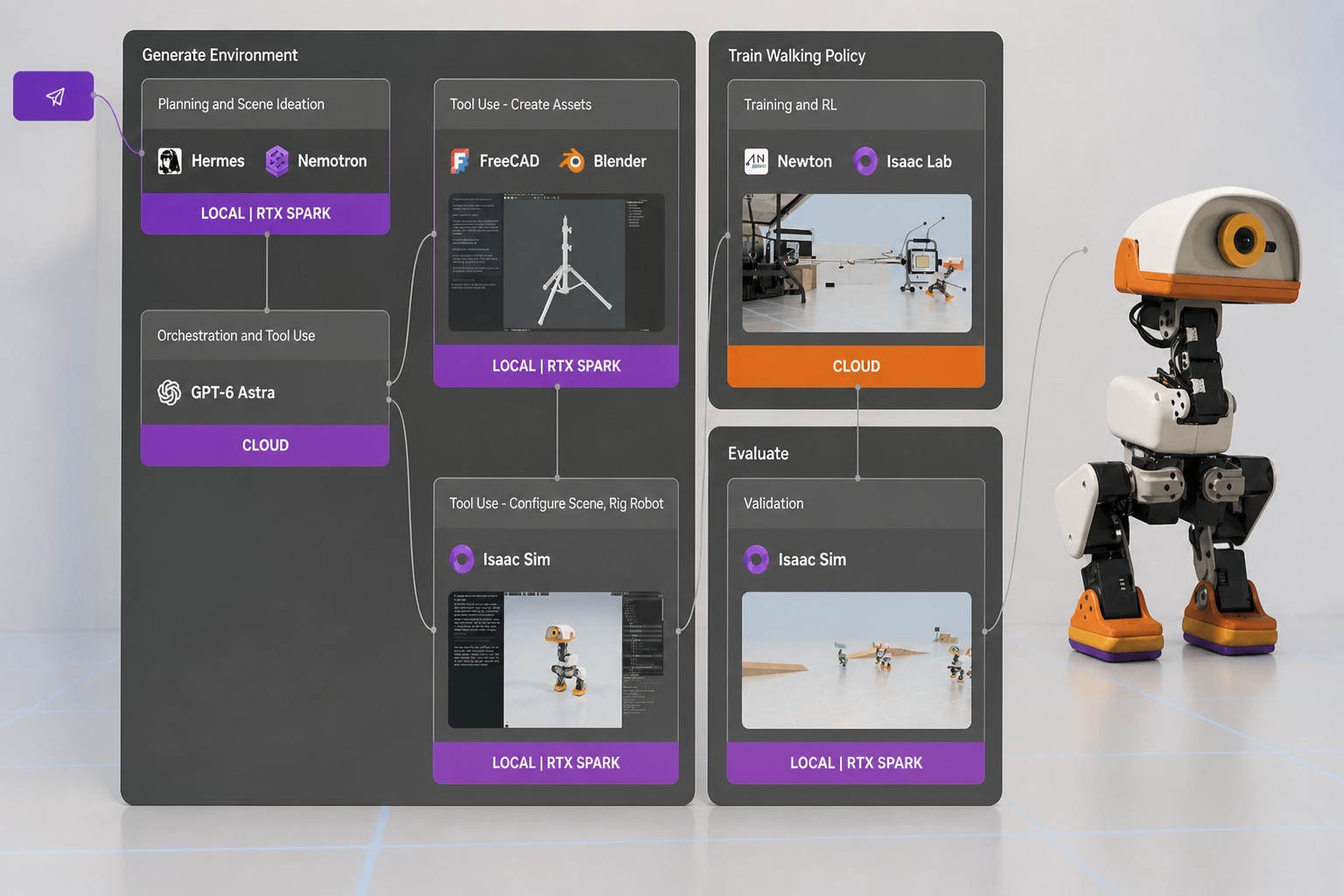
From prompt to a simulated course
The process starts with Hermes and NVIDIA Nemotron 3.5 Bolt turning a project prompt into a plan for Microduck. The plan covers the robot’s capabilities and unknowns, the course layout, asset creation, simulation and testing. Astra then receives a handoff package with the plan, reference images, an asset inventory and execution instructions.
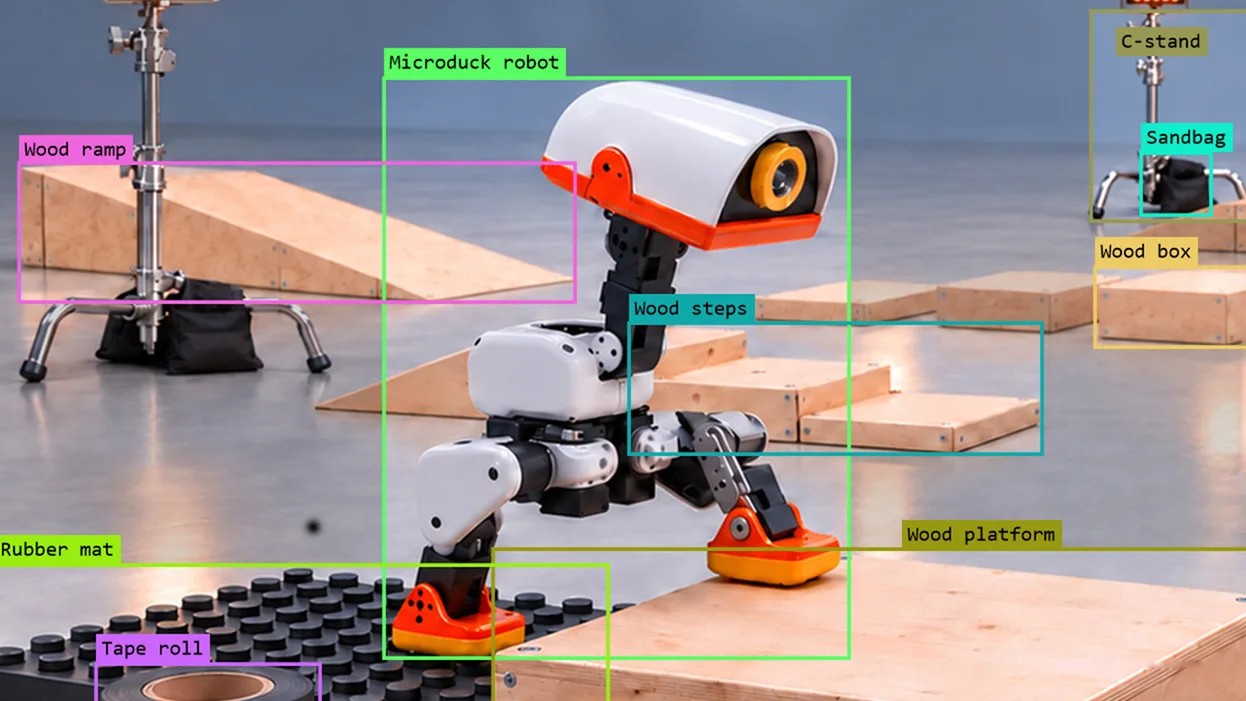
Source: developer.nvidia.com
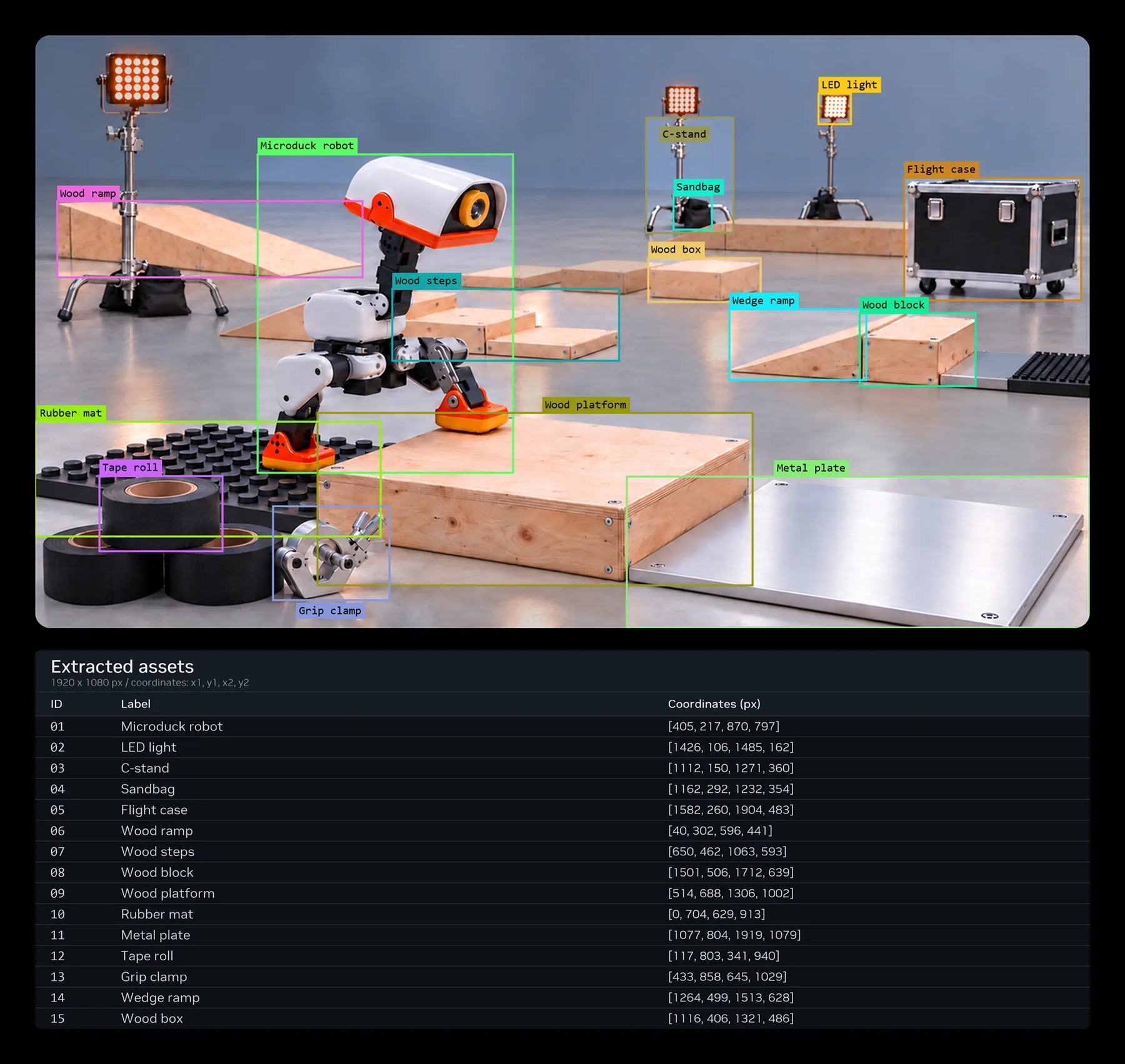
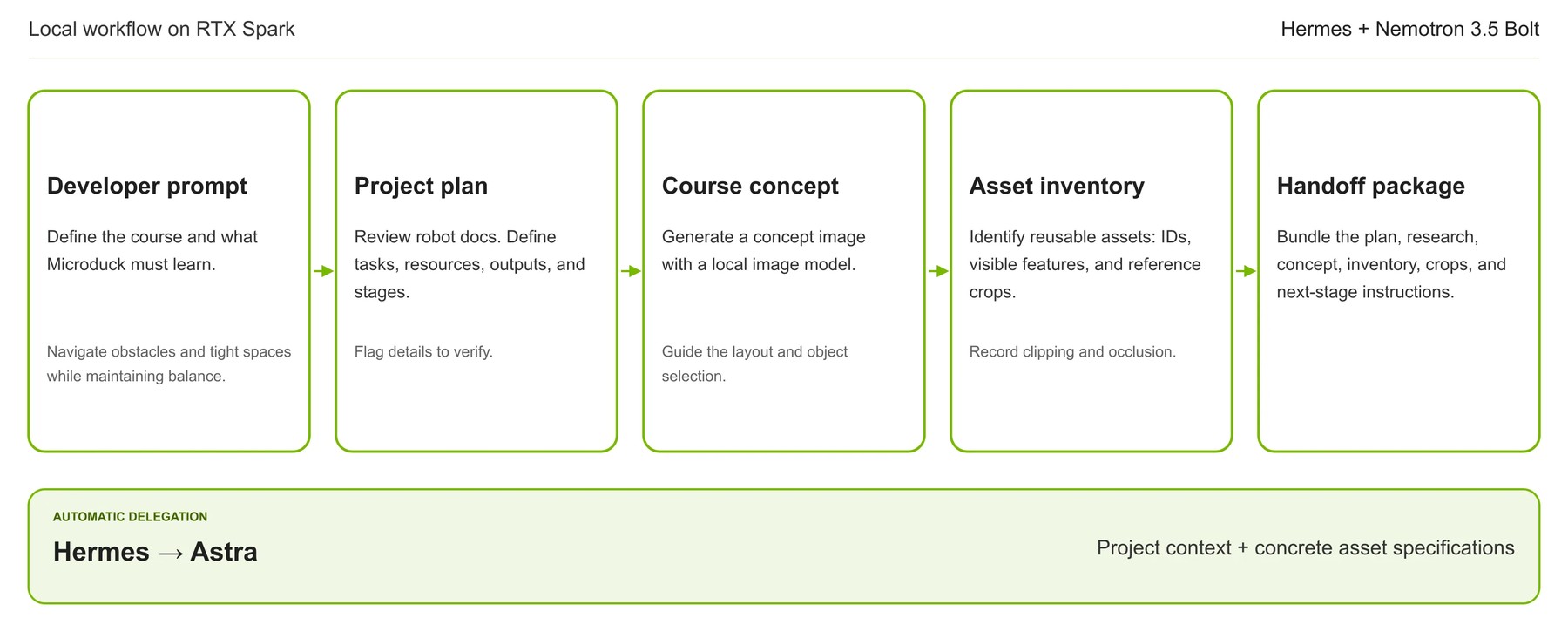
The workflow assigns distinct jobs to the tools:
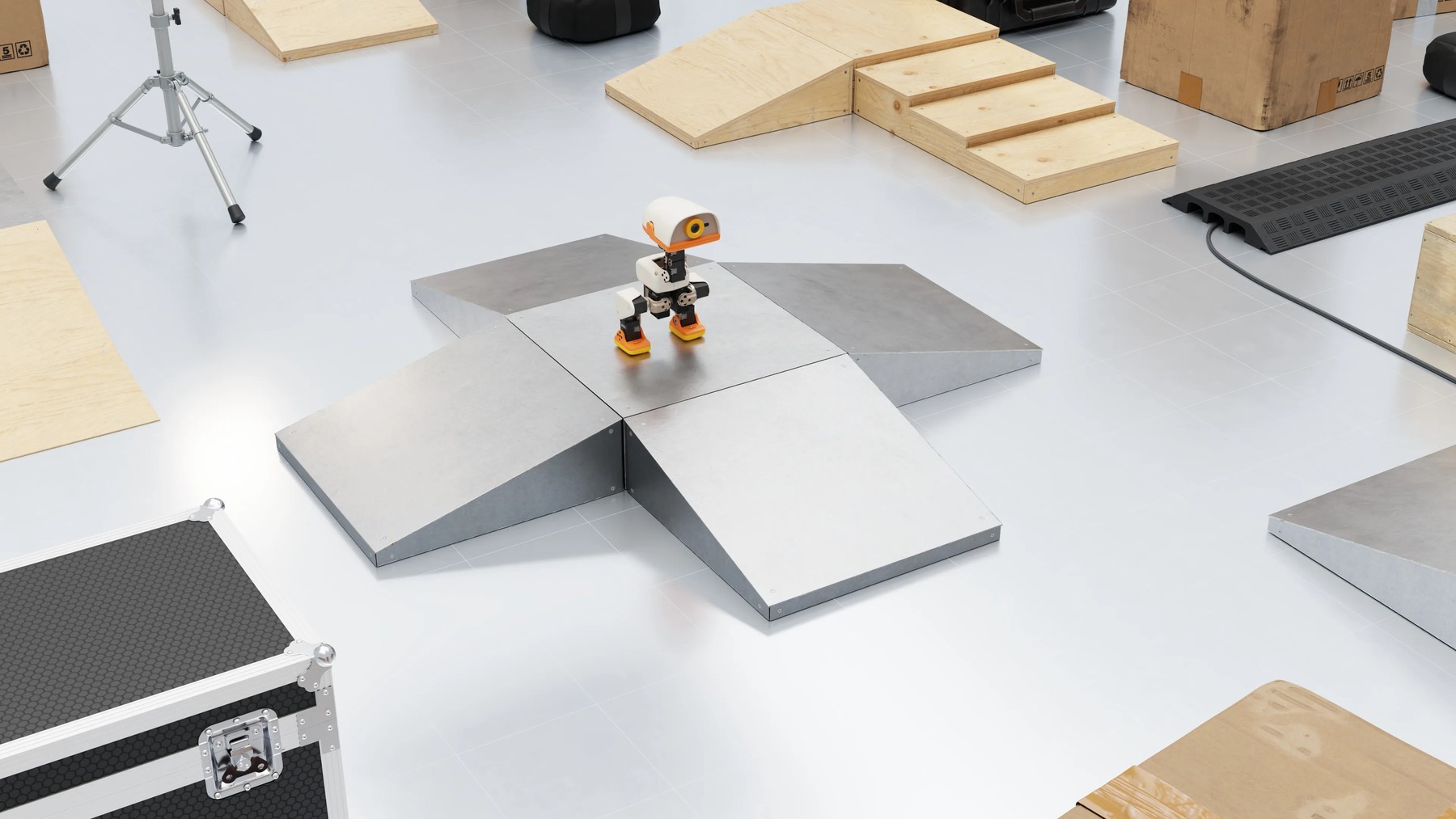
Figure 5. Obstacle-course assets created with Astra and assembled in Isaac Sim
Source: developer.nvidia.com
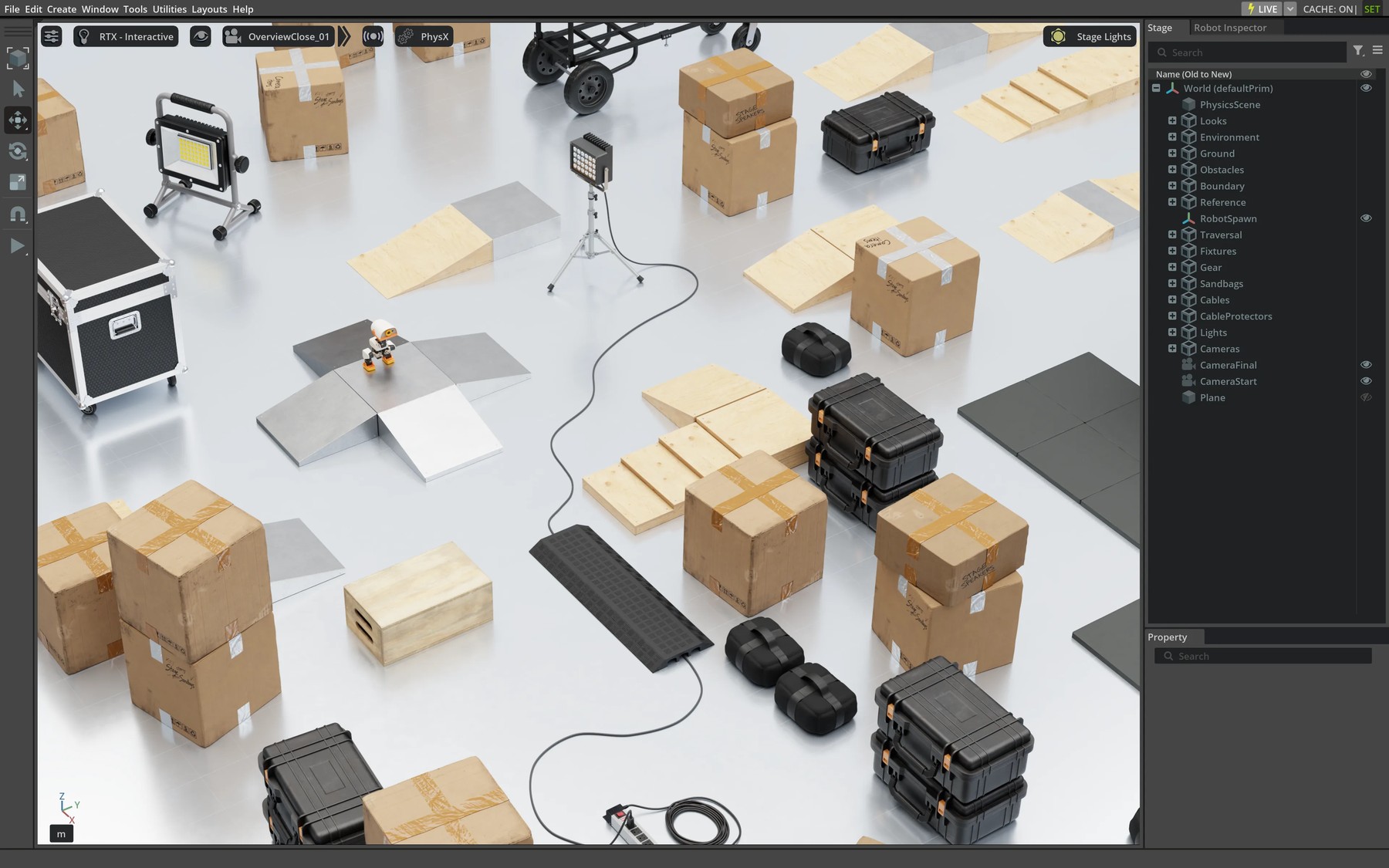
Astra can use FreeCAD to create editable geometry and Blender to add details and materials. The resulting objects are exported as USD assets. The process can also draw on the free SimReady Central Library, which contains more than 2,000 OpenUSD assets ready for simulation.
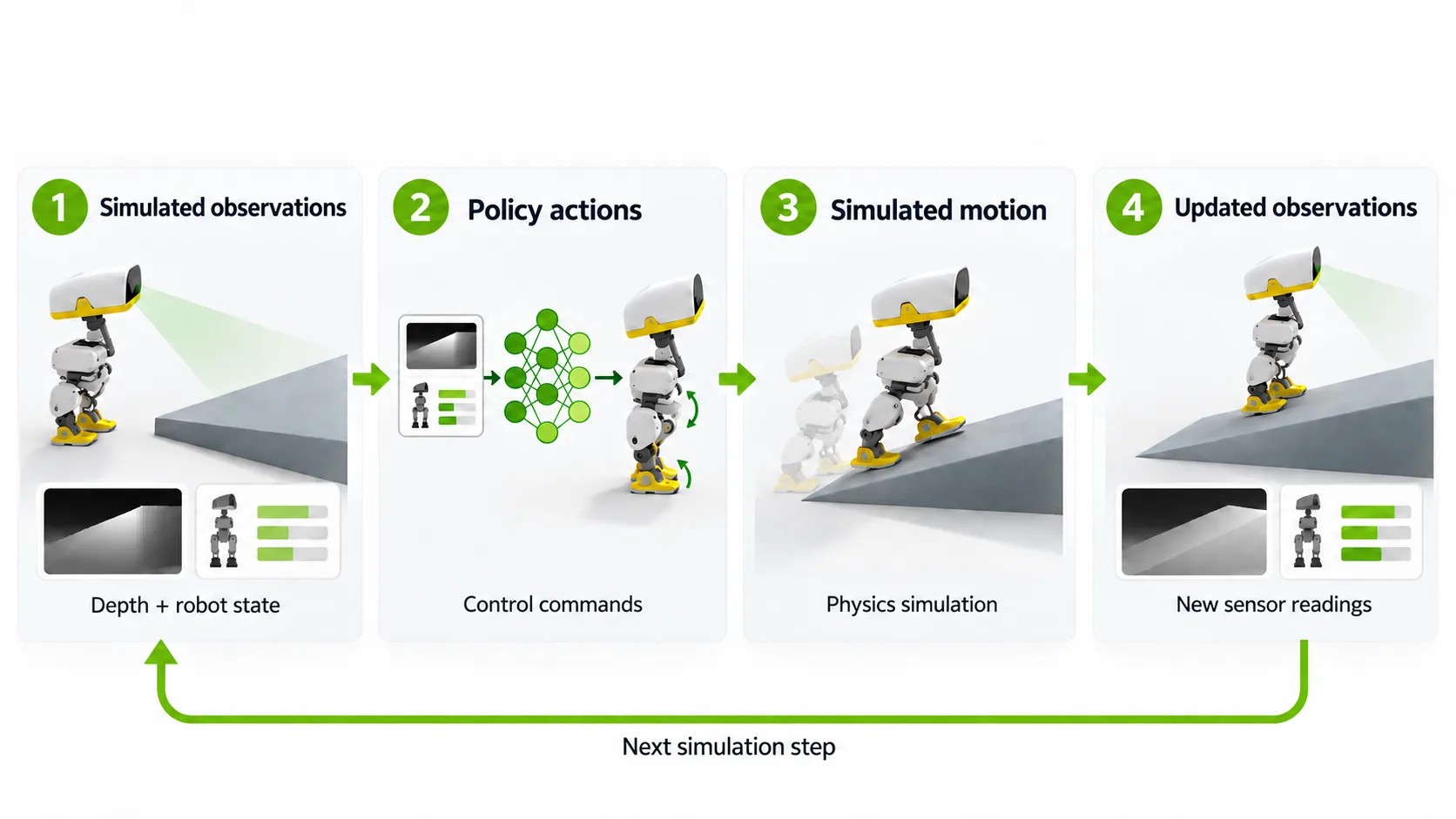
Figure 7. Simulation loop from observations to policy actions, simulated motion, and updated observations
Source: developer.nvidia.com
Figure 8. Parallel training in NVIDIA Isaac Lab, with simulated Microducks traversing ramps and platforms while learning to maintain balance
Source: developer.nvidia.com
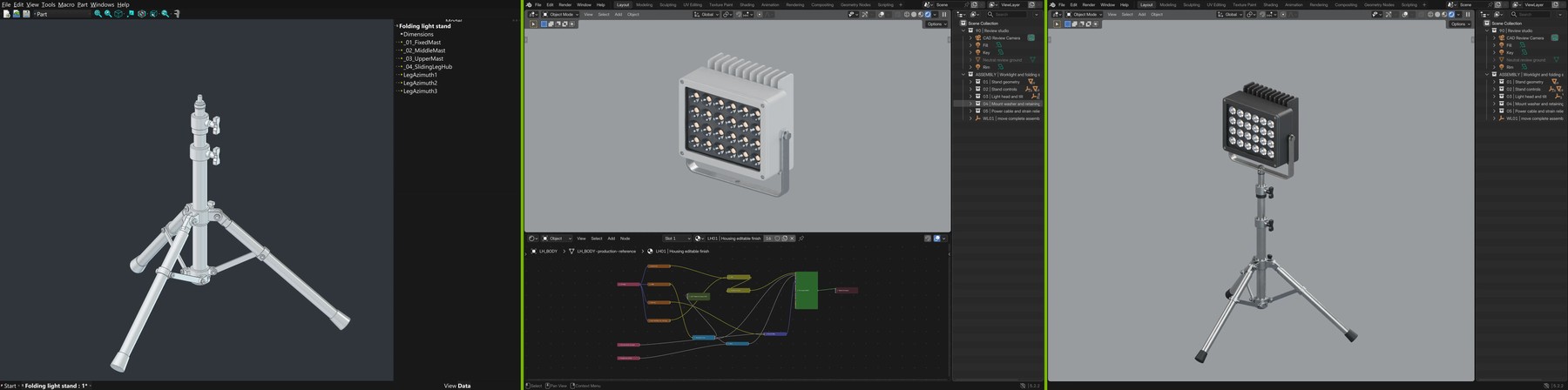
Figure 4. FreeCAD modeling (left), Blender materials (middle), and the final asset (right), orchestrated by Astra
Figure 9. Testing a Microduck policy in Isaac Sim on RTX Spark
Source: developer.nvidia.com
Source: developer.nvidia.com
Training is the measurable part
Once the course is assembled in Isaac Sim, Isaac Lab runs many Microduck simulations in parallel. A reinforcement-learning algorithm uses the outcomes of the robot’s actions to improve its policy. For the obstacle task, the robot must navigate ramps and uneven surfaces while maintaining its balance. Training uses depth-camera data and information about the robot’s state.
NVIDIA reports a run with 4,096 parallel environments on a workstation equipped with an NVIDIA RTX PRO 6000 Blackwell Workstation Edition GPU. After training, the selected policy is tested in Isaac Sim on RTX Spark. The evaluation tracks whether Microduck completes the course, falls, collides or stops making progress.
The difficult handoff is still ahead
NVIDIA’s account gives a detailed route from project brief to simulated evaluation, but not a full account of running the policy on physical hardware. The company points to Isaac Lab’s Better Actuator Models, which can represent servo delays, mechanical backlash and voltage drops, and to randomized simulation conditions that expose policies to variation in physics and sensor noise. Tests on the real robot can then guide another cycle of simulation and training.
I think the important claim here is not that an agent can design an obstacle course. It is that the workflow connects planning, asset production, physics simulation and policy evaluation in one pipeline. The announcement says much less about how reliably the resulting policy transfers to Microduck, or how much human intervention each stage requires. Until that handoff is demonstrated, the workflow is a useful account of the machinery around robot learning—not evidence that the machinery has made deployment routine.
Daily AI news
Every day we pick what actually matters in AI and explain it plainly — no hype, no filler. Subscribe if you want to follow where the industry is going.
Only what matters — every day
Follow on X