
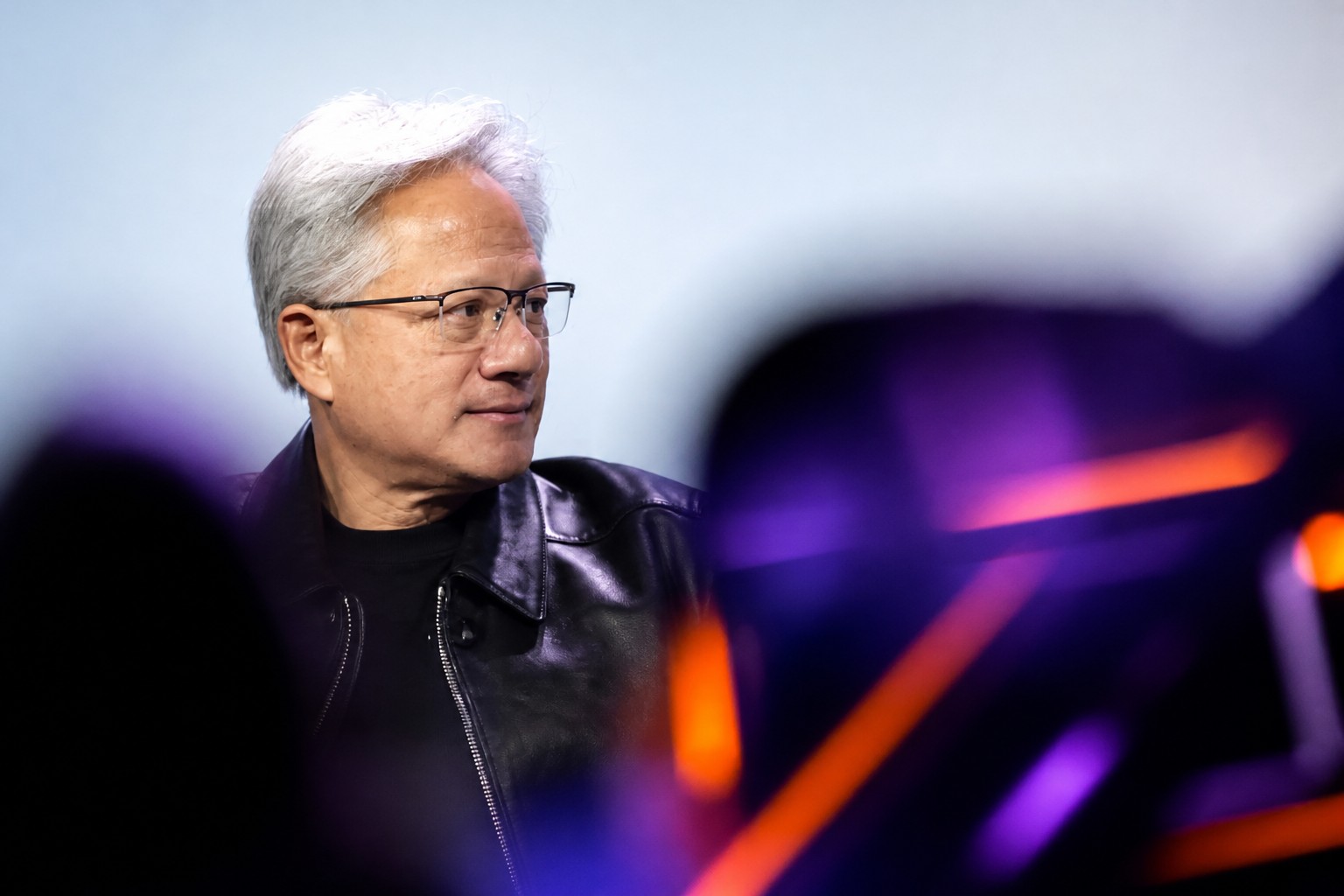
Nvidia’s board decided to accept Jensen Huang’s resignation primarily because of his “lack of candor” and lies that, according to WIRED’s sources, had continued since October 2025. Huang admitted to an affair with Alice Huang on November 8, but the board could not immediately establish whether she was connected to Chinese intelligence. Amid reports of other relationships, including one with a direct report, board members focused on what Huang had concealed from them.
Nvidia’s board ousted Huang over lies, not just the scandal
What led to the resignation
In October 2025, The New York Times reported unusually close business ties between Nvidia and Megaspeed, a Singapore-based data center company. Alice Huang worked there. After the article was published, board members asked Jensen Huang about his relationship with her. According to WIRED’s sources, he denied that anything improper was going on between them.
On November 8, Huang admitted to having an affair with Alice Huang. That same day, the board announced an independent investigation “in light of recent reports” that the CEO had become the target of a foreign intelligence operation. At the time, the board could not determine whether Alice Huang was a Chinese agent. China’s Ministry of Foreign Affairs rejected allegations that she had spied.
In the days that followed, reports emerged of other relationships, including an affair with Huang’s direct report. That was when it became clear, according to a source close to the board, that Huang had been lying for a year—from October 2025 through the recent events. One WIRED source familiar with the board’s discussions said national security concerns mattered to its members and remained relevant, but that the main reason for the resignation was the lying. Another source described the decision as a matter of honesty and trust.
In recent days, board chair Harvey Jones and other directors have tried to quash talk of Huang potentially returning. They stressed that his conduct violated Nvidia’s policies and corporate governance rules. Jones had previously described factors that influenced the board’s decision, but the main reason had not been disclosed before.
Jones did not respond to WIRED’s request for comment. Nvidia spokesperson John Rizzo declined to comment. John Fisher, vice president at communications firm Trident, which represents Huang, also declined to comment, adding only that Huang had left his Nvidia positions on his own.
The scandal raised security and corporate governance concerns
For the board, Alice Huang’s possible connection to the Chinese government posed a more serious problem than the executive’s personal conduct. If she had in fact been acting on behalf of Chinese intelligence, the issue could have involved not only Huang’s lack of candor with the board, but also security and corporate governance risks.
The scandal intensified calls from China hawks to restrict U.S. business ties with the country. Several government agencies and departments demanded an investigation into what Nvidia’s former CEO may have known about the company’s chips reaching China. Nvidia’s general counsel, Tim Teter, was also summoned to Washington to testify as officials investigate whether the company may have circumvented export restrictions.
Nvidia and Huang have also faced several shareholder lawsuits. The plaintiffs allege that the CEO and the company misled people about their ties to Alice Huang and Megaspeed. Other Silicon Valley investors have publicly voiced concern that the board did too little to oversee the company’s leadership and monitor its management.
At an all-hands meeting on November 18, board chair Harvey Jones said accepting Huang’s resignation had not been easy. But according to remarks reviewed by WIRED, the disclosed details about his personal conduct and lack of candor conflicted with the company’s code of conduct, standards and values, making his resignation necessary.
Employees and supporters want Huang back
Thousands of Nvidia employees, Elon Musk and other Huang supporters continue to call for his return to the company. Huang himself said he would be honored to serve as CEO again. On Friday, U.S. President Donald Trump renewed his call to give Huang another chance: he called him a brilliant person who had made several bad decisions and said he wanted to see him make a big apology.
Semafor reported that a small group of Nvidia board members had also supported Huang’s return. Jones did not answer WIRED’s questions about disagreements among directors on the issue.
Some employees are unhappy with how quickly the board accepted Huang’s resignation. They believe he may have been the target of a coordinated campaign to oust him. One employee in Nvidia’s commercial division said workers believe Huang was forced out and do not understand why the board is so firmly refusing to give him a second chance.
At the all-hands meeting, interim CEO Colette Kress said employees were most concerned about Nvidia’s falling stock price. The board’s decision to oust Huang was their second-biggest concern. In response to worries about the share price, the company moved up a planned salary increase, but Kress did not promise to disclose the findings of the investigation or the board’s discussions.
A computer scientist who works at Nvidia called the situation a shipwreck and added that there was no plan to explain what had happened to employees. In his words, it looked like a “black box.”
Dataist’s take: The debate over Huang’s return is unfolding alongside two separate issues: questions about his honesty and concerns about possible security risks and compliance with export restrictions. Employees have not been promised that the board will disclose the investigation’s findings, while reports of a split among directors remain unconfirmed by the board itself.
Daily AI news
Every day we pick what actually matters in AI and explain it plainly — no hype, no filler. Subscribe if you want to follow where the industry is going.
Only what matters — every day
Follow on X