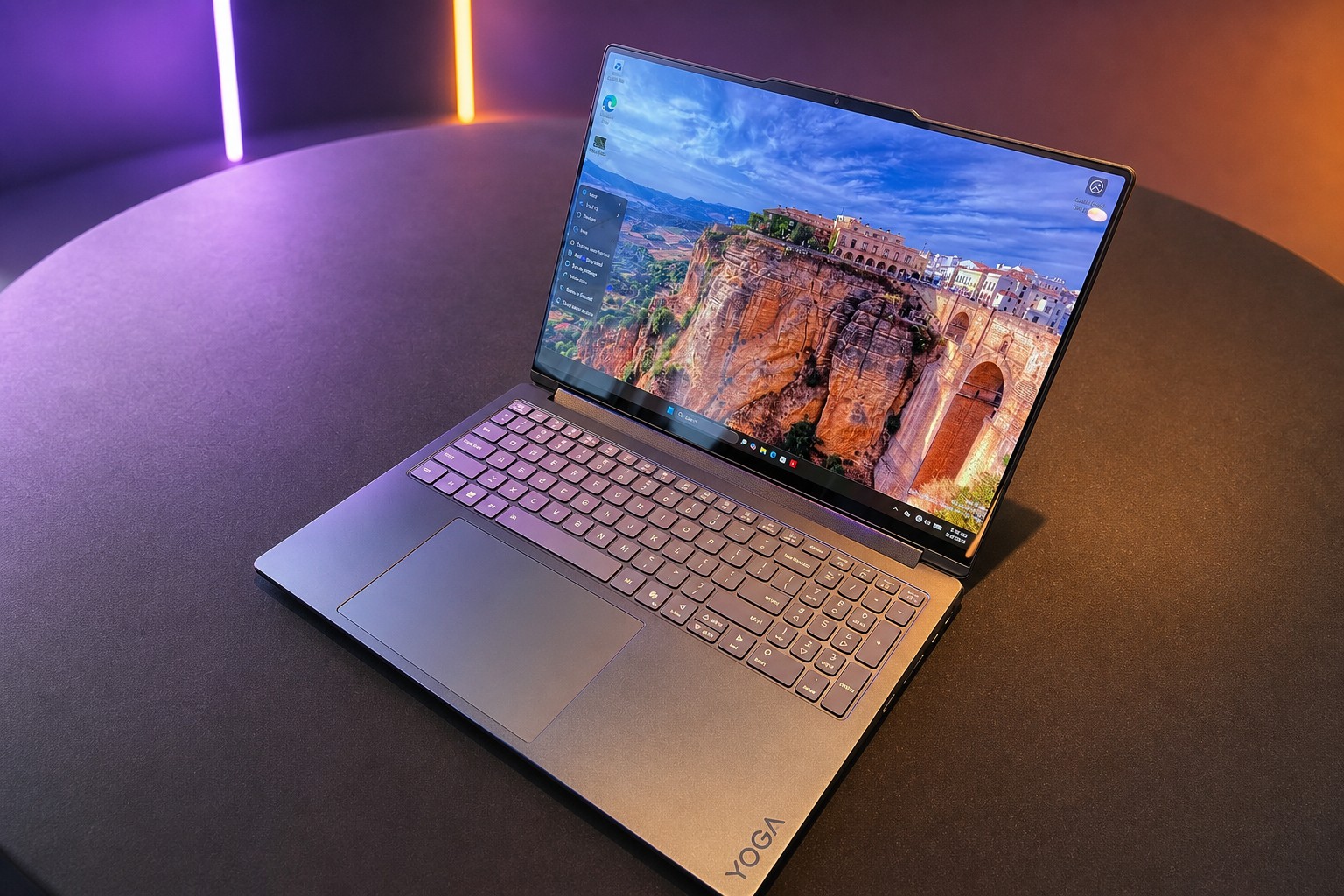
The first computers built around Nvidia's RTX Spark superchip have been shown, and the pitch attached to all of them is the same: run agentic AI on the machine in front of you rather than in someone else's data centre. Lenovo's Yoga 9n 2-in-1 headlined the launch, with RTX Spark laptops from Dell, Asus, Microsoft and HP due this autumn and Acer showing a mini PC on the same silicon. Demand for local agent workloads, OpenClaw among them, is what these designs are aimed at. Two numbers are missing from every one of the announcements: price and battery life.
Source: wired.com
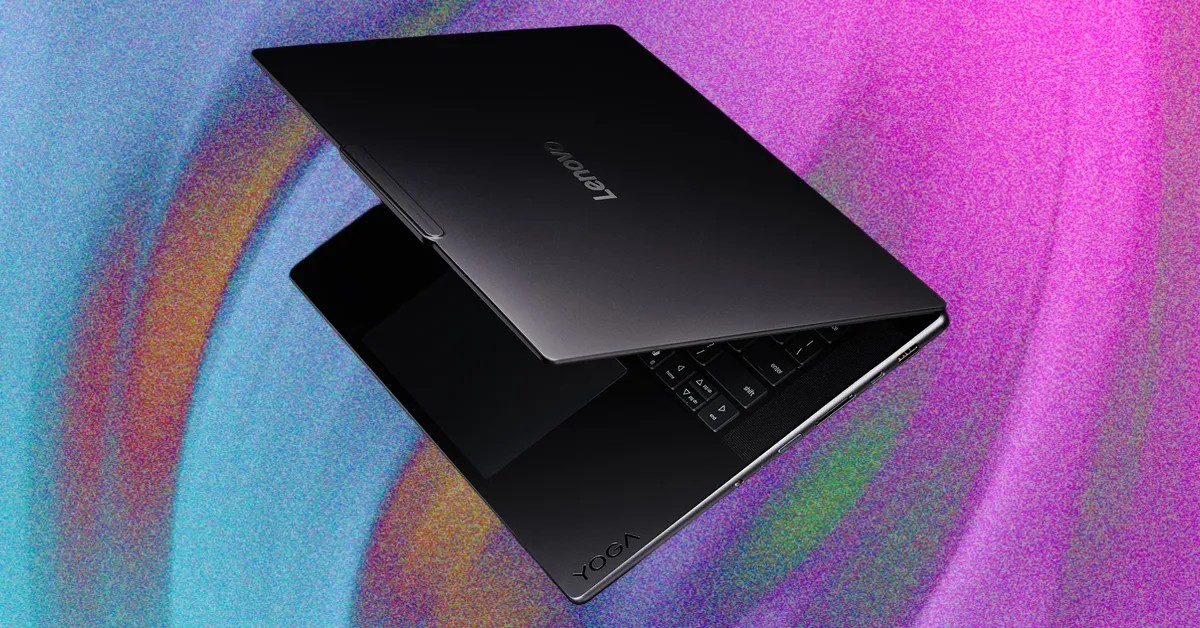
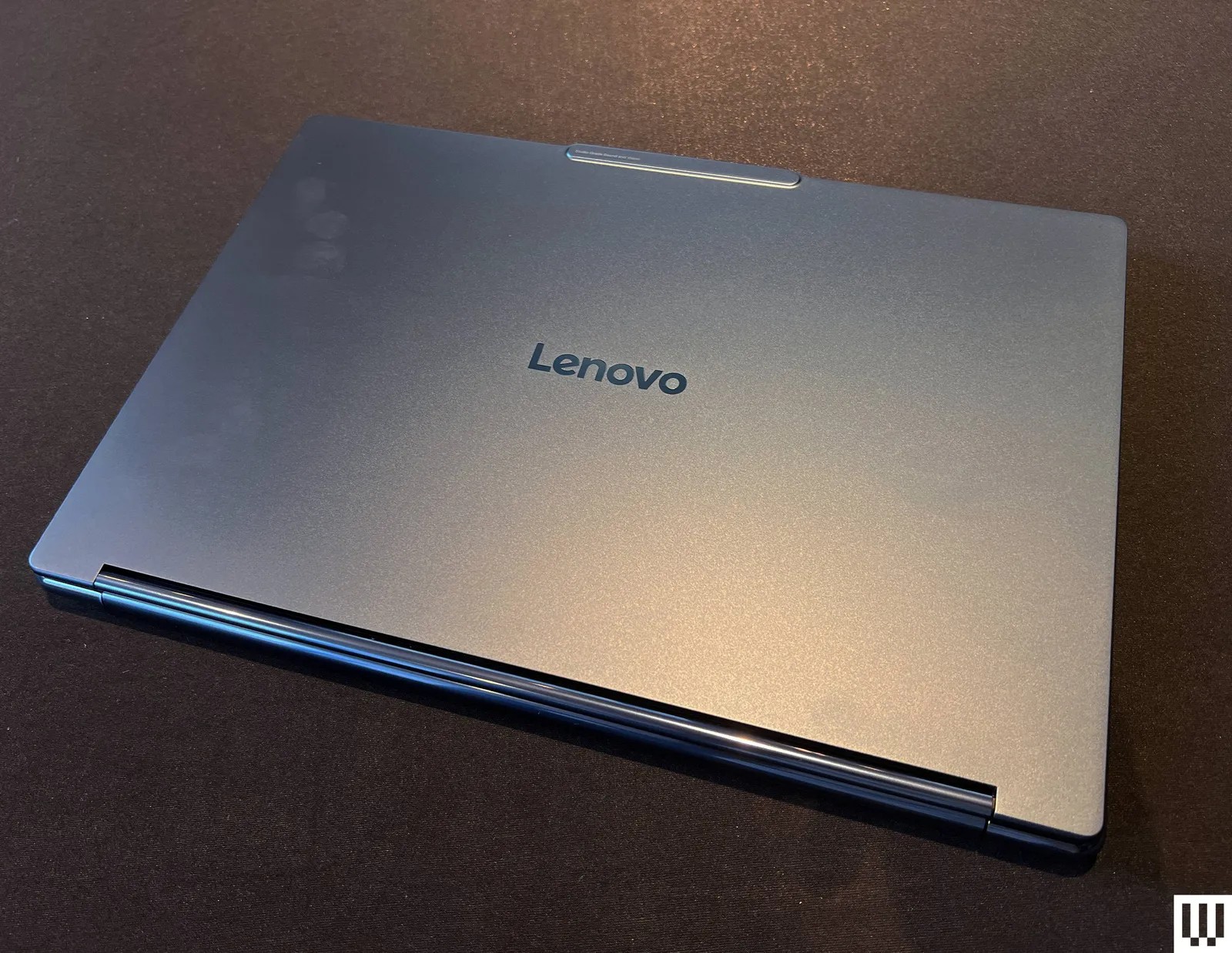
The Yoga 9n 2-in-1 is a 16-inch machine with a 360-degree hinge, a 2880 x 1800 touch OLED panel at 120 Hz, rounded metal edges and very thin bezels. It carries a six-speaker audio system and a 9.2 MP webcam, and it is styled to be shopped against a MacBook Pro.
Source: wired.com
The chassis is 0.69 inches thick, just 0.03 inches more than the 16-inch MacBook Pro, and that is only possible because of what Nvidia has put inside. The Arm-based chip combines a Grace CPU with up to 20 cores, a Blackwell RTX GPU with up to 6144 cores, and a unified system on a chip that puts processor, graphics and memory in a single package. Structurally this is much closer to Apple's approach than to a Windows laptop with a discrete graphics card. Judged on core count alone, the integrated graphics should theoretically land between the mobile RTX 5070 Ti and the RTX 5080, and the specifications imply weaker configurations exist, though how far down the range goes has not been said.
Nobody made a battery claim. The whole argument for an Arm SoC over a discrete GPU is efficiency and therefore runtime, which makes the silence conspicuous rather than incidental: a laptop that runs agents locally is only useful if it can do so away from a wall socket.
For buyers who do not want the large chassis, the convertible hinge or a number pad, Lenovo is preparing a 15-inch Yoga Pro 9n. It was not on the show floor, and it is arguably the more interesting of the two: same rounded edges, a higher-resolution webcam, a larger touchpad, a 15-inch OLED at 2560 x 1600, and a body 0.66 inches thick at its thinnest point. Its Force Pad can be written and drawn on with a stylus such as the Yoga Pen Gen 2.
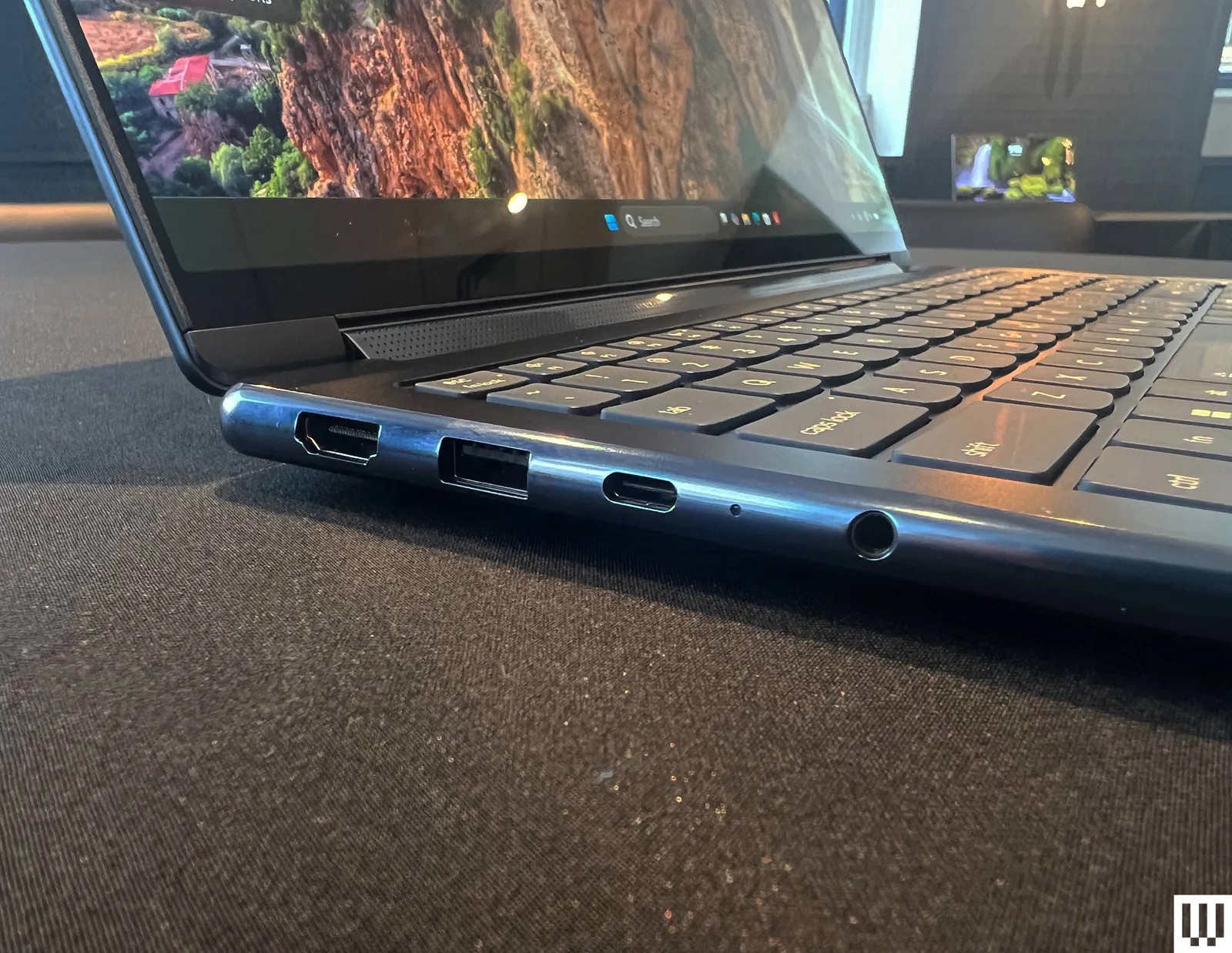
Source: wired.com
Then comes the number that undercuts the category. The Yoga 9n 2-in-1 can be configured with a maximum of 64 GB of memory — less than an AI computer of this class was expected to offer. The Yoga Pro 9n tops out at 128 GB, and from the descriptions that memory ceiling is mostly what the Pro badge buys, since performance should otherwise be identical. When the only meaningful difference between two machines with the same chip is how much memory they will take, memory is the scarce resource, and the flagship convertible is the one that ran out of it.
The autumn lineup on RTX Spark is broader than Lenovo: Dell's XPS 16, Asus's ProArt P16, Microsoft's Surface Laptop Ultra and HP's OmniBook X 14, so far the only 14-inch model announced. The large machines are aimed at content creators and AI enthusiasts.
The reason to want any of this is the data. Running models on the device reduces dependence on cloud services and allows full agentic processes without handing personal information to outside infrastructure — which matters most in exactly the cases where agents are most useful, when a model has access to financial records, email and other sensitive material.
Source: wired.com
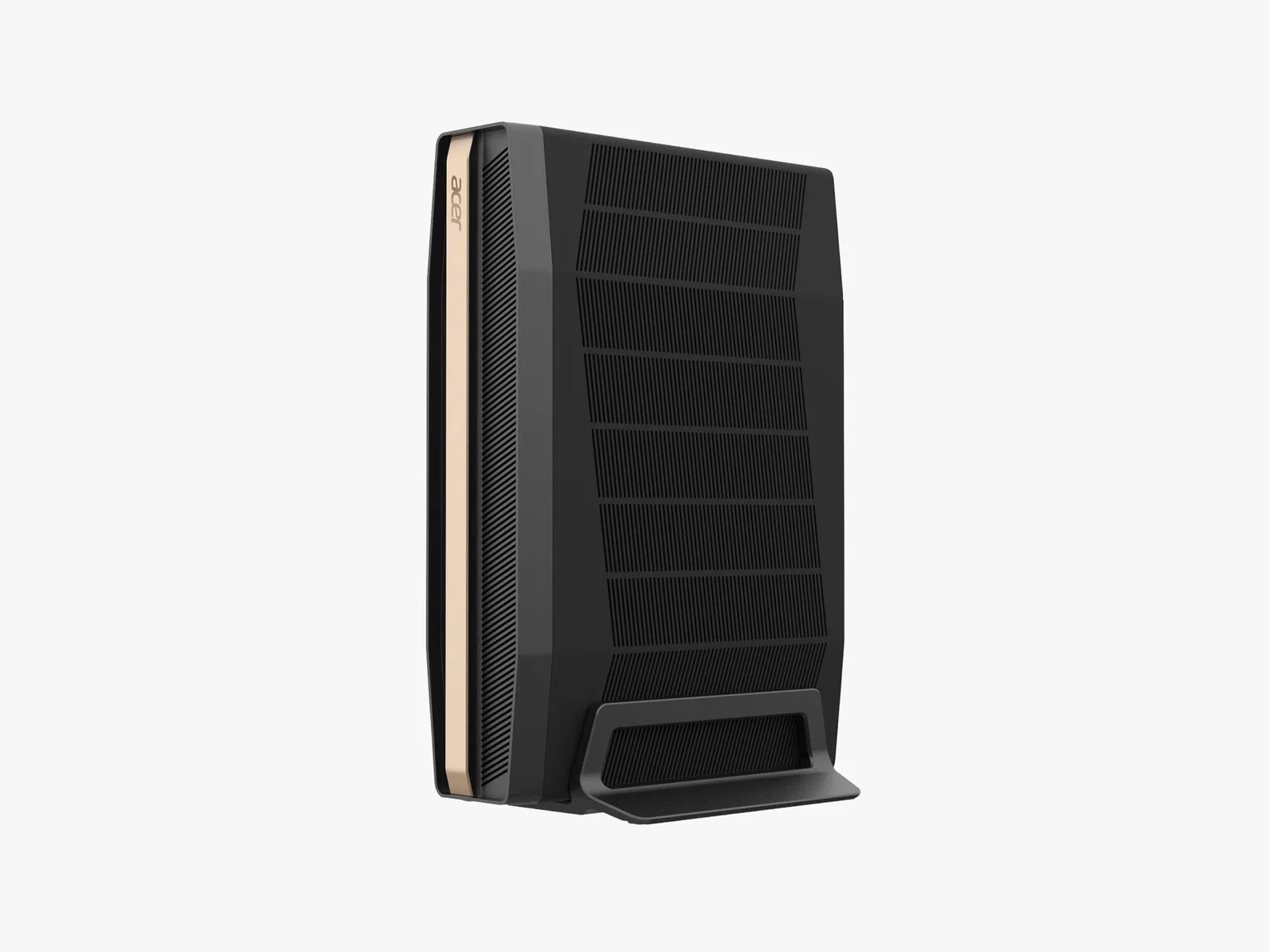
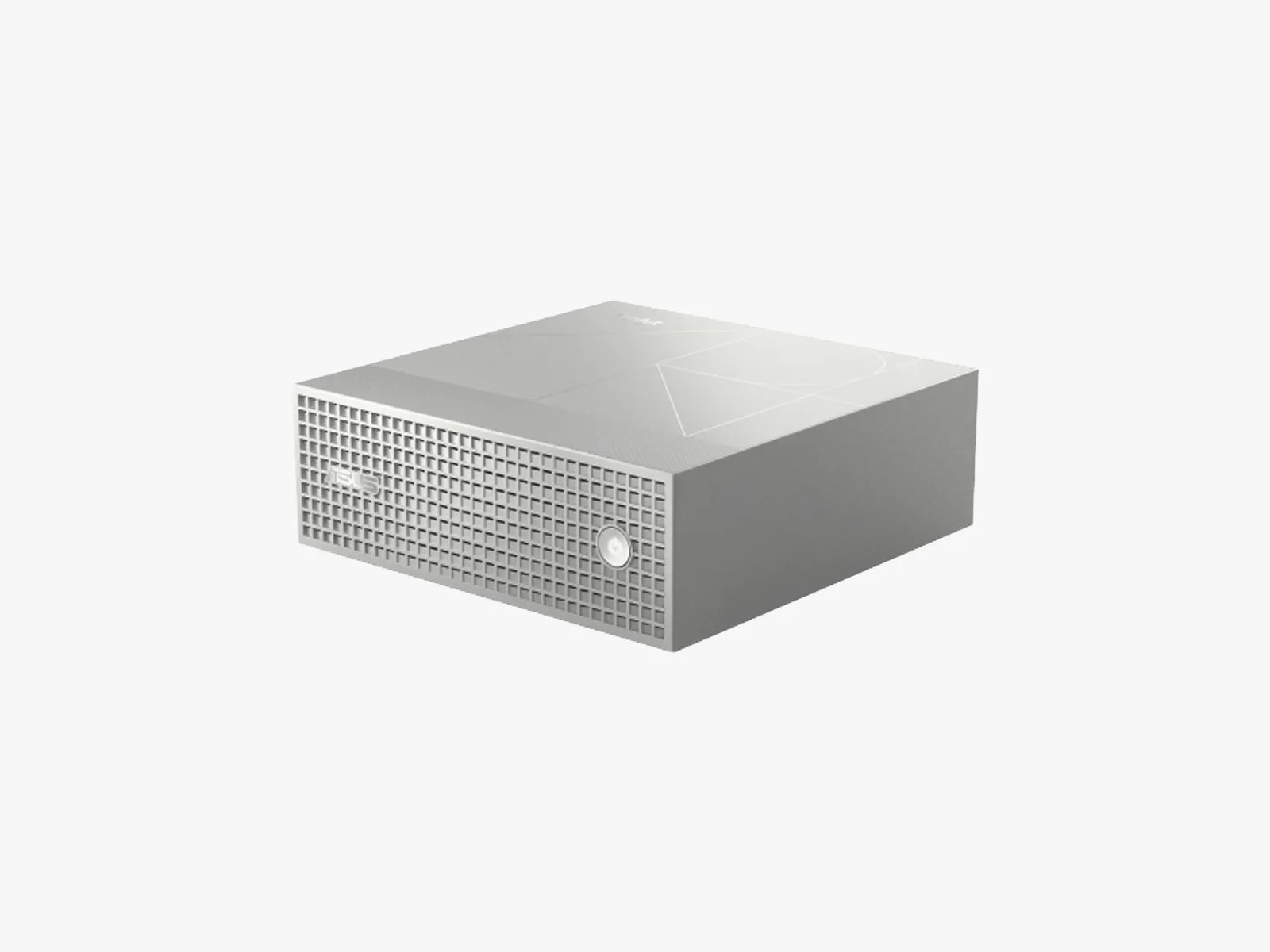
The desktop side is filling in at the same pace. Acer introduced an SFF RTX Spark mini PC, following the direction Asus set earlier in the summer with its ProArt Mini PC. Both are roughly Mac Mini-sized and offer up to a "petaflop of AI", up to 128 GB of memory and the same RTX Spark superchip. They arrived barely a week after Apple announced the M6 Mac mini and the M5 Ultra Mac Studio, which is the clearest signal yet that compact, efficient desktops, not workstations, are the form local AI will actually take.
Source: wired.com
Nvidia is not alone here. Lenovo showed the ThinkCentre X Ultra with an AMD Ryzen Max+ Pro 495 and 128 GB of memory for agentic models, the same processor used in other local AI systems including the Framework Desktop, and AMD's Developer Kit with 128 GB of RAM can already be bought. The ThinkCentre X Ultra is expected to start at $3,699 — for the base configuration, not the fully specified 128 GB version.
That $3,699 is the most useful number available, because price remains the main unknown for RTX Spark systems, and the cost curve is pointing the wrong way. Memory is simultaneously becoming more expensive and more necessary for local AI, so these machines are unlikely to be cheap. Apple's pricing marks out the territory: the cheapest MacBook Pro above the base M5 model costs $2,349 and gets you an M5 Pro with only 24 GB of RAM, while a MacBook Pro with 128 GB currently costs $6,139.
Which frames the year ahead for this category. The promise is that your email, your bank statements and your files never leave the desk, and the component that makes that promise deliverable is the one whose price is climbing fastest. A 64 GB ceiling on the flagship laptop suggests Nvidia's partners have already met that wall, and the machines that clear it will be priced closer to Apple's $6,139 bracket than to anything a curious buyer picks up on impulse.