
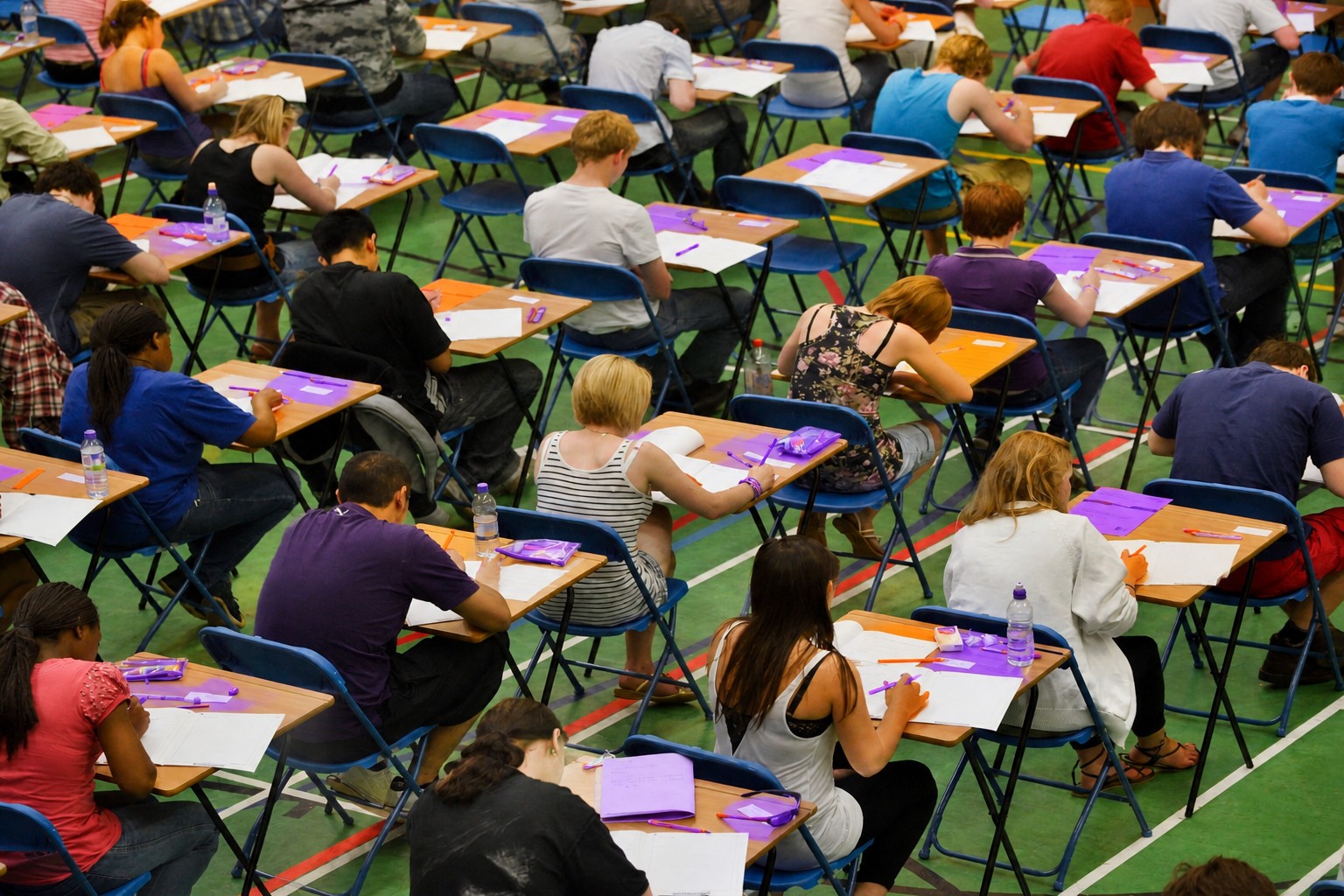
In England, students who use AI or smart glasses to cheat could lose their GCSE, A-level and other qualifications. Ofqual chief Ian Bauckham said possible penalties could change a student’s future, and called for sellers to be banned from advertising wearable devices for cheating in exams. The regulator is also preparing a campaign against undisclosed AI use in written work and plans to train exam invigilators to spot wearable devices.
Ofqual warns students could be expelled for cheating with AI and smart glasses
Exam controls
Bauckham told the Press Association that in the most serious cases, a student could lose an entire qualification for breaking the rules. He said this could have a serious effect on their future.
With deadlines for written assignments approaching, Ofqual is launching an information campaign. It will warn students that using AI to complete assignments, including extended essays, without disclosing it is not allowed.
Bauckham is also writing to England’s exam boards. He is proposing that invigilators and exam administrators be trained to identify the emerging threat from wearable devices in next summer’s exam season. The regulator is particularly concerned about devices that can access AI.
At an education conference in Birmingham on Wednesday, Bauckham plans to say that sellers, both online and in physical shops, must not advertise products specifically for cheating in exams.
In summer 2025, Ofqual recorded 2,225 cases of cheating with smart devices and mobile phones in GCSE, AS and A-level exams.
The future of written work
In Bauckham’s view, the spread of AI threatens the extended-essay format. He believes the conditions under which these essays are completed, and the design of the assignments themselves, will need a substantial overhaul to prevent cheating and ensure they remain useful for assessing knowledge.
He described essays written by students without supervision and without other forms of assessment connected to them as particularly vulnerable. In his assessment, this format may not last much longer.
Over the past ten years, written exams have been used rarely or not at all in GCSE and A-level subjects in England. However, extended essays are still part of some courses, including A-level history and English. Bauckham wants to close off opportunities for misconduct where written work is completed without supervision and counts toward the award of a qualification.
Last summer, Ofqual recorded 100 cases of plagiarism involving improper AI use in GCSE, AS and A-level exams. In 2024, there were 85 such cases.
The regulator is considering different ways to detect AI use and plagiarism, including more thorough checks of the sources students rely on. One option is to formally link written work to a written or oral exam, to check that the student actually completed the work and understands its content.
In Dataist’s view, Ofqual is seeking to preserve written work as a way to assess knowledge while strengthening checks on authorship and understanding. But the regulator is already considering a tougher option: changing the conditions under which essays are completed if checks prove insufficient.
Daily AI news
Every day we pick what actually matters in AI and explain it plainly — no hype, no filler. Subscribe if you want to follow where the industry is going.
Only what matters — every day
Follow on X