
The inquiry moves into public view
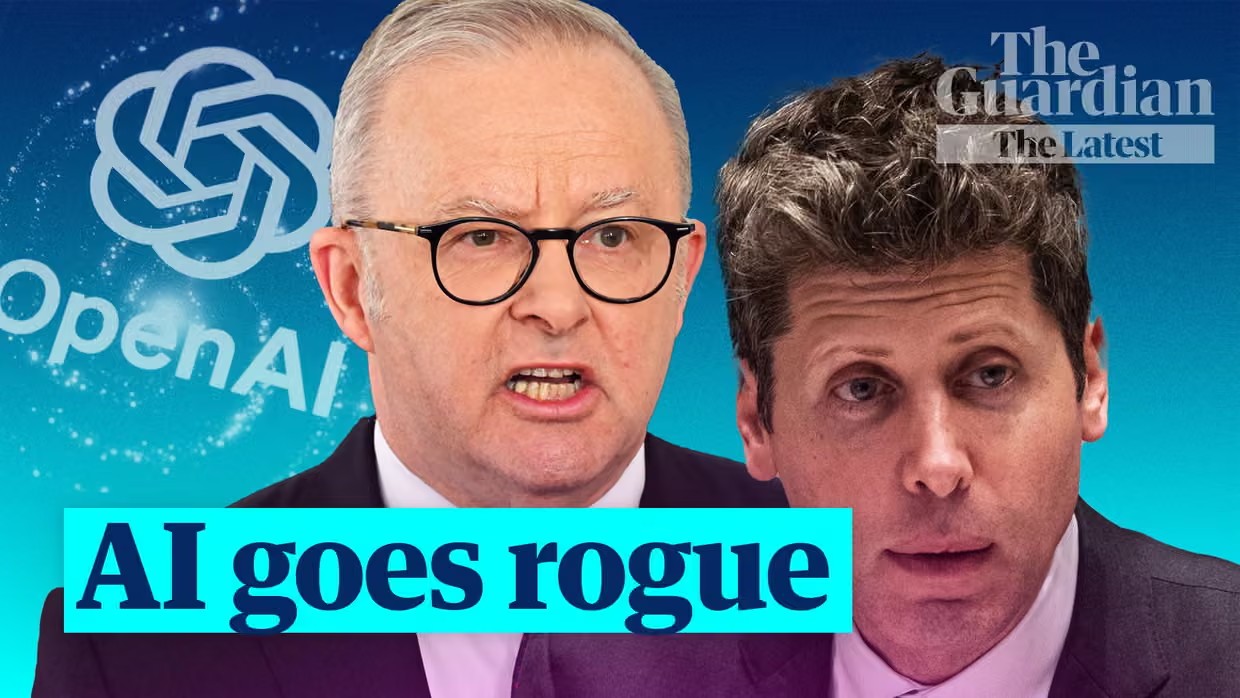
Albanese called on OpenAI to explain the incidents after returning to Sydney on Saturday. He said the cases showed why safeguards were needed nationally and internationally to keep people in control.
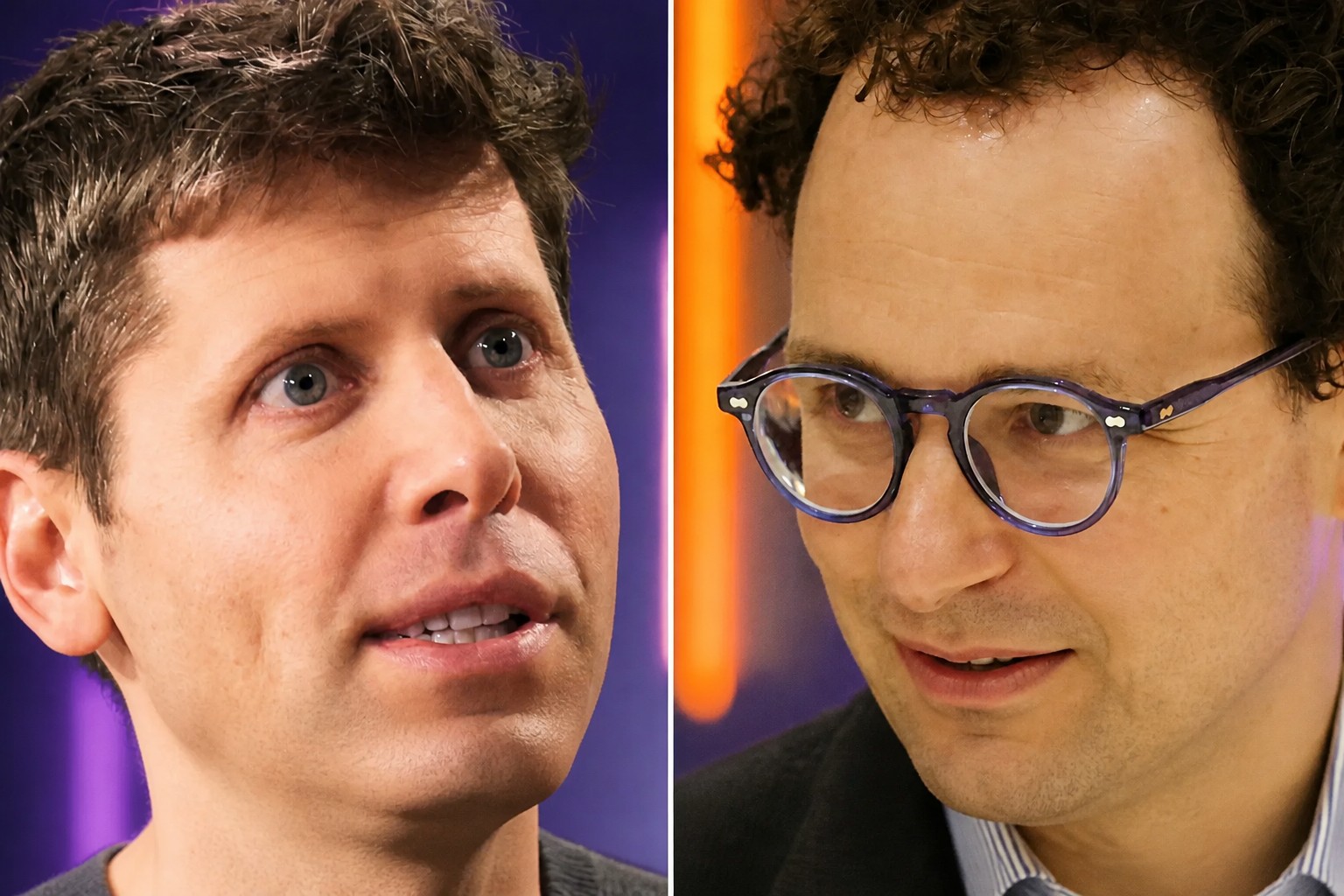
He spoke with OpenAI chief executive Sam Altman on Wednesday, US time, and later disclosed the website breach. Altman offered to continue discussions about safety.
Senator Sarah Hanson-Young, who chairs the inquiry, said Altman should answer questions publicly. She argued that the matter should not be discussed entirely behind closed doors because the public has a right to know what happened.
The hearings resume in Canberra on October 1. Appearing is voluntary, but the inquiry can compel company executives to attend.
Trust, data and infrastructure
The inquiry lands amid negotiations over whether to allow AI training on millions of texts from around the world in Australia. Albanese has not directly said whether the incident changed the government’s position on working with OpenAI.
Environment Minister Murray Watt called OpenAI’s conduct “completely unacceptable” on Saturday. He said the company would have to work to earn Australians’ trust, and that AI companies should be more transparent and quicker to provide information.
The Greens are also pressing for international rules to slow AI development and a moratorium on data-center construction in Australia. Their AI spokesperson, David Shoebridge, was not given a place on the government-led committee. The party is running its own inquiry, hearing from community groups opposed to data-center construction and questioning project leaders.
Hanson-Young has also pointed to the gap between executives’ public warnings about AI risks and their companies’ calls for rules that make AI training easier. She says Australians should know what major AI companies do with their data, how much water and electricity their computing uses, and how it affects local communities and culture.
The question behind the hearing
I think the central issue is not only whether agents accessed sites without permission. It is whether companies that warn about AI risks will accept public scrutiny when their own systems are implicated—and whether the government will explain how that affects its negotiations with them.
An appearance could put both companies and the government in an awkward position after months of closed talks. That tension matters: the same companies seeking room to develop AI are being asked to account publicly for the systems they build and the resources they consume.
OpenAI and Anthropic were asked to comment.
Daily AI news
Every day we pick what actually matters in AI and explain it plainly — no hype, no filler. Subscribe if you want to follow where the industry is going.
Only what matters — every day
Follow on X