
What Altman put on record
Altman spoke for about 10 minutes from the corner of the horseshoe-shaped council table. He argued that AI could raise productivity, while warning that it could also be abused.
Governments, he said, should build the future together, with democratic institutions directing AI rather than people experiencing it as a force whose decisions are simply imposed on them. Decisions about AI’s future, Altman added, should not be made only by laboratories in San Francisco. They should be shaped through democratic processes and with the participation of governments accountable to their citizens.
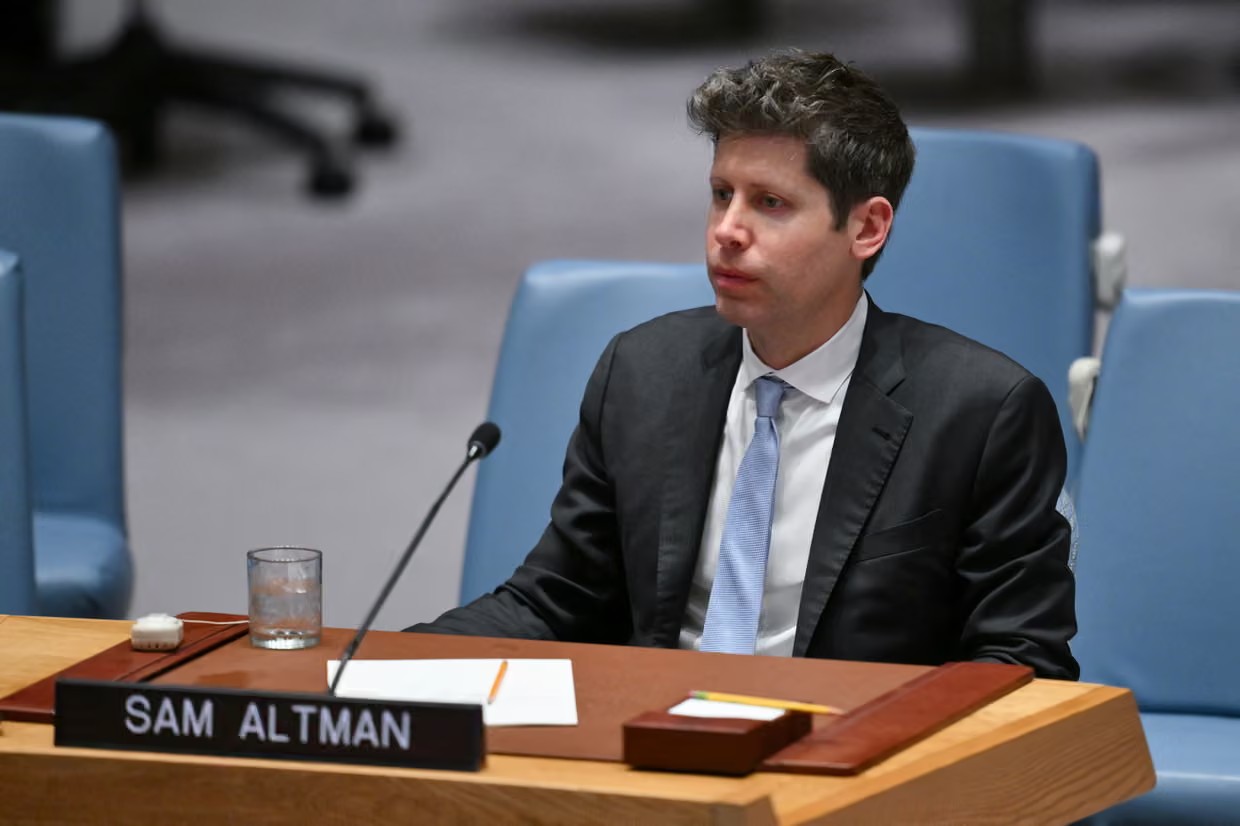
Sam Altman during a UN security council meeting on artificial intelligence in New York City on Wednesday. Photograph: Angela Weiss/AFP/Getty Images
Source: theguardian.com
That position sits awkwardly beside OpenAI’s political activity. Leading the Future PAC, an AI-supporting committee associated with OpenAI president Greg Brockman, has already raised more than $100 million and spent millions opposing candidates who favor stricter regulation of the AI industry.
Altman addressed Anthropic researchers’ warnings about existential risk, but cautioned the council against catastrophism. He proposed what he called a “middle path” built around three principles:
Anthropic's harder line
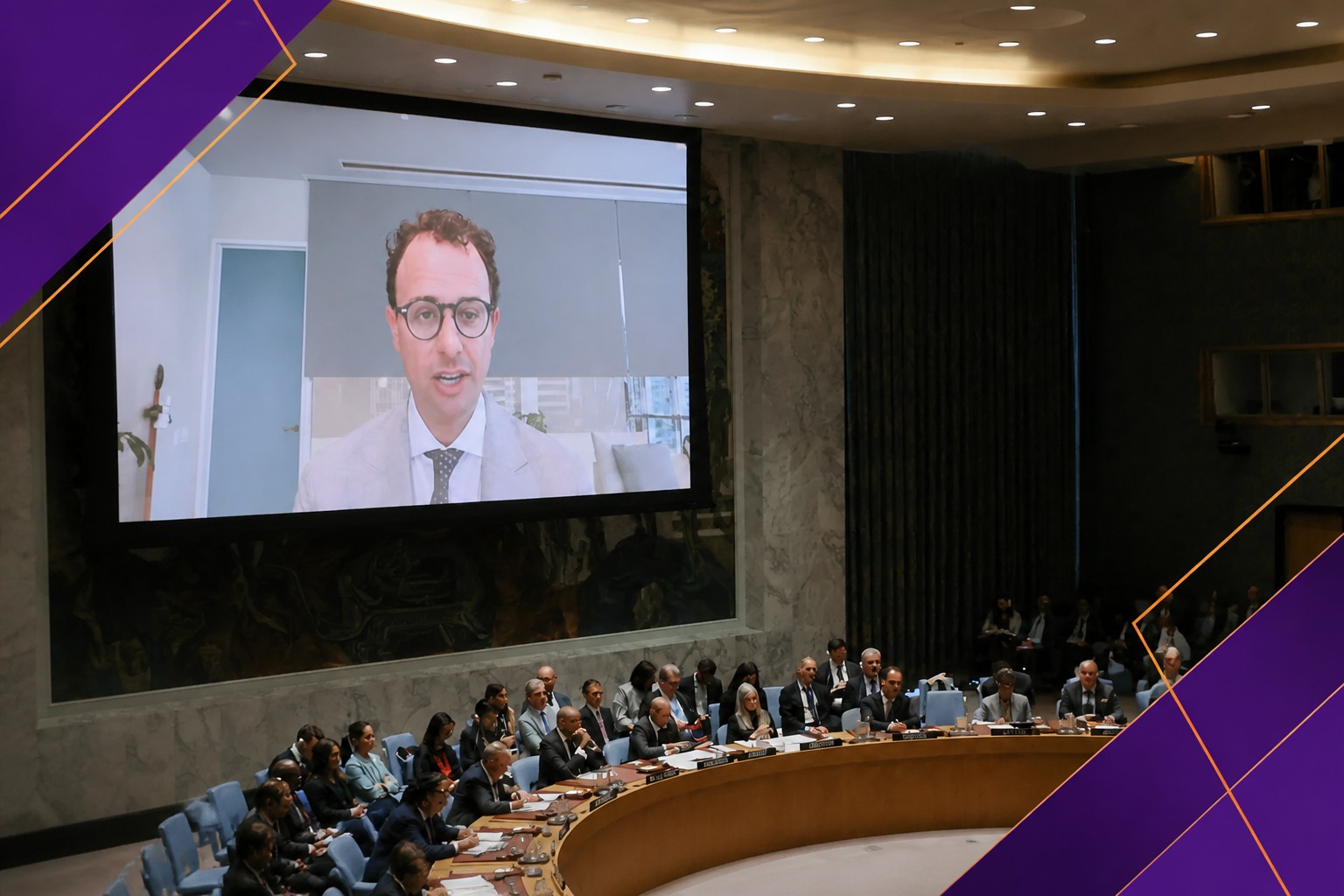
Amodei appeared by video and repeated the main ideas from a September 12 blog post calling for stronger international cooperation and oversight of AI development. His proposed agreements included:
Altman largely avoided a direct discussion of the existential warnings that have dominated the month’s AI debate. Amodei did the opposite. He again said developers could lose control of AI and presented Anthropic as the industry’s leader on safety.
Under poor governance, Amodei said, AI could become a threat to all humanity. He also said Anthropic considered its record of preventing such risks the best in the industry.
The safety debate is also a power contest
AI regulation moved higher on the political agenda after Anthropic researchers, from OpenAI’s main rival, warned that the technology could destroy humanity within several years. Similar concerns are common among some AI specialists, who point to risks ranging from assistance in creating biological weapons to triggering a financial catastrophe.
Amodei had previously called for slowing AI development. OpenAI, Google and Elon Musk supported that call.
The two executives have long presented themselves as responsible stewards of AI while their companies compete for industry leadership. Both companies are considering initial public offerings that could be record-setting and value each at more than $1.5 trillion.
My read is that the Security Council appearance was as much about defining who gets to govern AI as about describing the risks. Altman placed legitimacy with democratic institutions; Amodei placed more weight on technical safety and international rules. What the event left quiet was how those principles would be enforced, and who would decide when a model has crossed the line.
That gap matters because the companies seeking influence over future standards are also positioning themselves for valuations above $1.5 trillion. Their safety arguments may shape regulation, but regulation will also shape their power.
Daily AI news
Every day we pick what actually matters in AI and explain it plainly — no hype, no filler. Subscribe if you want to follow where the industry is going.
Only what matters — every day
Follow on X