
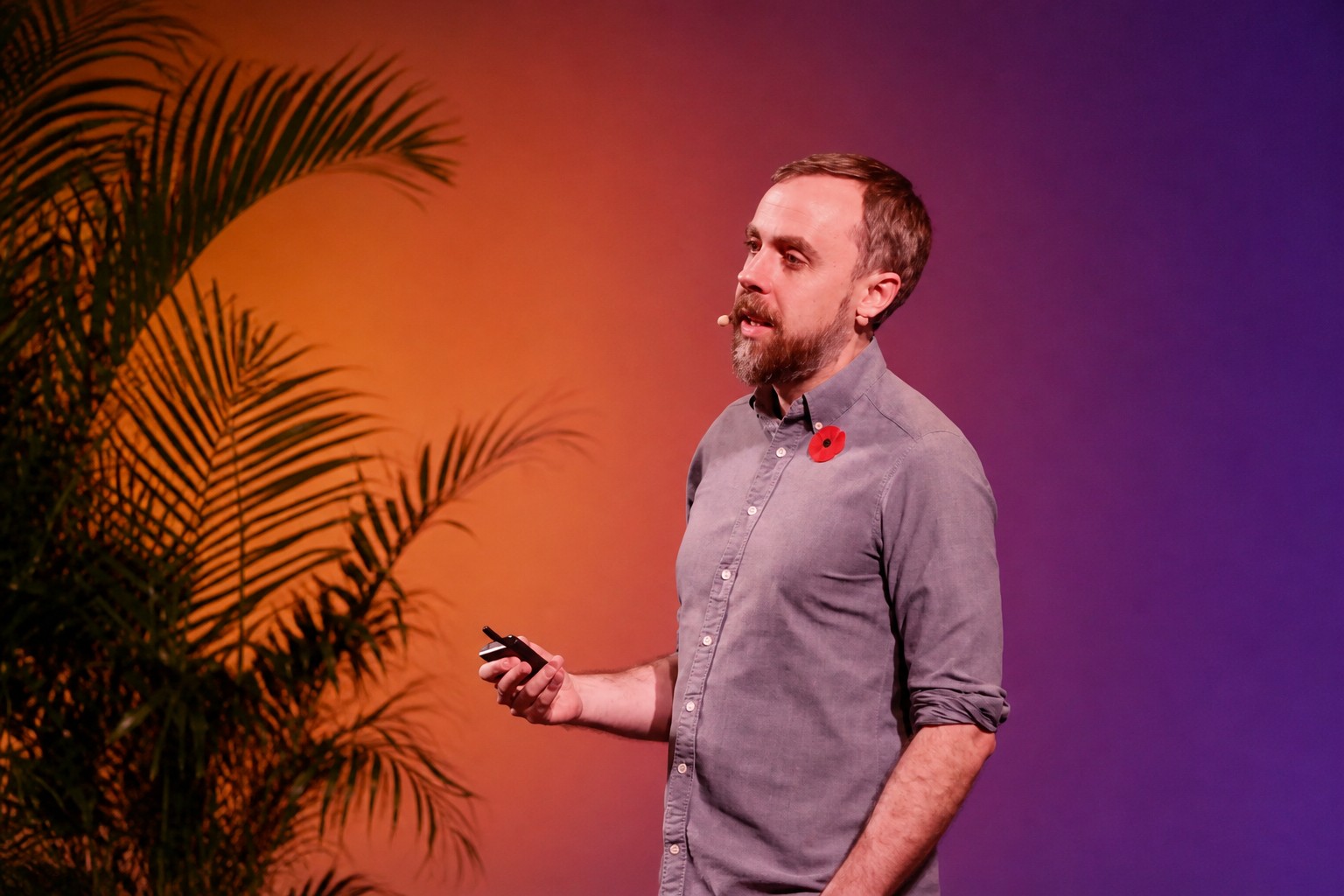
What Christiano said
Hinton Lectures 2026 is a conference on AI ethics organised by Nobel laureate and computer scientist Geoffrey Hinton. According to Gizmodo, Christiano warned in his talk that AI accidents could become the most likely cause of death in the coming months. He clarified that he was referring to incidents whose consequences are difficult to predict.
Christiano described the risk of a takeover as roughly equivalent to the odds of a coin toss if developers build AI as quickly and simply as possible. He put at around 20% the chance that, within a year, problems aligning AI goals with human intentions could prevent people from living their ordinary lives. He described the possible consequences as death, enslavement or collateral damage. In his view, even realistic regulatory measures would not eliminate the high risk.
The contradiction between predictions and actions
The publication notes that statements like these are more commonly heard on LessWrong, an online community of skeptics, many of whom believe that advances in machine learning will inevitably lead to human-level AI. They see this scenario as an existential threat to humanity.
But Christiano is not merely discussing these risks from the sidelines: he sits on the board of one of the leading AI labs and speaks publicly about the ethics of the technology. The publication compares this to Miles Dyson in Terminator 2: after learning that he would cause humanity’s destruction in the future, he still keeps going to work.
The publication asks: if AI researchers such as Christiano really believe their company’s products could one day destroy humanity, why aren’t they spending all their time trying to stop their development?
Dataist’s take: Christiano’s remarks point to a gap between risk assessments and the industry’s day-to-day work: he speaks of a possible catastrophe while remaining a member of the OpenAI Foundation board. The publication, however, gives no details about which safety measures he proposes or supports.
Daily AI news
Every day we pick what actually matters in AI and explain it plainly — no hype, no filler. Subscribe if you want to follow where the industry is going.
Only what matters — every day
Follow on X