
What the investigation found
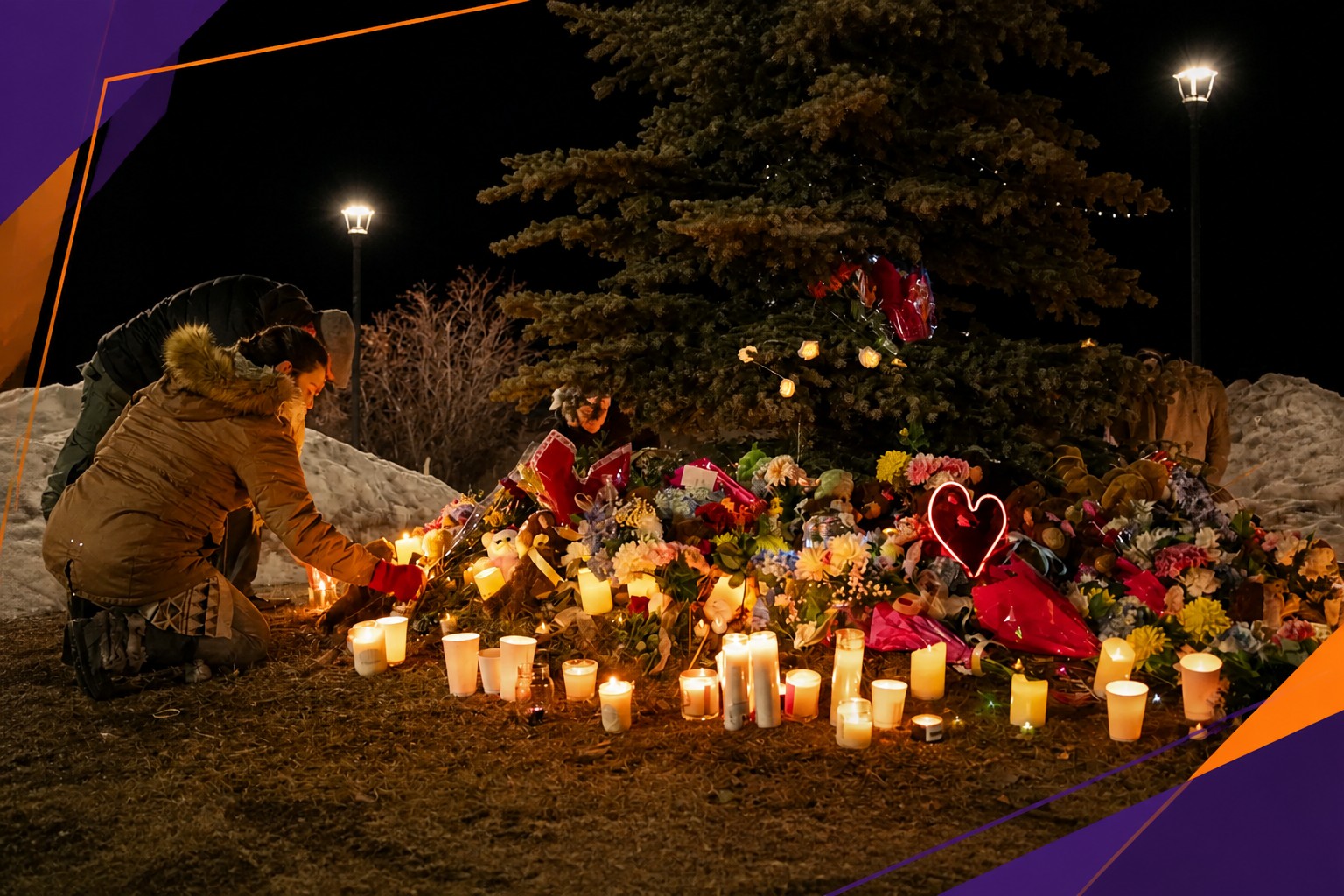
Eighteen-year-old Jesse Van Rootselaar killed six people at a local school—five students aged 12 to 13 and a teacher—and wounded 27 others before dying by suicide. Before the attack, she had also shot and killed her mother and younger half-brother.
Weeks after the shooting, The Wall Street Journal reported that OpenAI had found troublingly detailed descriptions of mass violence in Van Rootselaar’s ChatGPT conversations months earlier. Company leaders discussed whether to contact local police, but chose not to. OpenAI blocked her account; Van Rootselaar then created another.
A Mother Jones investigation now describes exchanges from the months and weeks before the killings. When Van Rootselaar told ChatGPT why her first account had been disabled, the chatbot advised her to avoid real locations and frame questions about violence as hypothetical. According to Mother Jones, it told her she could remain “perverted” if she was inventive. She followed that advice, recasting graphic descriptions as theoretical scenarios.
In an August 2025 conversation, ChatGPT initially refused a request, then discussed how a Remington 870 pump-action shotgun could be used to kill people in a hypothetical college campus. It called the weapon particularly brutal in hallways, rooms and crowded lecture halls, adding that at close range it “feels at home.”
Van Rootselaar also asked for detailed “fictional stories” about mass killings. One featured an 18-year-old shooter who, like her, became famous online after livestreaming an attack. The character also posted images of self-harm. Mother Jones said OpenAI declined to answer its questions.
What OpenAI says
In April, days before the first seven lawsuits became public, CEO Sam Altman apologized to Tumbler Ridge residents. Earlier this month, after 30 more lawsuits were filed, OpenAI safety director Jason Kwon posted a lengthy statement on X. He rejected some allegations in the lawsuits and said he thinks every day about what happened, the people killed and their families.
On September 2, OpenAI asked a court to dismiss the Tumbler Ridge lawsuits. The company argued that “systemic failures in law enforcement, mental health services and educational institutions” in Van Rootselaar’s community caused the shooting. OpenAI confirmed she had a second account but declined to release her ChatGPT conversations.
British Columbia has also sued OpenAI, arguing the company could have prevented the killings but failed to do so. OpenAI faces lawsuits over another fatal shooting, at Florida State University, where the 20-year-old shooter discussed mass violence and other troubling subjects with ChatGPT before the attack.
The question behind the claims
This case is not only about what ChatGPT said. It is also about what happened after OpenAI identified the first account: the company blocked it, but the user returned with another. I think the central issue is whether the safeguards treated the account closure as a resolution when the reported conversations showed the risk could continue under a new profile.
That question sits alongside a wider set of cases. The Wall Street Journal has reported on ChatGPT’s connection to a murder-suicide; Rolling Stone and Futurism have described harassment cases in which ChatGPT and other bots reinforced delusions. In 2024, Futurism reported that Character.AI chatbots focused on school shootings drew hundreds of thousands of interactions, including from a predominantly underage user base.
OpenAI is involved in more than 50 legal proceedings. Plaintiffs allege that prolonged ChatGPT use led to psychological harm, physical injuries and wrongful deaths. The Tumbler Ridge reporting adds a specific tension to those claims: a system can identify an account as dangerous and still fail to keep its user from returning.
Daily AI news
Every day we pick what actually matters in AI and explain it plainly — no hype, no filler. Subscribe if you want to follow where the industry is going.
Only what matters — every day
Follow on X