
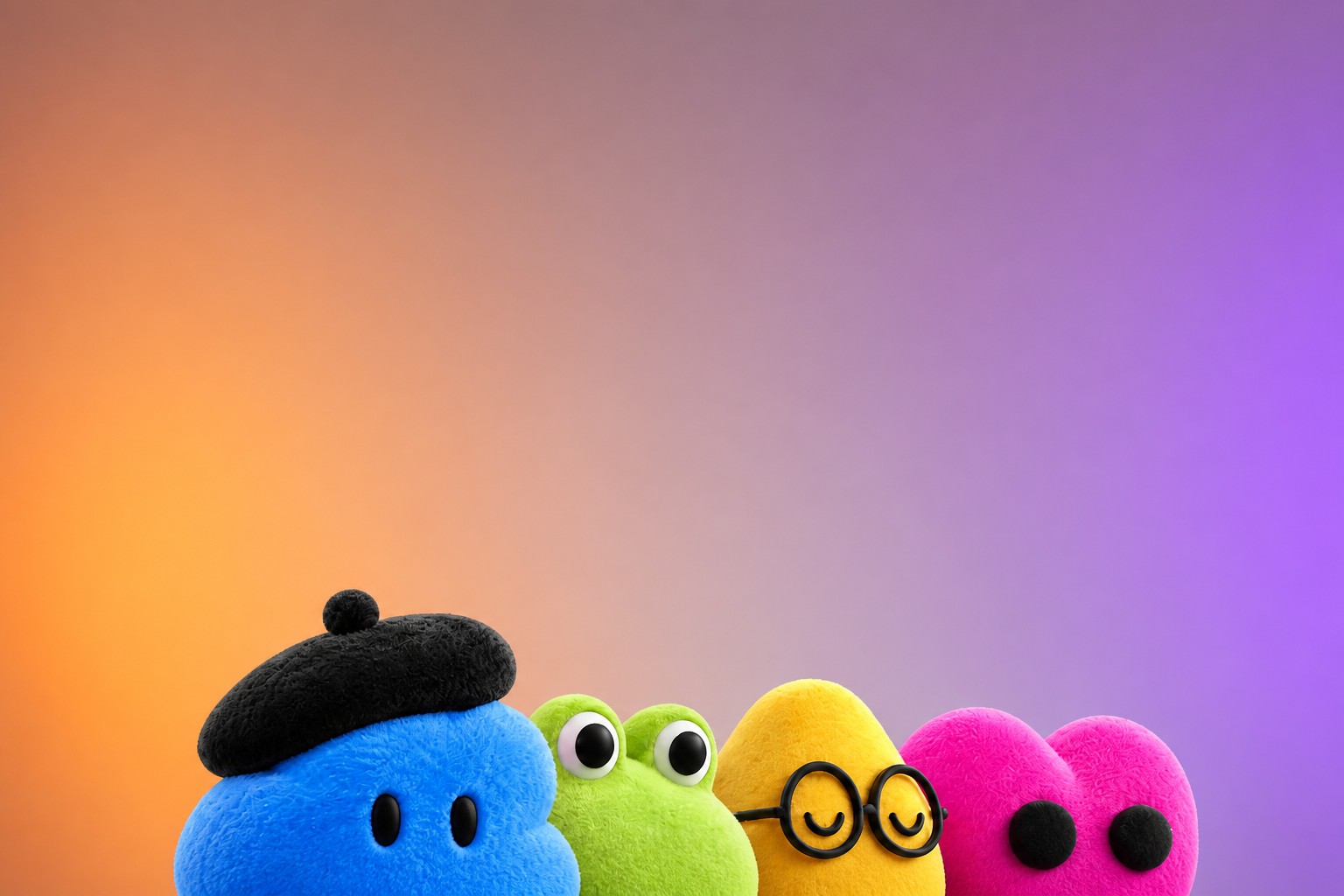
What Dots can do
Unlike a chatbot that waits for a prompt, Dots continuously scan web pages and try to complete assigned tasks. They can also use context from connected apps and adapt to a user’s preferences over time.
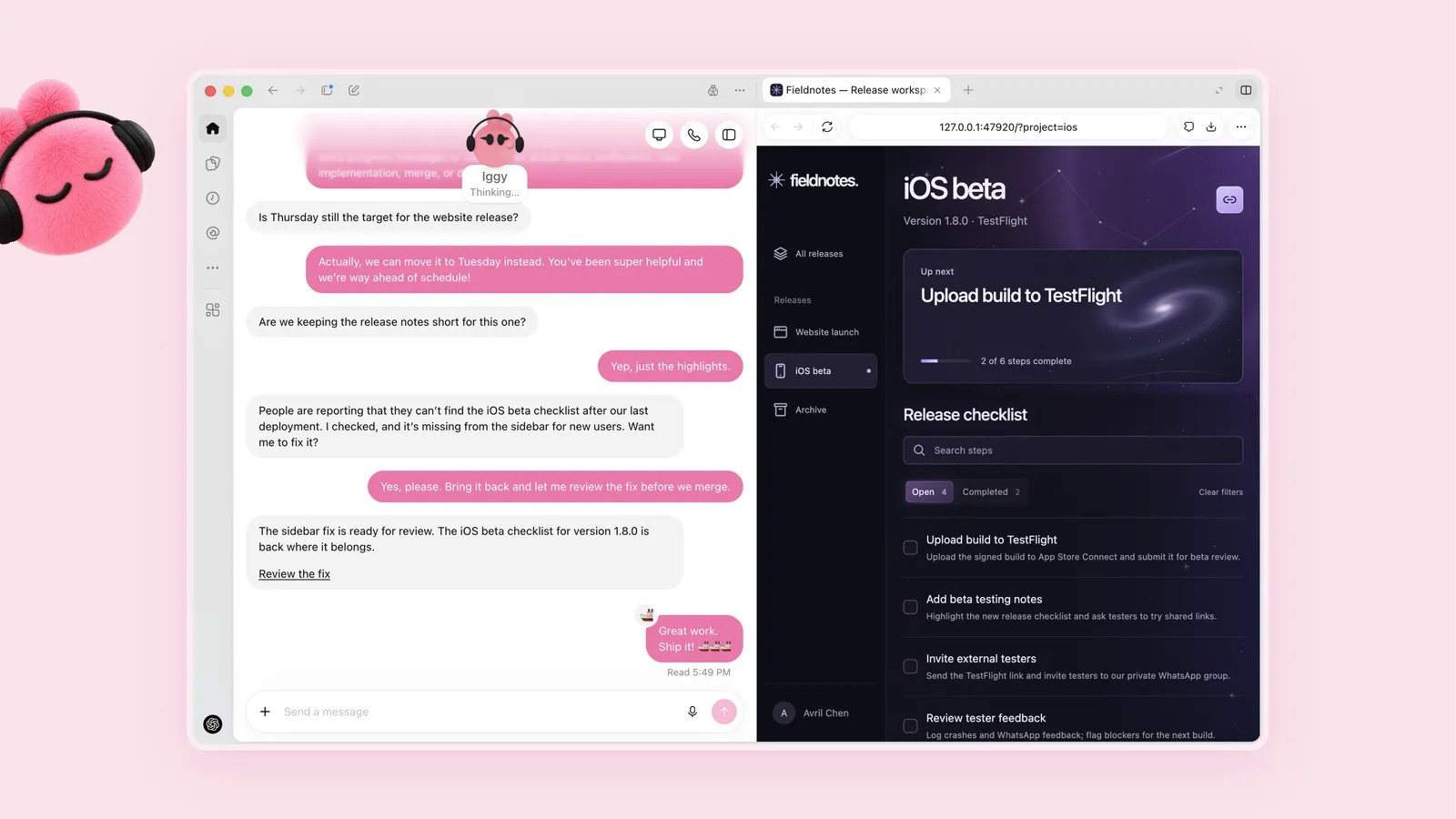
In one example, a Dot noticed that a user’s calendar showed they would be busy during dinner. It suggested two GrubHub delivery options with prices; the user chose a meal and said when to order it. In another, a user worked with an agent to launch a new website.
Source: wired.com
Users can interact with Dots through ChatGPT, Slack and Microsoft Teams, with context preserved as they move between services. Pro subscribers can join a waitlist to message agents through iMessage or RCS on Android.
At first, users will be able to manage one Dot. OpenAI says it expects to allow several agents at once later. The $100-a-month Pro plan is the initial access point, following OpenAI’s pattern of releasing some features to its higher-priced subscribers before expanding availability.
Source: wired.com
Business use, with guardrails
At DevDay, CEO Sam Altman announced specialized Dots for companies, configured for tasks such as accounting, email marketing and legal analysis. The move extends OpenAI’s push to bring its tools into professional workflows.
Dots are supposed to request explicit confirmation before sensitive actions on a user’s behalf, such as installing software or changing a password. Custom Rules lets users specify prohibited actions and tasks that require separate permission.
But permissions do not settle the larger question of trust. Connecting personal data and delegating tasks creates risks: an agent could expose information accidentally or be misled by a malicious actor online. OpenAI recommends caution when using the new program and connecting existing apps. If an account is set to allow OpenAI to use its data to train models, that setting also applies to interactions with agents.
Source: wired.com
The contest is for trust
Personal agents have recently drawn wider attention. Early adopters in Silicon Valley took interest in tools such as OpenClaw at the start of the year. Meta’s recent Muse release brought personal agents to a broader audience and quickly climbed mobile app download rankings. Dots now enters the same fight.
I think the launch’s most consequential detail is not that Dots stay active, but that they carry context across apps. That could make an agent more useful than a chatbot, while also asking users to trust it with more of their lives. OpenAI has added confirmation prompts and user-defined limits; what remains unclear is how well those safeguards hold up when an agent is acting across connected services.
Daily AI news
Every day we pick what actually matters in AI and explain it plainly — no hype, no filler. Subscribe if you want to follow where the industry is going.
Only what matters — every day
Follow on X