
A quiet stage debut
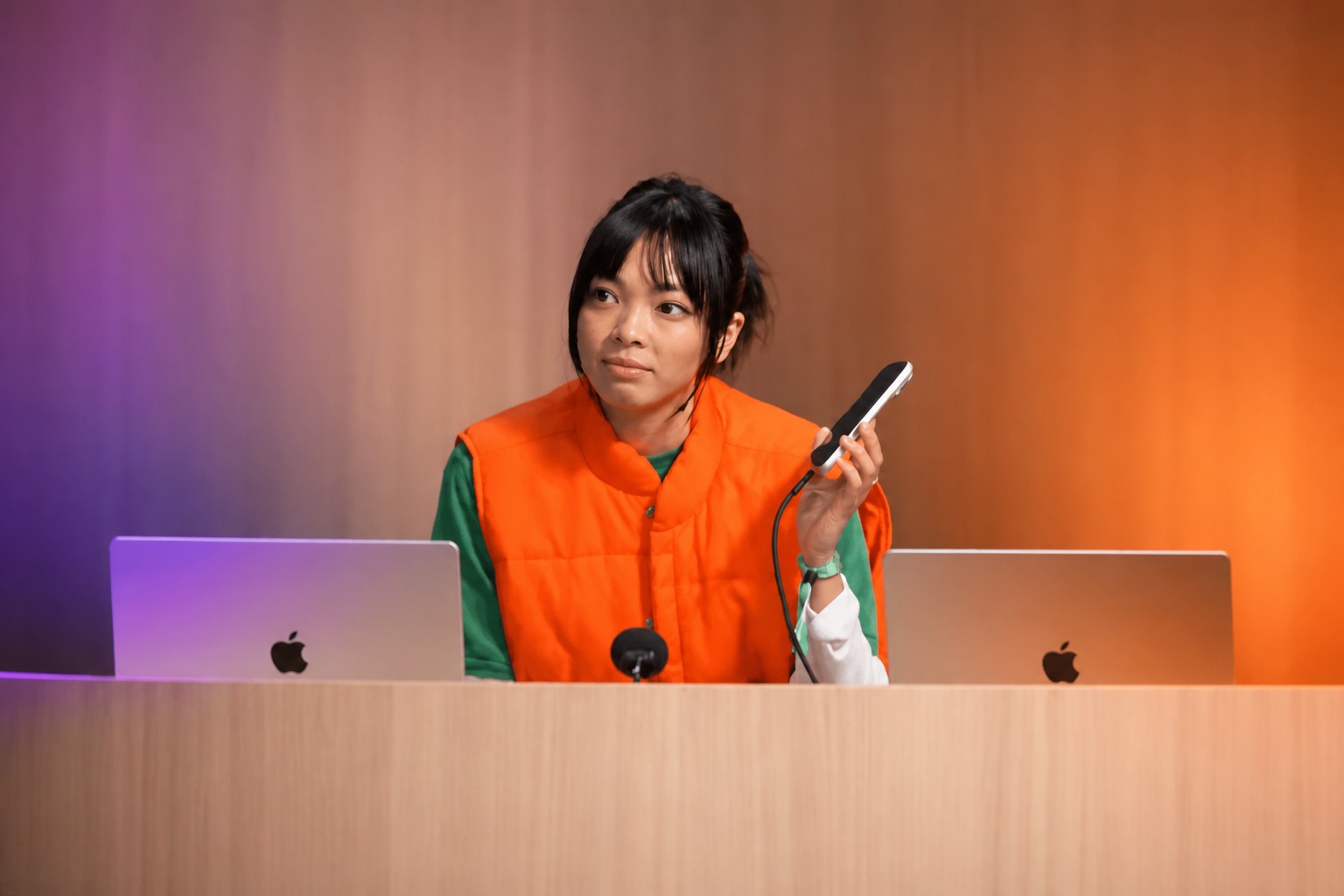
OpenAI unveiled Dots at its annual DevDay conference in San Francisco on Tuesday, presenting the AI agent as a tool meant to handle tasks continuously in the background. But during its first onstage demonstration, Dots took about ten seconds to answer a question about user-test results. The pause turned a product pitch into a test of a more basic promise: whether an always-on assistant can respond when someone needs it.
What Dots is meant to do
Dots runs on the GPT-6 Astra model. OpenAI says that, once it works faster, the agent will be able to take on tasks across professional fields. In a company blog post, it offered two examples:
The live demo was a more modest test. OpenAI product team member Holly Lee called the assistant from her phone, as if calling a secretary. After several rings, the agent—whom Lee called Dotty—answered. Asked what was new in the previous night’s user-testing results, it stayed silent for about ten seconds. Lee then asked how it was doing; Dotty replied that it was still checking the data. Lee joked that Dotty seemed to be having a slow morning.
A paid assistant with a toy-like face
Dots is another attempt by OpenAI to build a personal AI assistant. Its presentation recalls Meta’s heavily promoted Muse agent: Muse is designed as a Labubu-like, bean-shaped toy, while Dots has the look of small, soft figurines.
The audience and price point are different for now. Meta offers Muse for free and promotes it to everyday Instagram and Facebook users. OpenAI has limited Dots access to subscribers paying $100 per month. The company has previously released features to paid subscribers before making them available more widely, so the current restriction may not be permanent.
I think the more revealing comparison is not the mascots but the access model: Meta is pushing Muse toward broad consumer use, while OpenAI is asking users to pay for Dots before its onstage response was convincing. The announcement also leaves a practical question unanswered: how much of the promised background work will happen reliably without a person checking the agent’s output?
For now, Dots is being sold as a capable assistant before its first public test showed it acting like one.
Daily AI news
Every day we pick what actually matters in AI and explain it plainly — no hype, no filler. Subscribe if you want to follow where the industry is going.
Only what matters — every day
Follow on X