What Dots can do
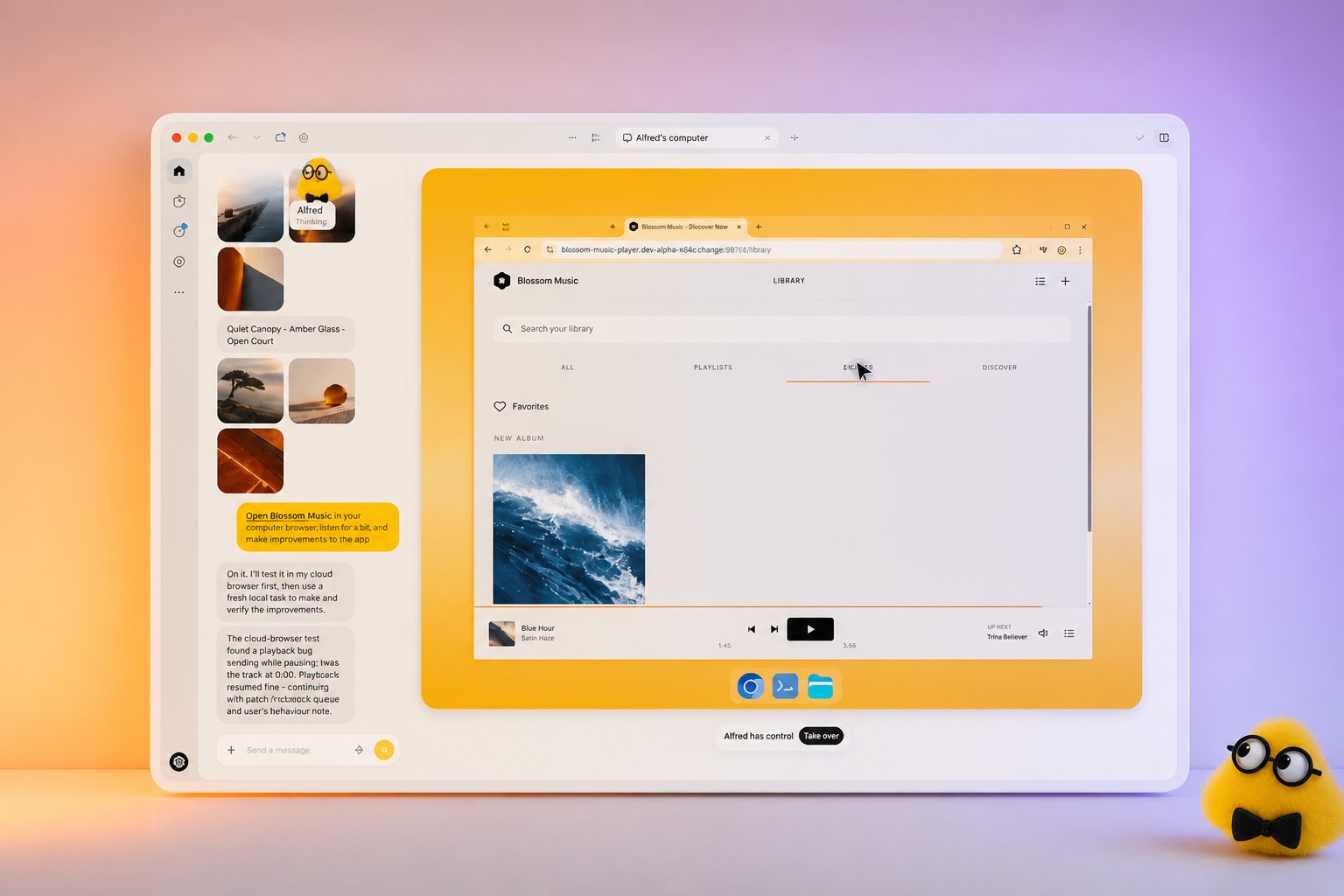
OpenAI describes Dots as agents for work that continues in the background. Its examples include a developer assigning one agent to monitor customer feedback and fix bugs or add requested features, and a scientist asking one to rerun analyses and investigate unexpected results as experimental data arrives.
Users will be able to interact with Dots through Slack, Teams and other enterprise platforms. Text messaging support is planned for later.
OpenAI also sees a role for specialized Dots with defined responsibilities. Each agent can have its own identity and credentials, and connect to tools through existing systems. The company is working with Microsoft on integrating Dots with Agent 365 security controls.
A product wrapper around existing capabilities
Many of these functions were already available through Codex and similar agent-running systems. Dots gathers them into a separate product built around agents working independently.
The cartoon branding is part of that packaging: Dots appear as small floating points, a style that recalls Meta’s recently released Muse agent. Both make agents feel less like an interface for configuring software and more like characters a user can direct.
I think the interesting shift is not the avatar but the move toward named, individually provisioned agents that can operate across workplace tools. The announcement says little about how users will supervise them once several are working at once, or how responsibility is divided when an agent changes code or acts on incoming data. If Dots are to become teams, the product will need to make that control legible—not just make the agents easy to name.
Daily AI news
Every day we pick what actually matters in AI and explain it plainly — no hype, no filler. Subscribe if you want to follow where the industry is going.
Only what matters — every day
Follow on X