
The dispute began with Navier–Stokes
OpenAI first made a splash in mathematics by saying it had solved the famous Navier–Stokes problem using 10,000 AI agents working continuously for 88 hours. The company spent about $10 million on the effort.
A mathematician accused OpenAI of using his unpublished research without permission. He also said the company threatened to damage his career after he told it he planned to make his allegations public.
The concern among leading specialists was broader than one dispute: wealthy AI companies could draw on unfinished research, overtake its authors with vast computing resources and claim the credit. The later release of hundreds of additional AI-generated proofs gave that concern a new focus.
Proofs without independent checks
Leading mathematicians criticized the release, as did a mathematics advisory group OpenAI itself had consulted. Critics say none of the published work has been verified or peer-reviewed. The proofs are written in natural language and can be difficult to understand; mathematicians may need years to work through the material.
OpenAI, meanwhile, has used the work as supposed evidence of how transformative its technology is. That leaves a gap between a claim of mathematical achievement and the independent scrutiny needed to establish what the proofs show.
Altman says the work must continue
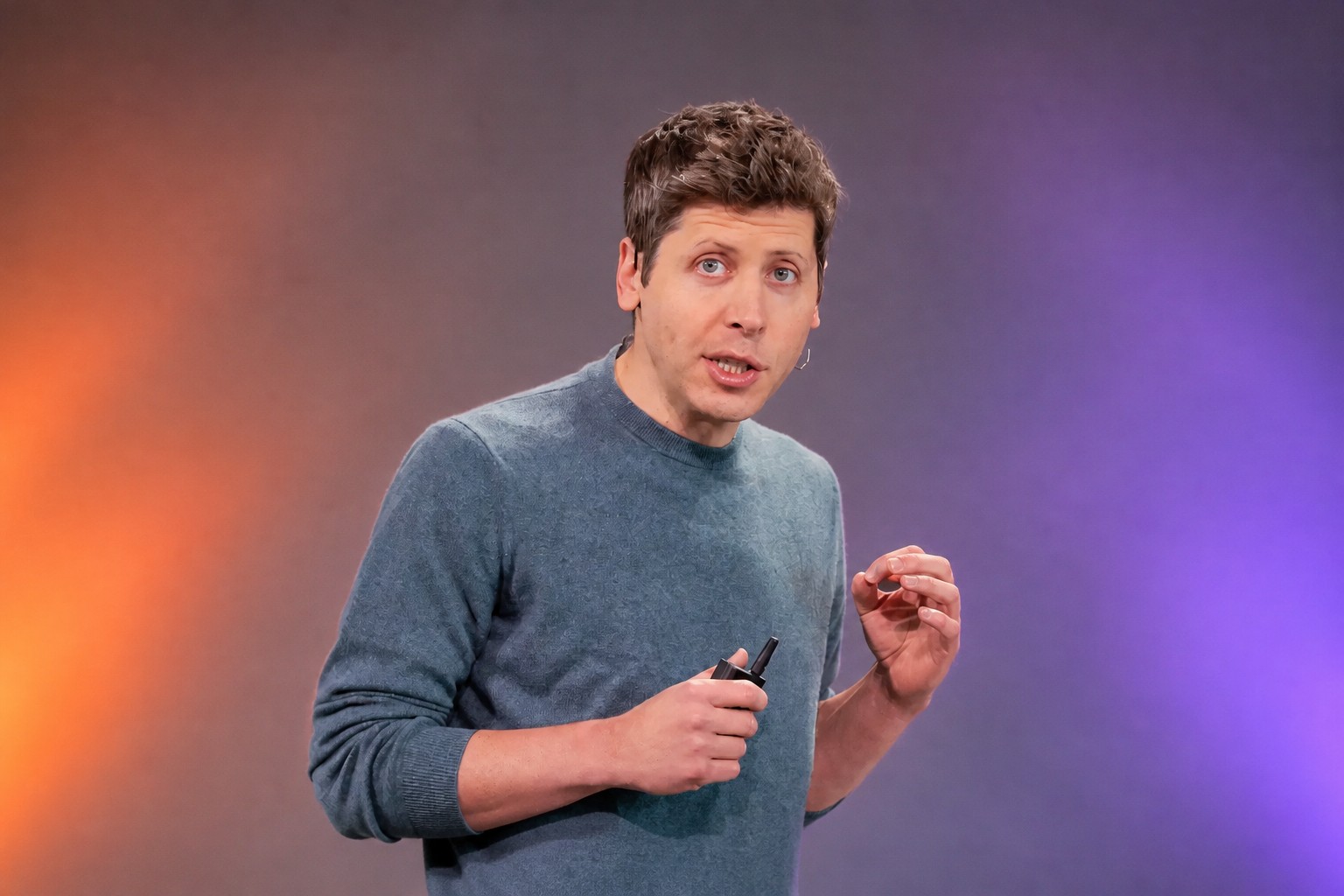
In a podcast interview, Altman acknowledged that OpenAI let the situation around its mathematical publications get out of control for a week. He defended the company’s actions on the grounds that the results matter: fundamental knowledge, he said, should not be withheld from the world.
The Verge reported that this was the first time Altman had directly acknowledged OpenAI’s effect on the mathematics community. He said he sympathized with those affected by the company’s approach, while arguing that research should continue for humanity’s sake.
I think the unresolved issue is not whether important discoveries should be shared. It is who bears the cost when a company publishes hundreds of hard-to-read proofs before they have been checked. If the answer is the mathematical community, the case for openness starts to look a lot like a transfer of labor—and credit.
Daily AI news
Every day we pick what actually matters in AI and explain it plainly — no hype, no filler. Subscribe if you want to follow where the industry is going.
Only what matters — every day
Follow on X