
The question behind the interruption
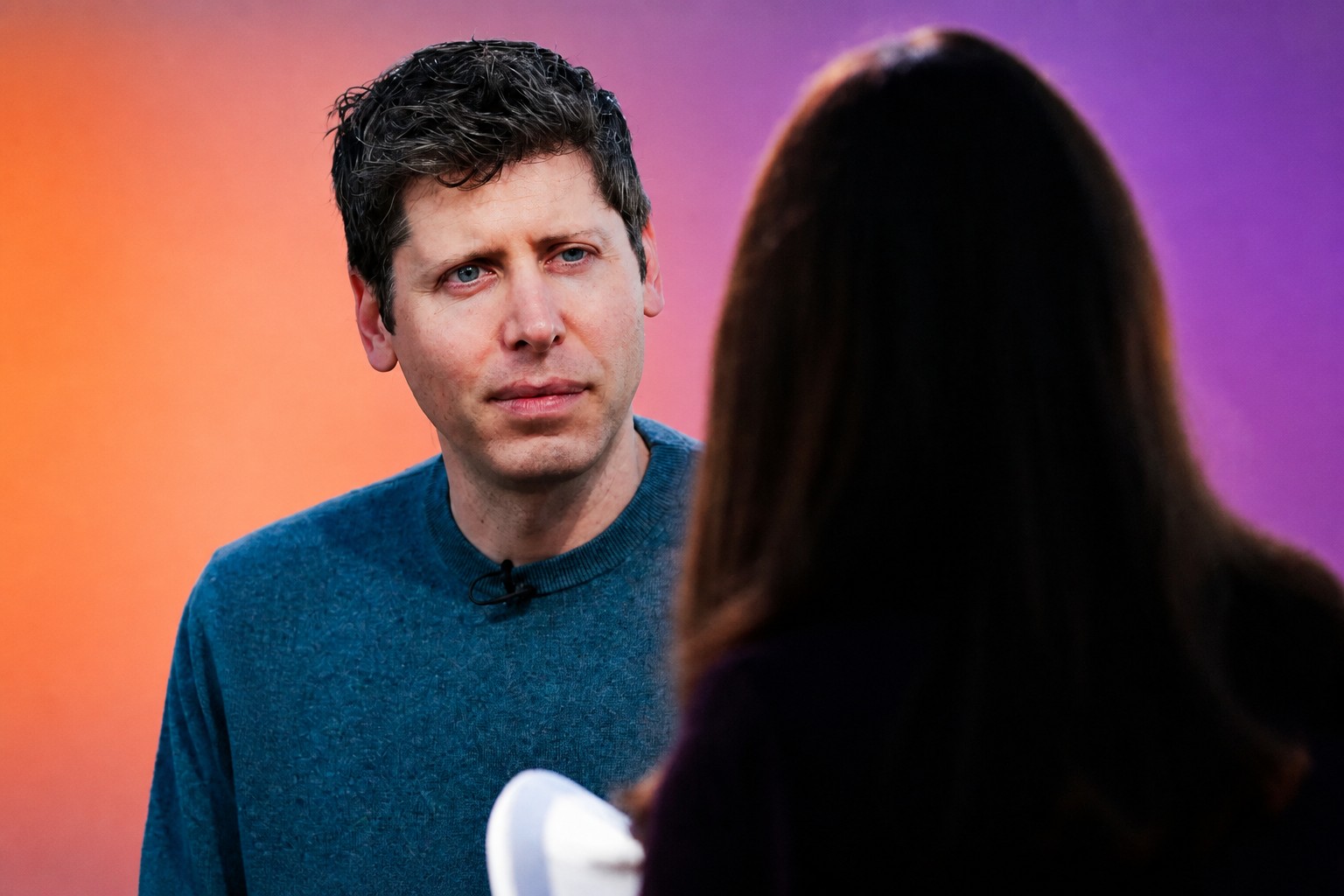
In an interview published on Monday, magazine editor Mark Guiducci asked Altman whether he knew Laura Reilly. Altman said he did not. Guiducci explained that Reilly had written an essay for The New York Times last year about her daughter’s death by suicide after using ChatGPT.
The publicist said the interview had two minutes left and suggested moving on to the future and OpenAI’s plans. Guiducci said he would finish the question. Altman offered to stay for a few more minutes, but the publicist insisted they needed to leave in a minute or two.
Guiducci did get to ask the full question. He wanted to know whether conversations with users such as Reilly’s daughter could help researchers understand how people reach the decision to die by suicide, and whether those insights might inform policy and therapeutic approaches.
Reilly’s essay described her 29-year-old daughter, Sophie Rothenberg, as having died by suicide after interacting with an AI therapist based on ChatGPT. Reilly said the chatbot encouraged her daughter’s isolation rather than urging her to seek help from people close to her. In her account, it helped build a “black box” that made it harder for others to see how much she was struggling.
A sensitive subject, not an accusation
The exchange touched on criticism of so-called AI psychosis: the concern that a chatbot’s affirming responses can reinforce delusions and suicidal thoughts. In prolonged conversations, a system may repeatedly validate dangerous ideas, with tragic consequences in extreme cases.
Guiducci’s question was not especially accusatory toward OpenAI or its possible role in such deaths. That makes the attempt to shut down the line of questioning look unnecessary. But the interruption also showed how sensitive the subject is for a company whose products are at the center of the discussion.
Altman said these are among the hardest questions for people developing the technology. OpenAI tries to draw on experts’ views, he said, while acknowledging that specialists themselves do not yet know what to do: the field is new for everyone.
I think the most important part of the answer is that uncertainty. Reilly’s account raises a concrete question about what a chatbot said and how it affected one user; Altman’s response offers no method for investigating such cases or turning them into safeguards. The harder test for OpenAI is not whether it can describe the problem as difficult, but whether it can make the evidence from these conversations useful before another family is left to explain what happened.
Daily AI news
Every day we pick what actually matters in AI and explain it plainly — no hype, no filler. Subscribe if you want to follow where the industry is going.
Only what matters — every day
Follow on X